


 OpenAI Rejects Apple Trade Secret Theft Claims
  FCC Approves Foreign Investment in $110B Paramount-Warner Bros. Deal
  US Judge Dismisses Imran Ahmed Deportation Lawsuit
  Amazon Shares Fall as FTC Plans Ad Pricing Lawsuit
  Houthis Seize Bab el-Mandeb as Military Power Grows
  UN Allows Mahmoud Abbas Video Address After US Visa Denial
  Honduras Court Drops Charges Against Ex-President Juan Orlando Hernandez
  Prince Harry, Elton John Ordered to Pay £9.54 Million in Daily Mail Legal Costs
  France Urges Faster AI Push Despite Safety Risks
  Trump Threatens EU Tariffs Over Canada Membership Proposal
  Australia Tightens Student Visa Rules, Targets Migration Cut by 2028
  SoftBank Shares Jump 8% as SB Energy IPO Optimism Builds
  UN Chief Raises Concern Over US Sanctions on ICC Officials
  FAA Allows Boeing to Sell 35 More 777F Freighters Beyond 2028
  Bessent Presses Japan on Fiscal Policy as Yen Struggles
  MediaTek Unveils 2nm Dimensity 9600 Pro AI Chip
  Japan, U.S. Discuss $19 Billion GlobalFoundries Chip Plant


 Add as a preferred source on Google
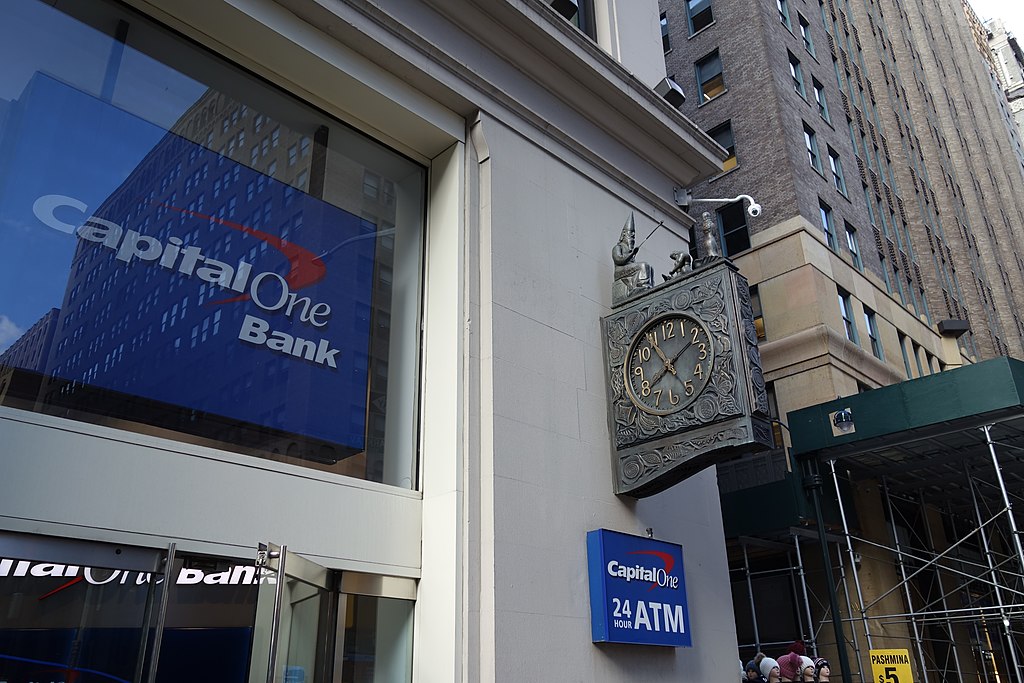
Capital One Financial has defended its decision to close hundreds of bank accounts linked to the Trump Organization, arguing in a court filing that the move followed an extensive anti-money laundering (AML) review rather than political bias.
The filing, submitted Friday, marks the first time a financial institution has formally linked AML concerns to the Trump family business in court, although Capital One emphasized it has never accused the Trump Organization of engaging in illegal money laundering.
According to the bank, the account closures resulted from months of analysis conducted by its anti-money laundering specialists in line with internal policies and federal banking guidance. Capital One stated that the decision was based on transaction patterns identified during the review and not on political or ideological considerations.
The dispute stems from Capital One’s March 2021 decision to notify the Trump Organization that it would close more than 300 affiliated accounts. In March 2025, the Trump Organization and Eric Trump filed a lawsuit in federal court in Florida, alleging the bank engaged in unlawful "debanking" by terminating services because of its political views and in response to the climate following the January 6, 2021, U.S. Capitol riot.
Capital One has asked the court to dismiss the latest version of the complaint, arguing it contains the same deficiencies as two earlier filings that were previously rejected. The bank described the plaintiffs’ allegations as "misguided," claiming they relied on selective quotations that ignored the broader context of the evidence presented.
The case unfolds as the Trump administration continues to scrutinize large U.S. banks over claims that conservative individuals and organizations have faced politically motivated account closures. President Donald Trump signed an executive order in August 2025 prohibiting discriminatory debanking practices and later sued JPMorgan Chase over similar allegations.
The legal battle also revives attention to Trump's past disputes with major lenders. In 2019, during his first term, Trump sued Capital One and Deutsche Bank to block the release of his financial records to Congress. Reports at the time claimed Deutsche Bank's AML specialists had flagged certain transactions, although the bank denied those allegations.







