


 Neuralink Plans High-Volume Brain Implant Production and Fully Automated Surgery by 2026
  First Western Ship Transits Strait of Hormuz Since Iran War Began
  NASA Partners with Katalyst to Save Swift Observatory with Innovative Docking Mission
  Asian Currencies Hold Steady as Trump's Iran Deadline Rattles Markets
  Private Credit Under Pressure: Is a Slow-Motion Crisis Unfolding?
  Trump Administration Plans 100% Tariffs on Pharmaceutical Imports
  Global LNG Exports Drop 4% in Q1 2026 as Qatar Shutdown Reshapes Energy Markets
  RBC Capital: European Medtech Firms Show Minimal Middle East and Energy Risk Exposure
  Elon Musk Ties SpaceX IPO Access to Mandatory Grok AI Subscriptions
  Is space worth the cost? Accounting experts say its value can’t be found in spreadsheets
  U.S.-China Trade Talks: Trump and Xi Set for Summit Amid Rare Earths Focus
  UPS and Teamsters Reach Agreement to Limit Driver Severance Program
  Apple's Foldable iPhone Faces Engineering Setbacks, Mass Production Timeline at Risk
  U.S.-Iran Ceasefire: Fragile Truce Raises Hopes for Strait of Hormuz Peace Deal


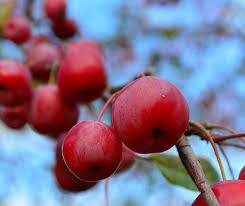
South Korea's Apple Use Research Institute has developed a reddish natural pigment extraction and recycling method using wasted apple peel and crab apples.
Apple peel contains the reddish natural pigments called anthocyanins.
Meanwhile, crab apples are pollinizers that help the cultivation species bear fruits. It is planted with the cultivation species in a ratio of 1:9.
Most crab apples are disposed of due to their sour and astringent taste.
According to the study, red, black apples, and Arnold species with reddish skin and flesh are the most suitable for creating natural pigments for natural pigments for processed foods with low acidity and supplementary health foods and medicines.
They also can be used as a raw material for color glow cosmetics such as blushers and lipsticks
The institute operates under the umbrella of the Gyeongsangnam-do Agricultural Research and Extension Services.







