


 Asian Currencies Mixed as Dollar Holds Near Two-Month High
  US 10-Year Treasury Yield at 6% Emerges as New Market Risk Threshold
  Gold Holds Near $4,275 as Rising Treasury Yields Fuel Fed Rate Hike Bets
  U.S. Dollar Hits Two-Month High as Oil, Treasury Yields Surge
  Russian Envoy Dmitriev Heads to US for Ukraine Talks
  Asian Stocks Fall as Bond Yields Surge Ahead of Trump-Xi Summit
  Asian Stocks Fall as Surging Bond Yields Rattle Markets
  Fed Unveils Stablecoin Rules Under GENIUS Act
  China’s ‘Lipstick King’ Says AI Won’t Replace Livestream Hosts
  Japanese Bank Stocks Surge as Bond Yields Fuel Rate Hike Bets
  Mexico-US Trade Talks Delayed to October as Tariff Negotiations Continue
  Trump, Xi Focus on Trade and AI at White House Summit
  Oil Prices Surge as U.S.-Iran Diplomacy Hopes Fade
  Dollar Holds Near Two-Month High as Yen Approaches 160
  Soybean Futures Slip as Traders Await Trump-Xi Trade Signals
  RBI Uses $10 Billion Currency Swaps to Drain Excess Rupee Liquidity


 Add as a preferred source on Google
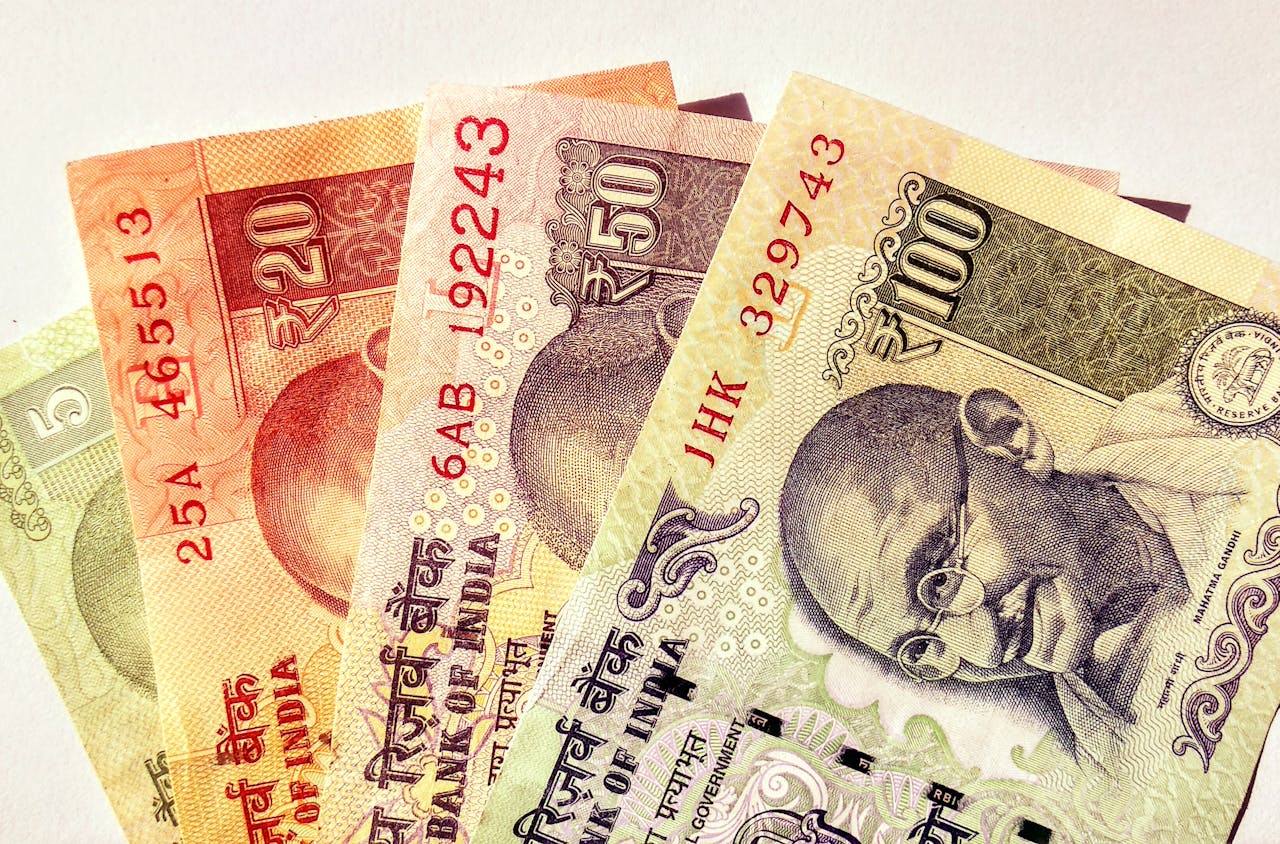
The Indian rupee strengthened sharply during morning trade on Tuesday after New Delhi and Washington announced a long-awaited U.S.-India trade deal, sparking optimism across currency and financial markets. The development provided a significant boost to the Indian currency, which has faced sustained pressure over the past year due to global economic uncertainty and steep U.S. tariffs on Indian exports.
In early trading, the USD/INR pair, which measures how many rupees are required to buy one U.S. dollar, fell by as much as 1.5% to 90.128. This marked the rupee’s strongest level since mid-January and extended a pullback from its late-January peak, when the pair surged past a record high of 92.2. The sharp move reflects renewed investor confidence following the announcement of reduced U.S. tariffs on Indian goods.
According to officials, the trade agreement will see the United States slash tariffs on Indian exports to 18% from a previously elevated 50%. In return, India has agreed to lower select trade barriers and end its purchases of Russian oil. While the agreement’s broader framework and implementation timeline remain unclear, markets reacted positively to the headline news, viewing it as a step toward stabilizing trade relations between the two countries.
U.S. President Donald Trump confirmed the deal via a post on Truth.Social, while Indian Prime Minister Narendra Modi also acknowledged the agreement publicly. Although neither leader disclosed detailed terms, the announcement alone was enough to lift sentiment around the Indian economy and the rupee.
The U.S. is one of India’s largest export destinations, making tariff reductions a meaningful positive for trade flows, corporate earnings, and overall economic growth. In recent months, high U.S. tariffs were widely seen as a drag on India’s export-driven sectors and a key factor behind rupee weakness.
Going forward, analysts expect the Indian rupee to remain sensitive to further updates on the trade deal, capital inflows, and global dollar trends. If the agreement is implemented smoothly, it could provide longer-term support to the rupee and improve the outlook for the Indian economy amid a challenging global environment.







