


 Trump, Xi Focus on Trade and AI at White House Summit
  Saudi Arabia, Turkey and Pakistan Plan Urgent Defence Talks Over Houthi Attacks
  Kremlin Says No Decision Yet on Putin-Trump December Summit
  Trump, Xi Visit US National Archives After White House Summit
  NATO Boosts Intelligence Sharing Amid Russia Hybrid Threats
  Yemen Violence Displaces 130,000 as Civilian Toll Rises
  South Korea, US Discuss Warship Building Cooperation
  Ghana Says Western Support Growing for Slave Trade Reparations
  Pezeshkian Says US Must Choose When Iran War Ends
  Judge Orders Trump to Restore White House Access for CNN, MS NOW and Politico
  Sudan Rejects US Legitimacy Remarks, Defends Sovereignty
  US Backs Musk in Fight Against EU’s €120 Million X Fine
  Netanyahu’s Brief US Trip Highlights Strains With Trump
  Ukrainian Drone Attacks Hit Russian Regions, Injuring at Least 12
  US Senate Rejects Iran War Powers Resolution in 50-49 Vote
  Taiwan Thanks US for Support Ahead of Trump-Xi Summit
  Russian Missile and Drone Attack on Kyiv Kills Two, Damages Maternity Hospital


 Add as a preferred source on Google
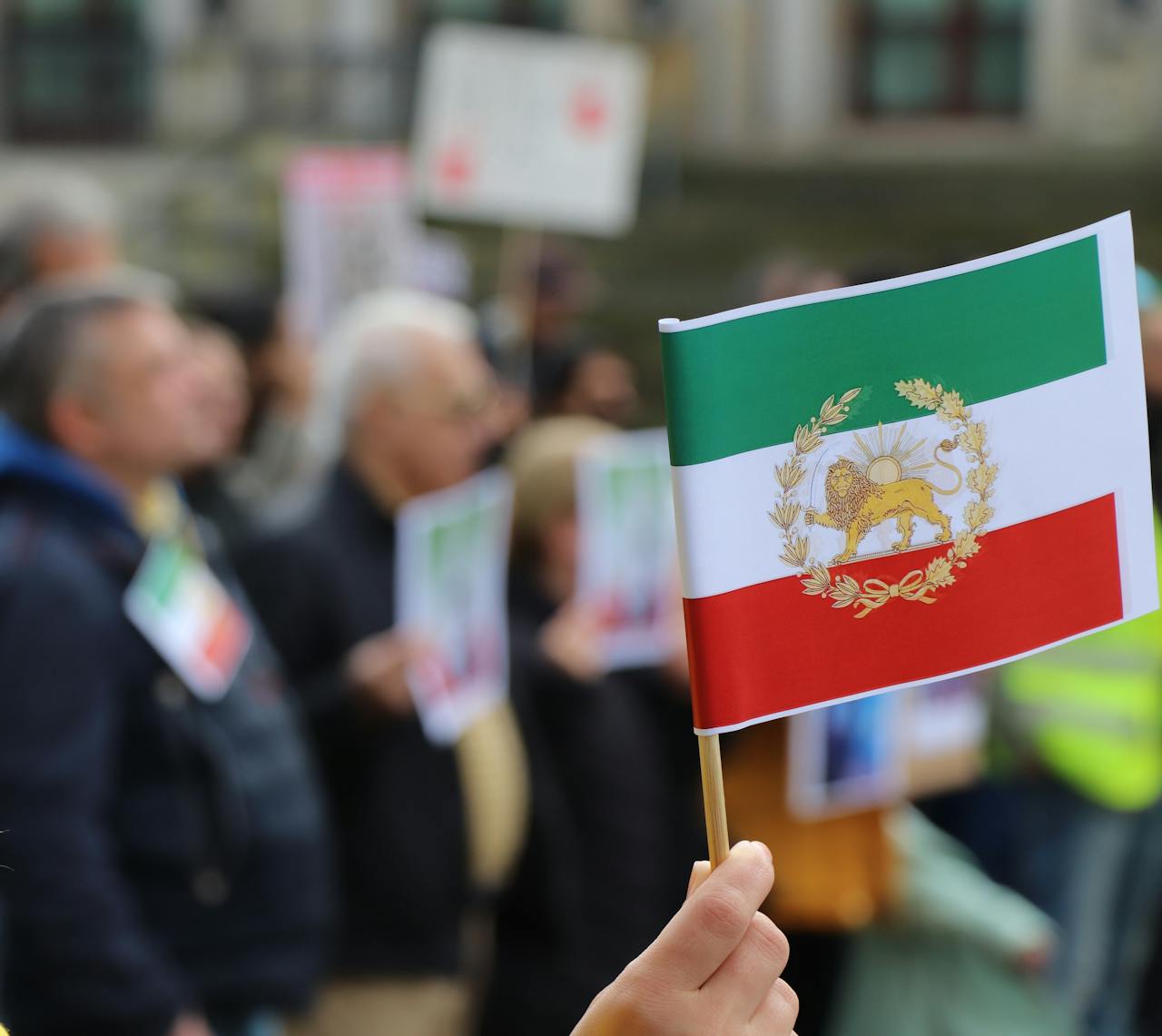
U.S. President Donald Trump said on Monday that diplomatic talks between the United States and Iran are ongoing, even as military tensions between the two countries remain elevated. Speaking to reporters at the White House, Trump indicated that the U.S. is pursuing a dual-track approach that combines military preparedness with diplomatic engagement, underscoring the uncertainty surrounding the situation in the Middle East.
According to Trump, U.S. naval forces are currently moving toward the region as a show of strength. “We have ships heading to Iran right now, big ones,” he said, emphasizing that the United States is prepared to defend its interests and allies if necessary. At the same time, Trump stressed that dialogue has not been abandoned, adding that talks with Iran are still taking place. “We’ll see how it works out,” he remarked, leaving the outcome open-ended.
The comments come amid heightened U.S.–Iran tensions driven by long-standing disputes over Iran’s nuclear program, regional influence, and sanctions imposed by Washington. The U.S. has repeatedly accused Iran of destabilizing the Middle East, while Iran has criticized American military presence and economic pressure. Trump’s remarks suggest that the administration is attempting to balance deterrence with diplomacy in order to prevent a broader conflict.
Analysts note that Trump’s strategy reflects a familiar pattern in U.S. foreign policy toward Iran, where strong rhetoric and military signals are paired with behind-the-scenes negotiations. The presence of U.S. warships is intended to send a clear message, but the continuation of talks indicates that Washington may still be open to a negotiated solution if conditions allow.
For global markets and regional governments, developments in U.S.–Iran relations are closely watched, as any escalation could have significant economic and security implications. Trump’s statement reinforces the idea that while tensions are high, diplomatic channels remain open, at least for now. As the situation evolves, the world will be watching to see whether talks lead to de-escalation or if military pressure takes center stage in the U.S.–Iran standoff.







