


 Mexico-US Trade Talks Delayed to October as Tariff Negotiations Continue
  US Stock Futures Fall as Treasury Yields Surge Ahead of Trump-Xi Summit
  Japan Private-Sector Growth Slows as Domestic Demand Weakens
  Japanese Bank Stocks Surge as Bond Yields Fuel Rate Hike Bets
  Fed Unveils Stablecoin Rules Under GENIUS Act
  US 10-Year Treasury Yield at 6% Emerges as New Market Risk Threshold
  Australia Unemployment Hits Five-Year High Despite Strong Jobs Growth
  Asian Stocks Fall as Bond Yields Surge Ahead of Trump-Xi Summit
  South Korea, US Discuss Warship Building Cooperation
  U.S. 10-Year Treasury Yield Hits 2007 High as Fed Rate Hike Bets Rise
  European Stocks Fall as Bond Yields and Geopolitical Risks Weigh
  Asian Currencies Mixed as Dollar Holds Near Two-Month High
  Oil Prices Jump 3% as Houthi Attack Revives Supply Fears
  Wall Street Ends Flat as Oil, Treasury Yields and Fed Jitters Rattle Markets
  Trump, Xi Focus on Trade and AI at White House Summit
  Wall Street Falls as Treasury Yields Surge, Oil Rebounds on Iran Tensions


 Add as a preferred source on Google
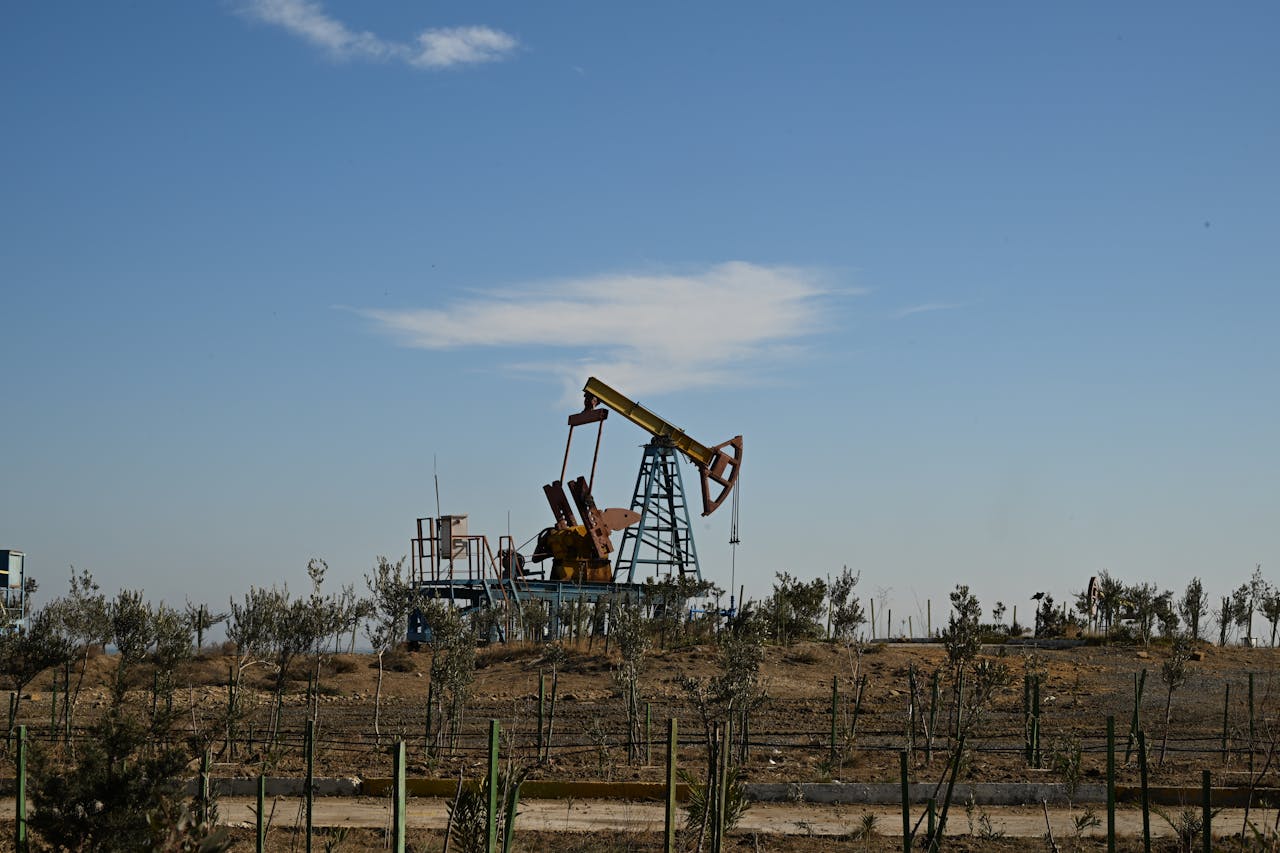
Oil prices edged slightly higher on Tuesday as investors balanced easing geopolitical tensions between the United States and Iran against pressure from a stronger U.S. dollar. The cautious tone in global energy markets followed sharp losses a day earlier, when signals of renewed diplomacy reduced fears of supply disruptions in the Middle East.
Brent crude futures rose modestly by 6 cents, or 0.1%, to trade around $66.36 per barrel in early Asian hours, while U.S. West Texas Intermediate (WTI) crude gained about 0.2% to $62.24 per barrel. Despite the small uptick, crude prices remained under pressure after falling more than 4% on Monday.
The earlier decline came after U.S. President Donald Trump said Iran was “seriously talking” with Washington, suggesting a possible de-escalation in long-running tensions with the OPEC member. According to Reuters, officials from both countries confirmed that Iran and the U.S. are expected to resume nuclear talks in Turkey later this week. While Trump warned that failure to reach an agreement could have serious consequences, the prospect of dialogue eased immediate concerns about supply risks, weighing on oil prices.
Adding further pressure, the U.S. dollar index hovered near a more-than-one-week high. A firmer dollar typically makes dollar-denominated commodities such as crude oil more expensive for buyers using other currencies, dampening global demand.
On the trade front, markets also reacted to news of a new U.S.-India agreement. Trump announced that Washington would cut tariffs on Indian goods to 18% from 50% in exchange for India halting purchases of Russian oil and reducing trade barriers. India has already begun slowing its imports from Russia, with volumes expected to fall from around 1.2 million barrels per day in January to roughly 800,000 bpd by March. Under the deal, India is expected to increase oil purchases from the U.S. and potentially Venezuela.
Meanwhile, OPEC+ confirmed it would keep oil output unchanged for March. However, the group previously agreed to raise production quotas by about 2.9 million bpd between April and December 2025, a move equivalent to roughly 3% of global oil demand. This planned supply increase continues to shape longer-term oil price expectations.







