


 NASA and SpaceX Target Crew-11 Undocking From ISS Amid Medical Concern
  Trump Administration Releases New UFO Files and Apollo Mission Records
  Is space worth the cost? Accounting experts say its value can’t be found in spreadsheets
  FDA Adds Fatal Risk Warning to J&J and Legend Biotech’s Carvykti Cancer Therapy
  China vs. NASA: The New Moon Race and What's at Stake by 2030
  SpaceX Pivots Toward Moon City as Musk Reframes Long-Term Space Vision
  Neuralink Plans High-Volume Brain Implant Production and Fully Automated Surgery by 2026
  Trump Administration to Launch Autism Initiatives Targeting Acetaminophen Use and New Treatment Options
  SpaceX Prioritizes Moon Mission Before Mars as Starship Development Accelerates
  Eli Lilly’s Inluriyo Gains FDA Approval for Advanced Breast Cancer Treatment


 Add as a preferred source on Google
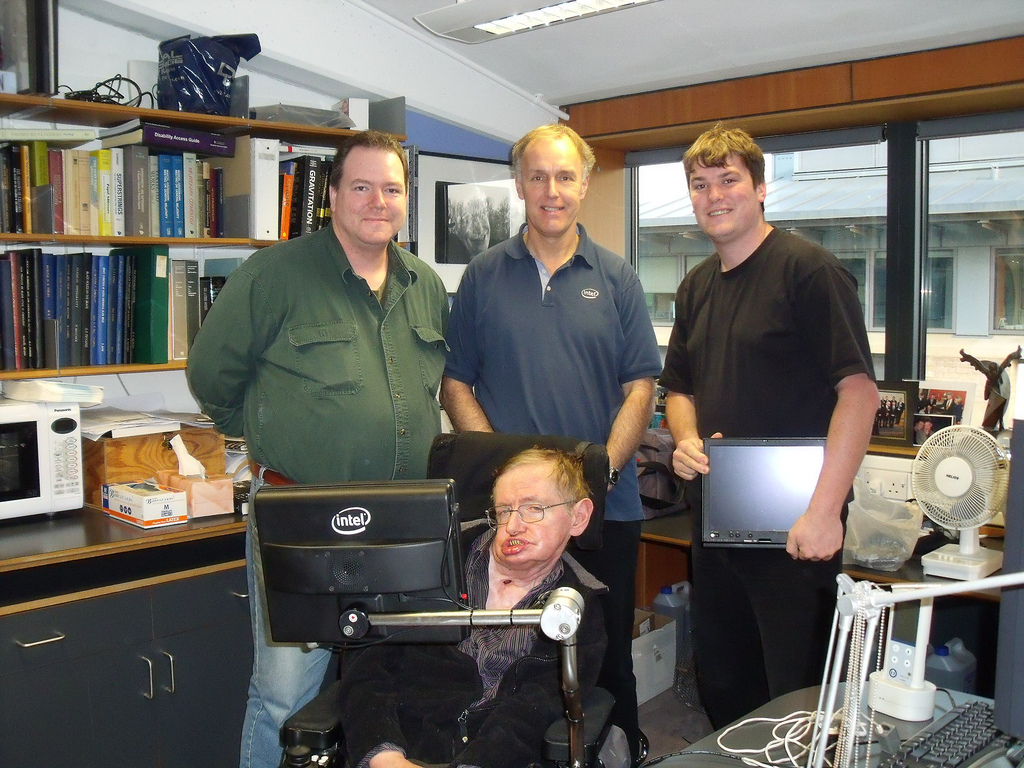
Some experts in the scientific community have expressed their belief that humanity is facing extinction, but no one could say exactly when this would happen, until now. Renowned physicist Stephen Hawking just revealed that he expects mankind will be wiped from the face of the planet in a thousand years. According to him, the only way to avoid this is to relocate to another habitable planet, the most readily available of which is several light-years away.
Hawking made his declaration during a speech at the Oxford University Union last Tuesday, where he was supposed to be talking about how humans understand the universe from its beginnings, The International Business Times reports.
“We must also continue to go into space for the future of humanity,” he said during the speech. “I don’t think we will survive another 1000 without escaping beyond our fragile planet.”
This pronouncement follows similar sentiments that he expressed early in the year, where he warned that mankind’s careless use of technology and its runaway advancements will eventually lead to ruin. He notes how the number of threats that humanity faces increases year over year. It may not seem much when seen up-close, but when taking the broader picture into account, the number of threats do pile up.
Known as a stark pragmatist and realist, Hawking has never held back when it comes to telling humanity exactly how things are, Seeker notes. The physicist changed how the scientific community viewed things like black holes and the fundamental laws of the universe. So, it’s a pretty safe bet that he takes a lot of things into consideration that most other people don’t.
One of these things is the need for an equally habitable planet out in space that roughly has the same conditions as Earth. Among the best prospects for discovering Earth-like planets is Proxima Centauri. The only problem is that it is 4.2 light-years away and there is no way to reach it in sight.







