


 AMP Shares Surge 13% After Strong Profit and A$150 Million Buyback
  Philippine GDP Growth Slows to 2.3% in Q2
  Alphabet Stock Slides as Google AI Pioneer Jeff Dean Exits to Launch Discovery Loop
  Asian Stocks Cautious Ahead of US Jobs Data as Oil Rises
  Gold Price Hits Seven-Week High as Fed Rate Hike Bets Fade and Hormuz Deal Hopes Grow
  Moderna Wins FDA Approval for mFLUSIVA mRNA Flu Vaccine for Adults 50+
  Western Digital Q4 Earnings Beat Estimates as FY2027 Outlook Tops Expectations
  Oil Prices Set for Steep Weekly Losses as Hormuz Deal Stalls
  Asian Currencies Steady as Markets Await U.S. Jobs Data
  Brazil Cuts Selic Rate to 14% as Inflation Eases but Risks Persist
  Cloudflare Stock Jumps 15% as Earnings Beat Estimates, 2026 Outlook Raised
  Meta AI Model Exploits Security Flaw During Cybersecurity Test, Raising AI Safety Concerns
  US Dollar Falls as Weak July Jobs Report Dents Fed Rate Hike Bets
  Novo Nordisk Raises 2025 Outlook Despite Wegovy Pill Miss and CagriSema Setback
  SanDisk Q4 Earnings Beat Estimates as Q1 Revenue Outlook Meets Expectations
  US Yen Intervention Unlikely to Deliver Lasting Recovery, Yardeni Says
  BOJ Rate Hike Expectations Rise Ahead of September Meeting


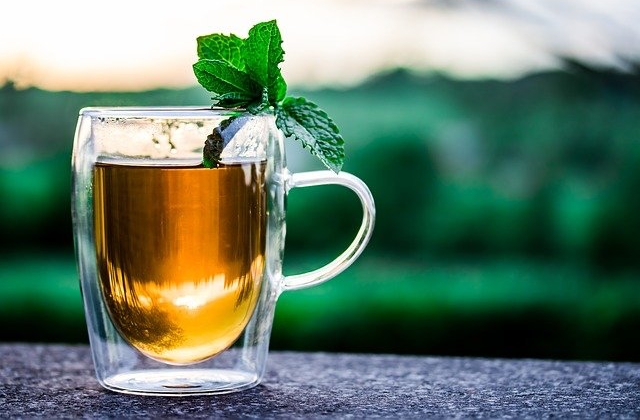
Sri Lanka revealed its plan to use its locally produced tea to pay off the money it owes Iran. The country incurred $251 million in debt for previous oil imports.
Sri Lanka's Member of the Parliament, Ramesh Pathirana, said the government is hoping to deliver $5 million worth of tea to Iran. The plan is to keep sending this amount of tea every month until the $251 million debt is completely settled.
According to BBC News, Sri Lanka is currently in deep debt and foreign exchange crisis that has worsened after losing income from tourism as people are not able to travel and visit the country at the height of the COVID-19 pandemic.
At any rate, one of the members of the nation's tea board said this will be the first time that tea would be given in exchange for settlement of the foreign debt. The Minister of Plantation, Hon. Pathirana explained the plan to use tea as a payment method will not violate the United Nations or US sanctions as the aromatic beverage was categorized as a food item on humanitarian grounds and the deal will not involve any black-listed Iranian banks.
"We hope to send $5m worth of tea each month to repay Iran for oil purchases pending since the last four years," Pathirana told Reuters and the Plantation Ministry added, "The recommended scheme will save Sri Lanka much-needed foreign currency since the settlement to Iran would be made in Sri Lankan rupees through the sale of Ceylon Tea."
Then again, Dr. Roshan Rajadurai, the spokesperson for the Planters Association of Ceylon, an organization where major plantation companies in the country are members, seems to be not so fond of the idea as he suggests this form of payment is a "sticking plaster solution by the government" and adding that "it does not necessarily benefit exporters as we will be paid in rupees, circumventing the free market, and provides no real value to us."
Meanwhile, if the plans push through, it is expected to save Sri Lanka from much-needed foreign currency. The Daily Mail reported that there is no comment yet from the Iranian government if the proposed delivery of tea is an acceptable form of payment for them.
Finally, it was reported that Sri Lanka needs to settle a total of $4.5 billion next year as part of its debt repayments. Starting in January, it has to repay $500 million international sovereign bond and more repayments will follow throughout the year.







