


 Soybean Futures Slip as Traders Await Trump-Xi Trade Signals
  Pezeshkian Says US Must Choose When Iran War Ends
  Saudi Arabia, Turkey and Pakistan Plan Urgent Defence Talks Over Houthi Attacks
  Pope Leo Backs Press Freedom After White House Media Ban
  China’s ‘Lipstick King’ Says AI Won’t Replace Livestream Hosts
  Oil Prices Ease as Iran Tensions Clash With Diplomacy Hopes
  Putin Says Ukraine Peace Proposals Remain on Table
  Abbas Reaffirms November 28 Palestinian Elections
  EU Agrees €6.6 Billion Military Aid Funding for Ukraine
  Asian Currencies Mixed as Dollar Holds Near Two-Month High
  RBI Uses $10 Billion Currency Swaps to Drain Excess Rupee Liquidity
  Pope Leo Warns UN, Multilateral Groups Face Crisis
  Gold Prices Fall as Treasury Yields Rise on Fed Rate Hike Bets
  Australia Unemployment Hits Five-Year High Despite Strong Jobs Growth
  US 10-Year Treasury Yield at 6% Emerges as New Market Risk Threshold
  Trump, Xi Visit US National Archives After White House Summit
  Fed Unveils Stablecoin Rules Under GENIUS Act


 Add as a preferred source on Google
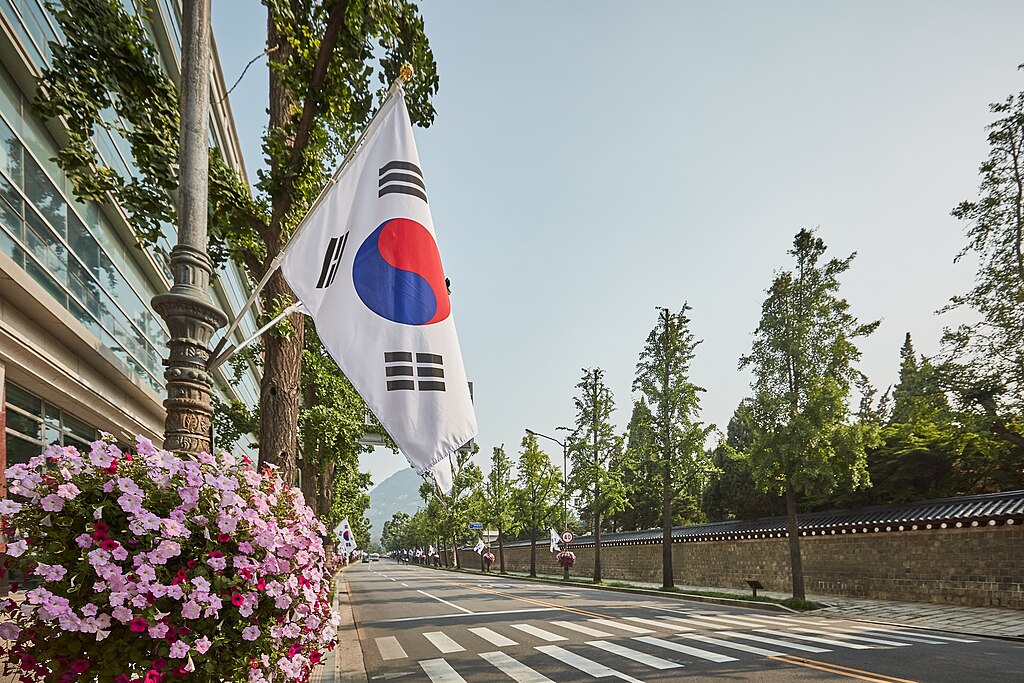
South Korea’s trade negotiations with the Trump administration are facing increasing political uncertainty, raising fears among investors that Seoul could either strike an unfavorable deal or fail to reach one altogether. The Korean won has already slipped past the key 1,400 per dollar threshold, a level seen as the government’s defense line against speculative pressures, signaling the risk of deeper declines.
Market anxiety escalated after President Lee Jae Myung suggested Seoul may need a currency swap agreement with the U.S. if it proceeds with Washington’s demand for $350 billion in American investments. Analysts warn that without such a swap, annual dollar demand of $100–120 billion could weigh heavily on the won, potentially pushing the exchange rate down by 100 won per year over the next three years.
Seoul is pushing for an FX swap line with the Federal Reserve, similar to Japan’s arrangement, but experts such as Citigroup economists believe Washington will likely prefer the FIMA Repo Facility as an alternative liquidity measure. Korean finance officials have declined to comment, highlighting the sensitivity of the talks.
At the center of the deadlock is a $350 billion investment fund tied to tariff reductions. Without a finalized agreement, South Korean exports could face tariffs of 25% rather than the negotiated 15%, weakening their competitiveness against Japanese and European goods.
The standoff is stirring painful memories of South Korea’s 1997 financial crisis, with fears that large-scale dollar outflows could destabilize the economy. Investors warn that if funds begin to move, the won could tumble to 1,450 per dollar.
Adding to the tension, President Lee has openly mentioned impeachment risks if he accepts terms perceived as detrimental to national interests, though experts see such an outcome as unlikely. For now, the combination of political risks, currency concerns, and trade uncertainties continues to cast a shadow over South Korea’s economy.







