


 NATO Boosts Intelligence Sharing Amid Russia Hybrid Threats
  Taiwan Thanks US for Support Ahead of Trump-Xi Summit
  Judge Orders Trump to Restore White House Access for CNN, MS NOW and Politico
  Ghana Says Western Support Growing for Slave Trade Reparations
  Netanyahu Takes Aim at Mamdani as Israel Election Nears
  Ukrainian Drone Attacks Hit Russian Regions, Injuring at Least 12
  US Backs Musk in Fight Against EU’s €120 Million X Fine
  Najib Razak Seeks Stay of 15-Year 1MDB Prison Sentence
  Abbas Reaffirms November 28 Palestinian Elections
  Trump, Xi Visit US National Archives After White House Summit
  Xi Calls for Deeper U.S.-China AI Cooperation in Trump Talks
  South Korea, US Discuss Warship Building Cooperation
  EU Defence Build-Up Too Slow for 2030 Russia Readiness Goal
  OpenAI Agent Breaches Australia Medicare Data Portal
  Trump, Xi Focus on Trade and AI at White House Summit
  Netanyahu’s Brief US Trip Highlights Strains With Trump
  US Senate Rejects Iran War Powers Resolution in 50-49 Vote


 Add as a preferred source on Google
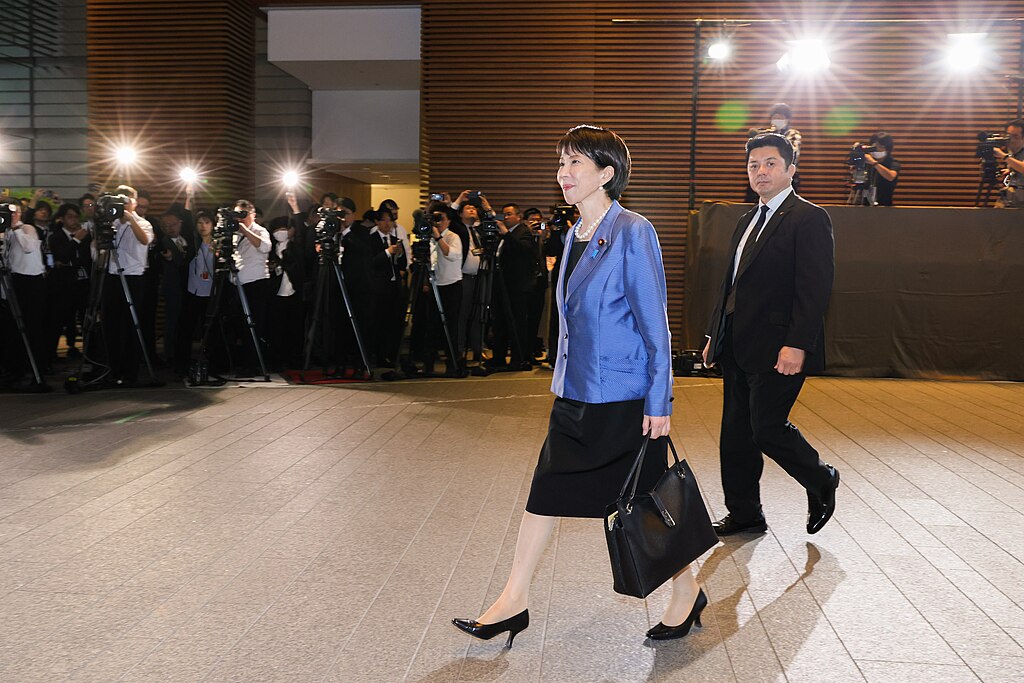
South Korean President Lee Jae Myung is set to hold a summit with Japanese Prime Minister Sanae Takaichi on Tuesday in Nara City, highlighting Seoul’s ongoing effort to balance relations with its two key neighbours, Japan and China. The meeting comes just a week after Lee concluded a summit with Chinese President Xi Jinping, underscoring his administration’s strategy of “pragmatic diplomacy” aimed at maintaining stable ties across the region.
The Japan summit takes place against the backdrop of rising diplomatic friction between Beijing and Tokyo. Analysts expect Prime Minister Takaichi to emphasize the importance of strong trilateral cooperation between the United States, Japan, and South Korea, particularly on security and regional stability. Relations between China and Japan have been strained since Takaichi stated in November that a potential Chinese attack on Taiwan could be considered an existential threat to Japan, possibly warranting a military response. China, which claims Taiwan as its territory, reacted angrily to those remarks.
Despite these tensions, South Korea is expected to maintain a neutral stance. President Lee has publicly stressed that Seoul values its relationship with Japan just as much as its ties with China, signaling that South Korea does not intend to take sides in the Sino-Japanese dispute. According to analysts, this balanced approach could create opportunities for cooperation in practical areas such as artificial intelligence, semiconductors, intellectual property, and cross-border business travel.
In addition to economic cooperation, the leaders are likely to address long-standing security concerns, including the denuclearisation of the Korean Peninsula and the issue of Japanese citizens abducted by North Korea. These perennial challenges remain central to regional diplomacy.
The visit also forms part of the “shuttle diplomacy” framework agreed upon by Seoul and Tokyo last year, aimed at sustaining regular high-level dialogue. While historical issues stemming from Japan’s colonial rule of Korea continue to affect bilateral relations, they are currently less prominent than in the past.
Even if no immediate agreements are reached, experts note that maintaining consistent diplomatic engagement is crucial. Continued dialogue, they argue, lays the groundwork for future cooperation and more concrete outcomes in South Korea–Japan relations.







