


 Netanyahu’s Brief US Trip Highlights Strains With Trump
  Russian Missile and Drone Attack on Kyiv Kills Two, Damages Maternity Hospital
  What ‘Taiwan Independence’ Means as Xi Presses Trump on US Policy
  EU Defence Build-Up Too Slow for 2030 Russia Readiness Goal
  Trump, Xi Visit US National Archives After White House Summit
  Saudi Arabia, Turkey and Pakistan Plan Urgent Defence Talks Over Houthi Attacks
  Sudan Rejects US Legitimacy Remarks, Defends Sovereignty
  Netanyahu Takes Aim at Mamdani as Israel Election Nears
  Abbas Reaffirms November 28 Palestinian Elections
  Ghana Says Western Support Growing for Slave Trade Reparations
  North Korea Rejects Nuclear Test Warning, Calls Nuclear Status Irreversible
  OpenAI Agent Breaches Australia Medicare Data Portal
  Yemen Violence Displaces 130,000 as Civilian Toll Rises
  Trump Asks Supreme Court to Restore Third-Country Deportations
  Trump, Xi Focus on Trade and AI at White House Summit
  South Korea, US Discuss Warship Building Cooperation
  Kremlin Says No Decision Yet on Putin-Trump December Summit


 Add as a preferred source on Google
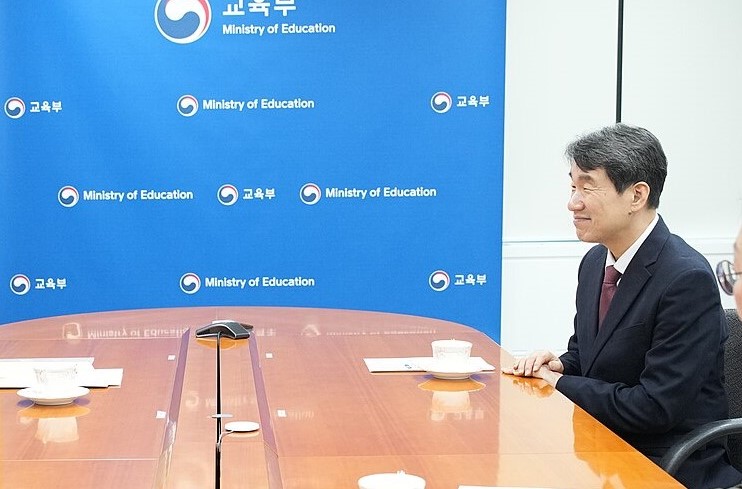
Lee Ju-ho, South Korea’s third acting leader in five months, steps into office amid political upheaval and economic uncertainty. A soft-spoken labor economist and two-time education minister, Lee now leads Asia’s fourth-largest economy following the resignations of both the prime minister and finance minister after President Yoon Suk Yeol’s ouster over a failed martial law attempt.
Lee, 64, will serve as acting president until the June 3 snap election. Though his term is brief, he faces enormous challenges—stabilizing financial markets, managing strained U.S. trade talks, and maintaining national security against North Korea. “We must prepare for financial market volatility and minimize economic uncertainty,” Lee stated in his first address.
Educated at Cornell and previously a professor at the Korea Development Institute, Lee is known for his expertise in labor policy and educational reform. Despite limited political experience—his only parliamentary term was via proportional representation—he has twice served as education minister, most recently appointed by Yoon in 2022.
During his tenure, Lee pushed to modernize classrooms with AI and ease the country’s notoriously competitive university admissions system by promoting specialized high schools. However, critics argue some of his reforms increased inequality. He is also mediating a crisis with striking medical students protesting plans to expand medical school admissions.
As interim leader, Lee emphasizes a system-driven government approach and vows to work with parliament and allies to uphold South Korea’s global credibility. With the country grappling with internal strife and international pressure, Lee’s ability to maintain stability during this transition period will be closely watched.







