


 Netanyahu’s Brief US Trip Highlights Strains With Trump
  US Backs Musk in Fight Against EU’s €120 Million X Fine
  US Comfortable With Canada Trade Standoff as Import Bans Loom
  Japanese Bank Stocks Surge as Bond Yields Fuel Rate Hike Bets
  Canadian Dollar Faces Pressure as Fed-BoC Policy Gap Widens
  Oil Prices Ease as Iran Tensions Clash With Diplomacy Hopes
  RBI Uses $10 Billion Currency Swaps to Drain Excess Rupee Liquidity
  Yemen Violence Displaces 130,000 as Civilian Toll Rises
  Trump, Xi Visit US National Archives After White House Summit
  Trump Asks Supreme Court to Restore Third-Country Deportations
  US Supreme Court Revives Trump Administration Voter Citizenship Database
  Gold Holds Near $4,275 as Rising Treasury Yields Fuel Fed Rate Hike Bets
  Gold Prices Fall as Treasury Yields Rise on Fed Rate Hike Bets
  Colombia Extradites FARC Dissident Leader ‘Spider’ to US
  European Stocks Fall as Bond Yields and Geopolitical Risks Weigh
  Oil Prices Fall on U.S.-Iran Hormuz Deal Hopes
  EU Defence Build-Up Too Slow for 2030 Russia Readiness Goal


 Add as a preferred source on Google
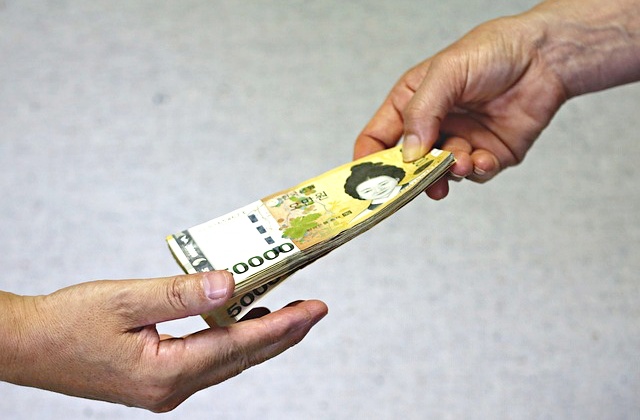
South Korea’s negotiations with the United States on a trade deal remain delayed due to concerns over foreign exchange stability. A senior presidential official said Seoul has asked Washington to help minimize the market impact of its planned $350 billion investment package in the U.S.
The deal, initially agreed in July, has yet to be finalized in writing, unlike Japan’s $550 billion trade agreement that U.S. President Donald Trump signed last week. According to Presidential Policy Secretary Kim Yong-beom, South Korea cannot accept the same terms as Japan because of differences in economic structure and currency conditions.
Kim emphasized that the yen enjoys international currency status and Japan maintains foreign exchange reserves nearly three times larger than South Korea’s, supported by a currency swap program. These factors allow Japan to absorb the market impact of its U.S. investment more effectively than Seoul.
Market analysts have expressed concerns that South Korea’s $350 billion investment could intensify downward pressure on the won. The scale far exceeds the $20–30 billion that state-run policy banks can typically procure annually, as well as the national pension fund’s $2–3 billion monthly overseas investments, both already influential in currency markets.
The won is currently trading near 1,390 per dollar, up 6% in 2025 after four years of weakness that pushed it to 15-year lows below the 1,400 mark in 2024. Policymakers warn that any large-scale capital outflow linked to the U.S. deal could destabilize foreign exchange markets.
Finance Minister Koo Yun-cheol confirmed that currency policy is part of the ongoing negotiations and will be included in the final agreement once trade talks conclude. Until then, the timing of the trade deal’s conclusion remains uncertain.







