


 MediaTek Unveils 2nm Dimensity 9600 Pro AI Chip
  Big AI wants to slow down AI research. Is it a safety pause or a strategic retreat?
  OpenAI Urges US-Led Global Standards for Frontier AI
  Burnham Eyes UK Leadership Role in AI Ahead of Trump Meeting
  NASA, Boeing Discuss Expanding Starliner Missions
  Nvidia CEO Jensen Huang Expected at Trump-Xi State Dinner
  AI is supercharging money scams – here’s what you can do to protect yourself
  Guterres Urges Stronger Global AI Safeguards Ahead of UN Assembly
  Meta CEO Zuckerberg Backs Independent AI Safety Reviews Over Development Slowdown
  Meta Partners With Shopify to Bring Shop Pay Checkout to Muse AI
  SoftBank Launches $11 Billion Bond Sale to Fund OpenAI Investment
  DOJ Will Investigate AI-Related Crimes, Attorney General Blanche Says
  Apple Pay Set for India Launch With Axis Bank
  Qualcomm Gains on $60B Amazon AI Chip Deal
  China Reviews Broadcom Switch Use in State Data Centres
  France Urges Faster AI Push Despite Safety Risks
  Westinghouse Targets $50 Billion Valuation in U.S. IPO


 Add as a preferred source on Google
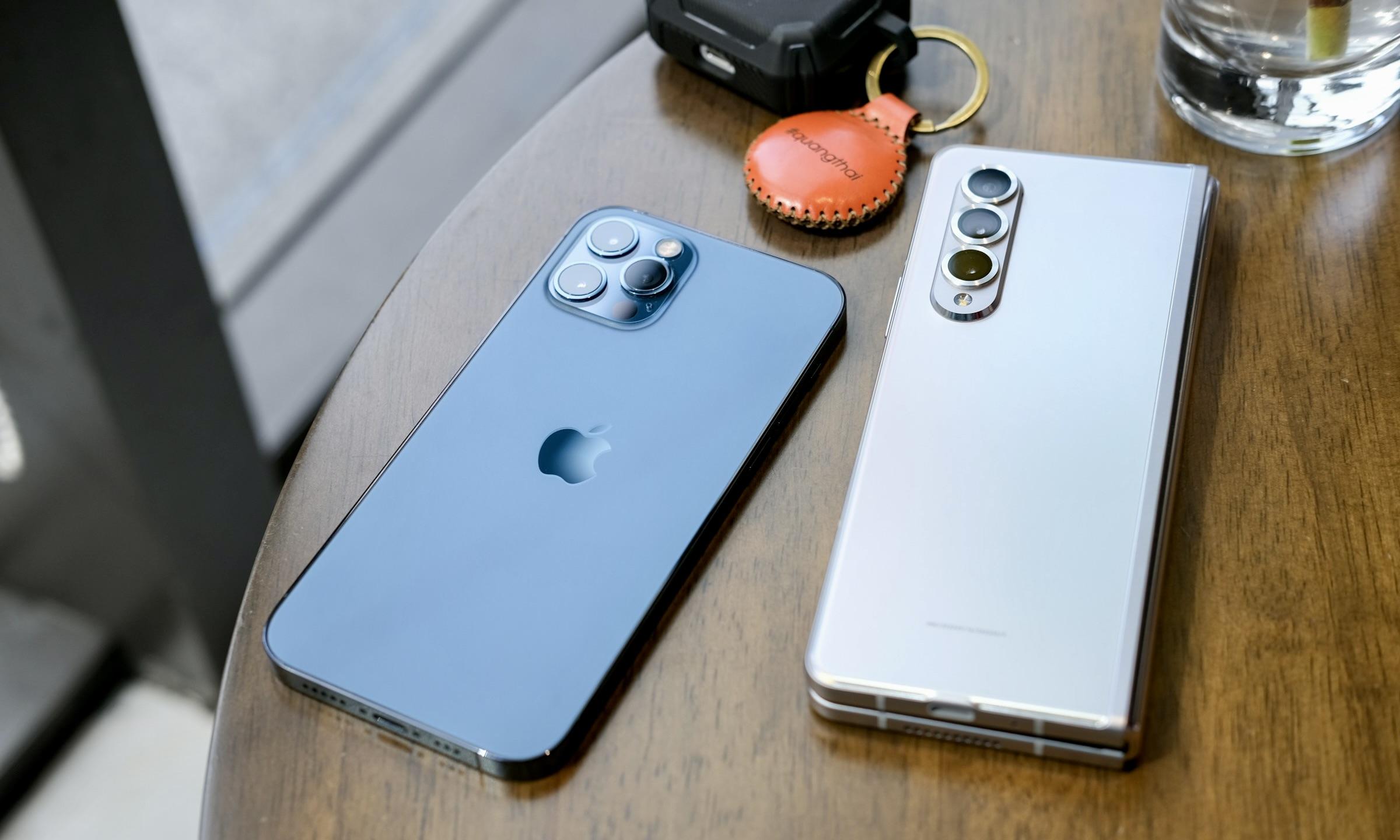
The South Korean military is considering banning iPhones from defense installations over concerns that their voice recording feature could compromise security, whereas Samsung phones are approved for use.
Potential iPhone Ban at Korean Military Sites Raises Security Alarm
According to The Korea Herald news, multiple military sources on Tuesday stated that the South Korean military is mulling a complete ban on iPhones in military buildings due to growing concerns about potential voice recordings leaking vital information. This decision was made after collaborative meetings among the Army, Navy, and Air Force headquarters.
A recently released document on the internal network of the Air Force headquarters allegedly states unequivocally that "Bringing in iPhones will be completely prohibited." Sources indicate that Android smartphones, particularly those manufactured by Samsung Electronics, will not be subject to this prohibition.
Presently, the Gyeryongdae Defense Center operates with an approximate staff of 10,000 individuals, of which roughly 6,000 are officers. However, the precise figures remain undisclosed to the public for security purposes.
Nearly 500,000 military personnel would be impacted if the prohibition was expanded to include all subordinate units. Data from the Korea Institute for Defense Analyses indicates 499,800 military personnel as of 2022, comprising 365,000 in the Army, 69,800 in the Navy, and 65,000 in the Air Force.
As per SamMobile, the prohibition on iPhones, while sparing Android-based smartphones such as Samsung's Galaxy series, is reportedly due to iPhones' failure to adhere entirely to the guidelines set forth by the National Defense Mobile Security.
This mobile device management application, overseen by military authorities, imposes restrictions upon activation, impeding various smartphone functionalities like the camera, Wi-Fi, tethering, USB functions, and the microphone.
Why Samsung Smartphones Escape the Korean Military Ban
Notably, Apple's policy disallows third-party apps from manipulating the fundamental features of iPhones, except for the camera.
In August 2013, the Ministry of National Defense unveiled the security app to reduce the possibility that confidential information would be stolen from its Seoul headquarters in Yongsan-gu. At first, this policy only applied to public servants and military commanders employed by the government.
The iPhone ban is considered a trial run, with a broader rollout anticipated in the coming months.
Photo: Thai Nguyen/Unsplash







