


 US Northeast Airports Resume Operations After Telecom Outage Disrupts Thousands of Flights
  fnny Beta Launches With a Simple Idea: Find an Event, Show Up, Get Rewarded
  SoftBank Launches $11 Billion Bond Sale to Fund OpenAI Investment
  White House Bars CNN, MS NOW and Politico Reporters
  China Reviews Broadcom Switch Use in State Data Centres
  Novo Nordisk Weighs Direct NYSE Listing to Boost U.S. Profile
  Apple Pay Set for India Launch With Axis Bank
  Paramount-Warner Bros $110 Billion Deal Draws Antitrust Backlash
  Cathie Wood Backs AI Slowdown as Safety Concerns Grow
  SpaceX Nasdaq 100 Weight to More Than Double in Rebalance
  Petrobras Joins Brazil’s New Diesel Subsidy Program
  Trump Plans Federal AI Force and AI Czar
  US Federal Register Drops Alibaba Qwen AI Search Tool
  Prysmian, Rio Tinto Supply Low-Carbon Cables for Amazon Ohio Data Center
  China Vanke Shares Jump as Beijing Moves to Ease Debt Pressure
  Westinghouse Targets $50 Billion Valuation in U.S. IPO
  NASA, Boeing Discuss Expanding Starliner Missions


 Add as a preferred source on Google
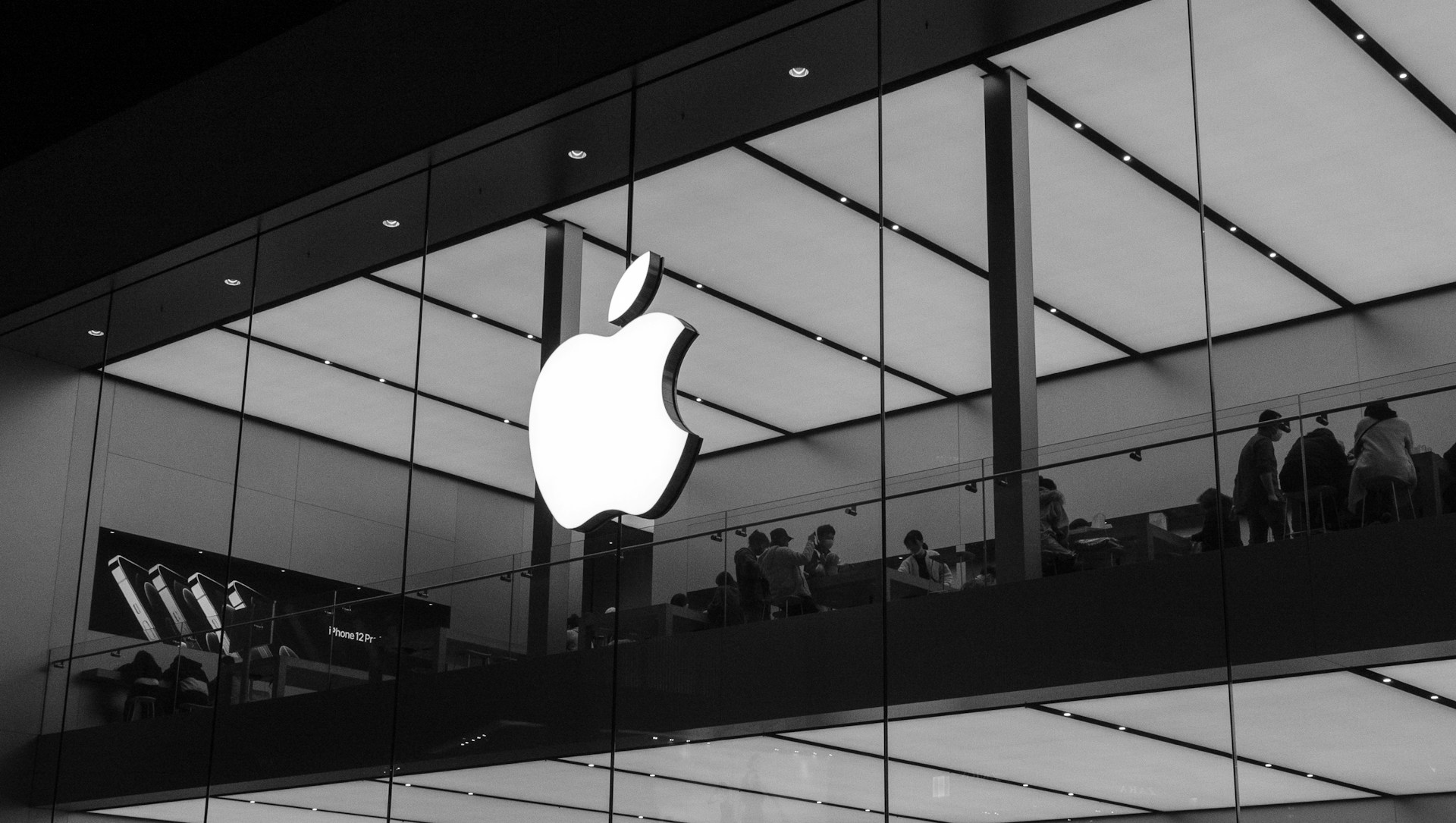
Apple has acquired Datakalab, a French AI firm specializing in on-device processing, aligning with its commitment to enhance privacy and data security. The acquisition underscores Apple's strategy to integrate advanced AI capabilities directly into its devices.
Apple Acquires Datakalab to Enhance On-Device AI, Aligning with Privacy Commitments
Datakalab specializes in algorithm compression and embedded artificial intelligence systems. The acquisition, completed on December 17 of last year, was quietly carried out but was recorded in a European Commission file discovered by the French journal Challenges, as per iPhoneSoft.
While the financial details of the sale are unknown, the move is almost probably part of Apple's larger aim to bring more advanced AI capabilities to its devices, such as those set to debut with iOS 18.
The firm was founded in 2016 by Xavier and Lucas Fischer and has achieved substantial advances in AI technology, focusing on low-power. These high-efficiency deep learning algorithms do not rely on cloud-based platforms. This strategy is consistent with Apple's frequently cited dedication to user privacy, data security, and dependable performance, as processing data locally reduces the chance of data breaches and provides speedier processing times.
Apple's interest is most likely driven by the startup's ability to compress neural networks so that they can perform efficiently on portable devices such as smartphones and tablets.
Apple's On-Device AI Strategy May Include Partnerships, Set for Reveal at WWDC
According to Bloomberg's Mark Gurman, Apple's LLM would run purely on-device rather than in the cloud, as most other AI systems do. Apple's AI tools may sometimes be less capable than its direct cloud-based competitors. Still, Gurman believes the business can "fill in the gaps" by licensing technology from Google and other AI service providers.
Before its sale, Datakalab worked on several high-profile initiatives, including cooperation with the French government and Disney. The company created technology capable of assessing human emotions using facial recognition and visual data, which was later utilized to track audience reactions in real-time during film screenings.
Apple's new AI approach is expected to be unveiled alongside previews of its next-generation operating systems at WWDC in early June.
Photo: Microsoft Bing







