


 U.S. Demand for Alternative Satellite Providers Remains Strong Amid SpaceX Regulatory Push
  Spirit Airlines Shuts Down Flights, Issues Refunds After Financial Collapse
  Supreme Court Asked to Reinstate Mail-Order Access to Abortion Pill Mifepristone
  Qualcomm Stock Surges Despite Weak Guidance After Q2 2026 Earnings Beat
  Amazon Stock Dips Despite Record Earnings as AI Infrastructure Spending Surges
  Berkshire Hathaway Meeting Sees Shift as Greg Abel Steps Into Leadership Spotlight
  Google Secures Pentagon AI Deal for Classified Projects
  Alphabet Earnings Surge on AI Growth, Cloud Revenue, and Strong Search Performance
  Microsoft Azure Growth Forecast Beats Expectations Amid Rising AI Competition
  Anthropic’s $1.5B AI Venture with Wall Street Firms Targets Private Equity Market
  T-Mobile Beats Q1 Earnings Expectations on Strong Postpaid Growth
  U.S. Cybersecurity Pushes Faster Patch Deadlines Amid Rising AI-Driven Threats
  Meta Raises 2026 Capex Outlook Amid AI Spending Surge, Shares Drop After Earnings
  TSMC Exits Arm Holdings with $231 Million Share Sale Amid Strategic Portfolio Shift
  Lightelligence IPO Soars Over 400% in Hong Kong Debut Amid Rising AI Investment Demand


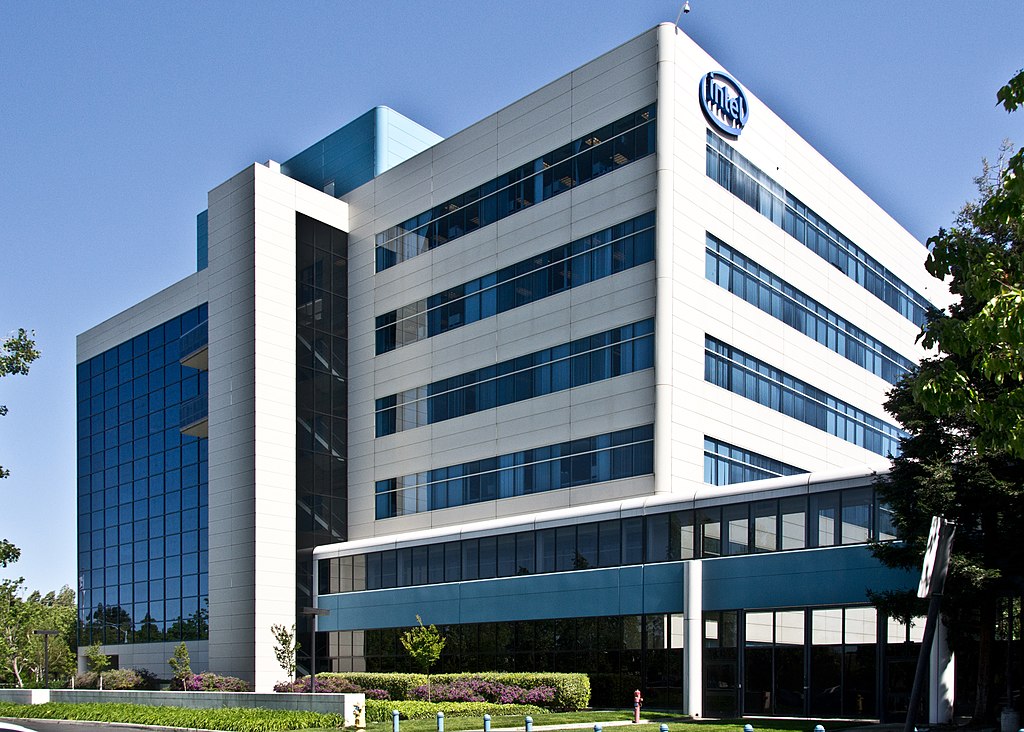
Apple Inc. (NASDAQ: AAPL) is reportedly exploring new partnerships with Intel Corp. (NASDAQ: INTC) and Samsung Electronics (KS: 005930) to manufacture its main processors, signaling a potential shift in its long-standing chip supply strategy. According to Bloomberg News, these early-stage discussions highlight Apple’s efforts to diversify its semiconductor supply chain and reduce reliance on Taiwan Semiconductor Manufacturing Company (NYSE: TSM), its primary chip supplier for years.
The talks suggest that Apple is evaluating Intel’s foundry services as a possible alternative for producing its custom-designed chips, which power key devices such as iPhones, iPads, and Mac computers. At the same time, Apple executives have reportedly visited Samsung’s advanced chip manufacturing facility currently under development in Texas, further indicating the company’s interest in expanding its manufacturing partnerships.
This strategic move comes as global tech companies increasingly seek supply chain resilience amid geopolitical uncertainties and rising demand for advanced semiconductors. By potentially working with multiple chipmakers, Apple could strengthen its production flexibility, reduce risks tied to a single supplier, and enhance its long-term competitiveness in the consumer electronics market.
Following the report, Intel shares rose by 3.3% in premarket U.S. trading, reflecting investor optimism about a possible deal with Apple. Meanwhile, Samsung Electronics saw its stock surge by 5.4%, closing at a record high of KRW 232,500, signaling strong market confidence in its semiconductor business growth.
While no final agreements have been confirmed, Apple’s exploratory discussions with Intel and Samsung underscore a significant potential evolution in its chip manufacturing strategy. If implemented, such changes could reshape the semiconductor industry landscape and influence future partnerships among major tech companies.







