


 Pope Leo Backs Press Freedom After White House Media Ban
  Netanyahu Defends Israel at UN as Delegates Stage Walkout
  Fed Unveils Stablecoin Rules Under GENIUS Act
  U.S. Treasury Yields Surge as 30-Year Hits 22-Year High
  Mexico-US Trade Talks Delayed to October as Tariff Negotiations Continue
  NATO Boosts Intelligence Sharing Amid Russia Hybrid Threats
  Oil Prices Jump 3% as Houthi Attack Revives Supply Fears
  Evan Gershkovich Says FSB Set Trap for 2023 Russia Arrest
  France Defends Netanyahu Airspace Clearance Despite ICC Warrant
  EU Agrees €6.6 Billion Military Aid Funding for Ukraine
  Oil Prices Fall on U.S.-Iran Hormuz Deal Hopes
  US Senate Rejects Iran War Powers Resolution in 50-49 Vote
  Australia Unemployment Hits Five-Year High Despite Strong Jobs Growth
  Trump, Xi Focus on Trade and AI at White House Summit
  Asian Stocks Fall as Bond Yields Surge Ahead of Trump-Xi Summit
  Gold Prices Fall as Treasury Yields Rise on Fed Rate Hike Bets


 Add as a preferred source on Google
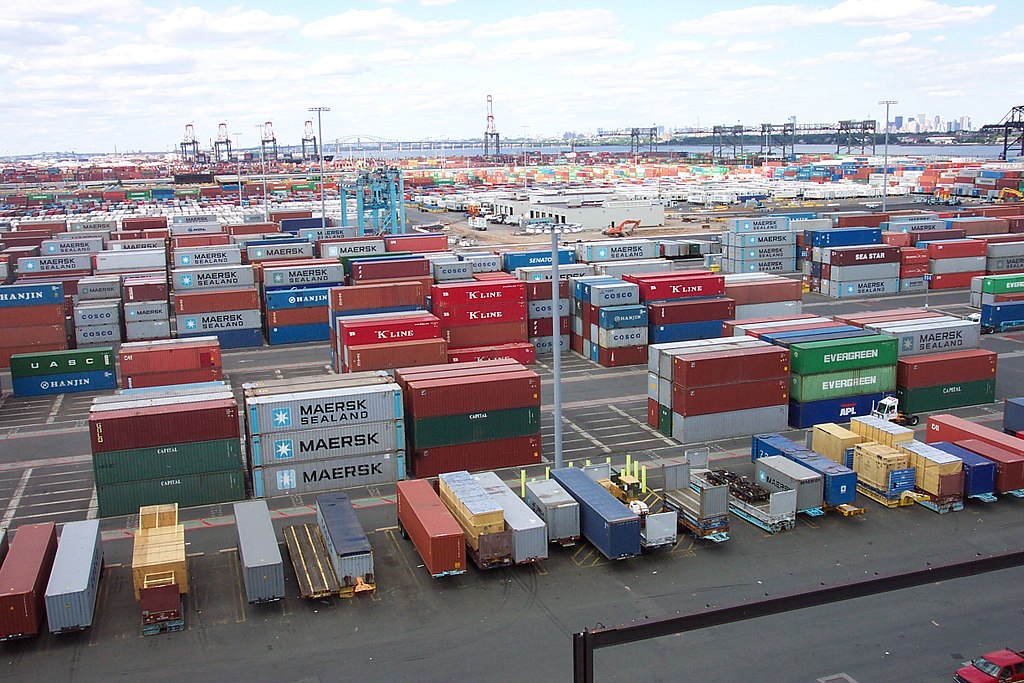
South Korea will use Japan’s recent trade agreement with the United States as a reference while finalizing its own deal, Finance Minister Koo Yun-cheol said Monday. The minister explained that Japan’s outcome offers both advantages and challenges but provides Seoul with leverage in talks with Washington.
Japan’s trade deal, signed into effect by President Donald Trump last week, reduced U.S. tariffs on Japanese car imports to 15% from 25%. This has left South Korean automakers at a competitive disadvantage, as their vehicles still face the 25% tariff. Koo stressed that Seoul would negotiate to protect national interests and push for fair treatment in the auto sector.
The agreement under discussion includes a $350 billion investment package, with Seoul aiming to channel funds into effective U.S. projects. In addition, South Korea and the United States are negotiating foreign exchange policy terms, which will be announced once talks conclude.
Koo highlighted growing uncertainty from global tariff policies, noting that the Trump administration is seeking to preserve sweeping tariffs under a 1977 emergency law despite recent legal challenges. He pledged to introduce new strategies by October to address shifts in the global trade environment and strengthen South Korea’s competitiveness.
The minister also addressed concerns over labor issues after a U.S. immigration raid detained hundreds of Korean workers at a Hyundai plant under construction in Georgia. He assured that the government would coordinate with Washington to prevent such incidents from undermining South Korean investments in the United States.
Koo emphasized that South Korea must prepare for every possible scenario in trade and economic policy, making it “more pressing than ever” to respond swiftly to external changes such as tariffs and investment rules.







