


 US Backs Musk in Fight Against EU’s €120 Million X Fine
  Trump, Xi Visit US National Archives After White House Summit
  Netanyahu’s Brief US Trip Highlights Strains With Trump
  Oil Prices Surge as U.S.-Iran Diplomacy Hopes Fade
  Judge Orders Trump to Restore White House Access for CNN, MS NOW and Politico
  Soybean Futures Slip as Traders Await Trump-Xi Trade Signals
  Saudi Arabia, Turkey and Pakistan Plan Urgent Defence Talks Over Houthi Attacks
  Yemen Violence Displaces 130,000 as Civilian Toll Rises
  Japanese Bank Stocks Surge as Bond Yields Fuel Rate Hike Bets
  European Stocks Fall as Bond Yields and Geopolitical Risks Weigh
  Asian Currencies Mixed as Dollar Holds Near Two-Month High
  Oil Prices Ease as Iran Tensions Clash With Diplomacy Hopes
  South Korea, US Discuss Warship Building Cooperation
  US, China Extend Trade Truce to Jan. 10 Ahead of Trump-Xi Summit
  Russian Envoy Dmitriev Heads to US for Ukraine Talks
  US Stock Futures Fall as Treasury Yields Surge Ahead of Trump-Xi Summit
  North Korea Rejects Nuclear Test Warning, Calls Nuclear Status Irreversible


 Add as a preferred source on Google
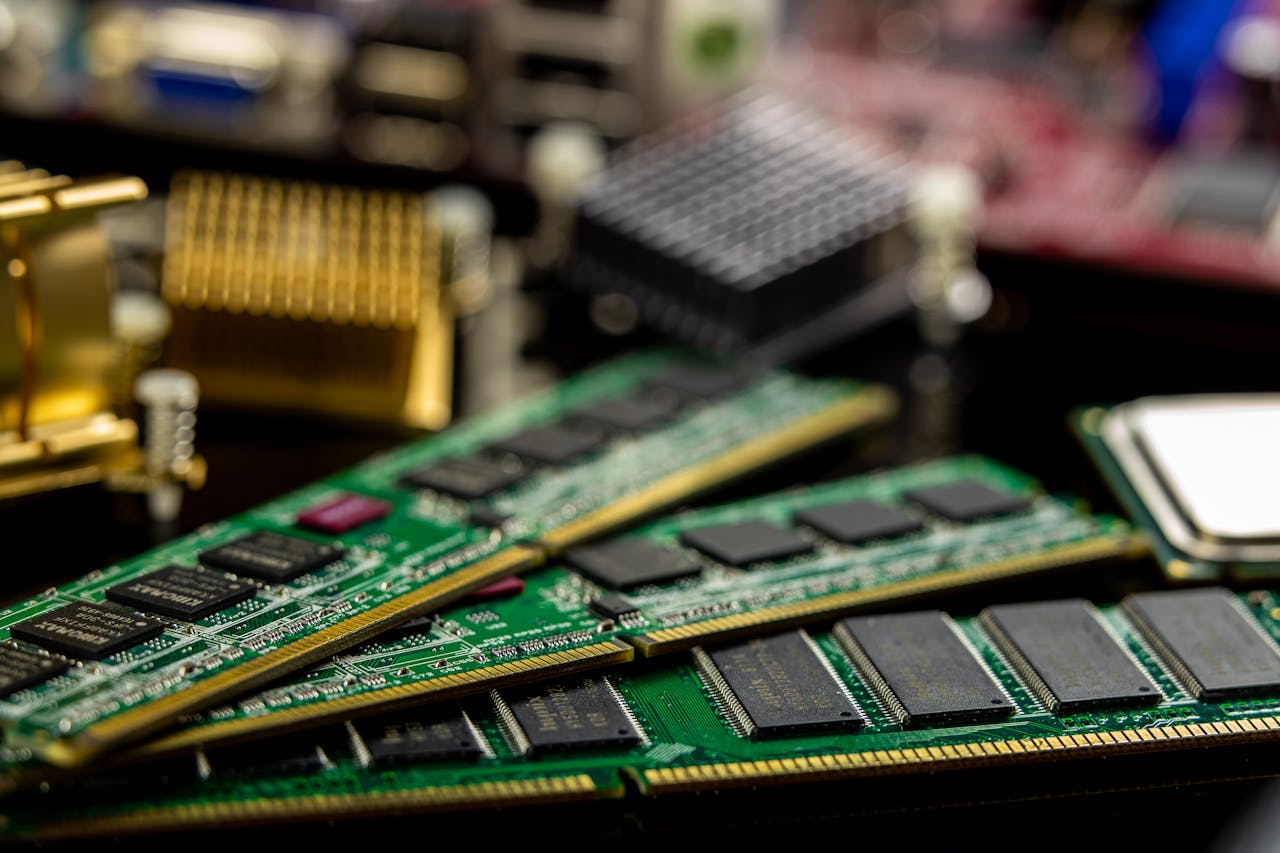
South Korea is signaling potential cooperation with Taiwan as both economies navigate U.S. President Donald Trump’s proposed semiconductor tariffs. Trade Minister Yeo Han-koo said in a recent radio interview that Taiwan is also in negotiations with Washington, creating “room for South Korea and Taiwan to get the most favourable treatment through cooperation.” His remarks highlight a strategic alignment as both countries seek to safeguard their chip industries amid shifting U.S. trade policies.
Earlier this month, Seoul finalized a trade agreement with the United States that reduces certain tariffs in exchange for major South Korean investments in key U.S. industries, including advanced manufacturing and technology. As part of the agreement, Washington committed that South Korean semiconductor tariffs would be “no less favourable” than any terms that might be offered to another country in a future deal. South Korean officials noted this language appears to reference Taiwan, a major competitor in the global semiconductor market.
Meanwhile, Taiwan’s own trade talks with the U.S. remain underway, leaving open the possibility of aligned strategies between the two chipmaking powerhouses. A South Korean government official declined to confirm whether Seoul and Taipei have held direct discussions on the matter.
Complicating the outlook, U.S. officials have privately indicated that the long-anticipated semiconductor tariffs might not be imposed soon, Reuters reported. This potential delay raises questions about the timeline of Trump’s broader economic agenda, particularly as it relates to the semiconductor supply chain and domestic manufacturing goals.
Despite the uncertainty surrounding U.S. tariff actions, South Korean chip exports to the United States remain strong. In October, shipments surged 51.2% year-on-year to $1.2 billion, driven by growing demand for high-performance semiconductors used in artificial intelligence and other advanced technologies.
As both South Korea and Taiwan navigate a rapidly evolving global trade landscape, cooperation could strengthen their position in negotiations with Washington while helping secure competitive advantages in the semiconductor sector.







