


 BOJ Hawk Signals Faster Interest Rate Hikes Amid Inflation Risks
  RBA Expected to Hold Interest Rates at 4.35% as Markets Watch AUD/USD and ASX 200
  US Dollar Slips After PCE Inflation Data Eases Fed Rate Hike Expectations
  Wall Street Ends Mixed as Tech Stocks Struggle Ahead of Micron Earnings
  Asian Currencies Trade Mixed as Yen Hovers Near 40-Year Low, Dollar Holds Firm on Fed Outlook
  South Korea’s KOSPI Plunges as Apple Price Hikes and OpenAI IPO Delay Shake AI Chip Stocks
  Gold Prices Rise Above $4,000 as Inflation Data and Weaker Dollar Boost Demand
  Morgan Stanley Sees Chinese Auto Market Recovery Gaining Momentum in Late Summer
  Oil Prices Rebound as Strait of Hormuz Tensions Return After Ship Attack Near Oman
  RBI Hits Pause as Geopolitical Storm Clouds Gather
  Oil Prices Drop as Strait of Hormuz Shipping Recovers
  Indonesia Plans Higher Asset Yields to Boost Rupiah and Restore Investor Confidence
  Taiwan Central Bank Likely to Keep Interest Rates Unchanged Through 2027
  Fed Chair Kevin Warsh Signals Policy Overhaul as Hawkish Rate Outlook Rattles Markets
  New Zealand Unemployment and Inflation Debate Intensifies Ahead of 2026 Election


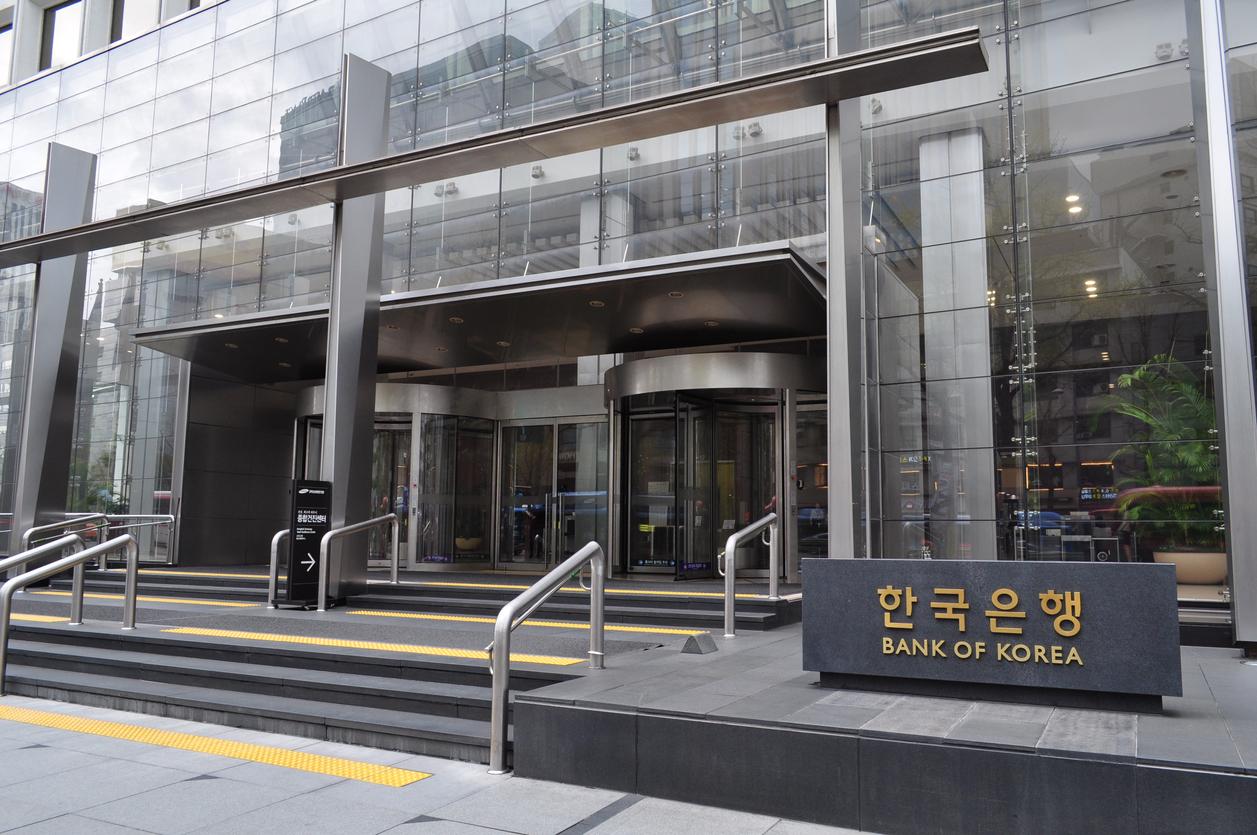
South Korea’s central bank is expected to place greater emphasis on inflation control after rising global oil prices triggered concerns that inflation could move above the Bank of Korea’s 2% target. The warning came from outgoing Monetary Policy Board member Shin Sung-hwan, who said inflation risks have intensified due to the ongoing conflict involving Iran and its impact on energy markets.
Speaking at a press conference on Monday ahead of the end of his term, Shin stated that the Bank of Korea should prioritize stabilizing prices even if doing so creates pressure on economic growth. He noted that if inflation continues to rise beyond the central bank’s target, policymakers may need to focus more aggressively on containing price increases despite potential economic trade-offs.
Shin, widely viewed as a dovish policymaker, had previously supported interest rate cuts at several meetings following the Bank of Korea’s last rate reduction in May 2025. However, he acknowledged that the recent spike in crude oil prices has complicated discussions about further monetary easing.
According to Shin, if oil prices remain near $100 per barrel, the central bank must work to prevent higher energy costs from spreading across the broader economy. He stressed that limiting inflationary spillover effects is essential to fulfilling the Bank of Korea’s mandate.
South Korea’s consumer inflation rate accelerated to 2.6% in April, marking its highest level in nearly two years and fueling expectations that interest rates could rise later this year. The Bank of Korea kept rates unchanged last month, citing uncertainty surrounding the Iran conflict and the need to assess its impact on both growth and inflation before making policy adjustments.
Shin also highlighted the country’s strong AI-driven semiconductor demand, which has supported economic growth, while warning about the economy’s heavy reliance on the chip sector. Additionally, he stated that the South Korean won remains significantly undervalued against the U.S. dollar despite existing interest rate differences between the two countries.







