


 Sudan Rejects US Legitimacy Remarks, Defends Sovereignty
  BMW 2028 Margin Target Could Fall Below Consensus, UBS Says
  Trump, Xi Focus on Trade and AI at White House Summit
  US Northeast Airports Resume Operations After Telecom Outage Disrupts Thousands of Flights
  U.S. 10-Year Treasury Yield Hits 2007 High as Fed Rate Hike Bets Rise
  US Backs Musk in Fight Against EU’s €120 Million X Fine
  Oil Prices Surge as U.S.-Iran Diplomacy Hopes Fade
  Dollar Hits Two-Month High as Fed Rate Hike Bets Rise
  European Stocks Fall as Bond Yields and Geopolitical Risks Weigh
  South Korea, US Discuss Warship Building Cooperation
  Meta Unveils Muse Charm AI Device, Expands Smart Glasses Lineup
  CNN, MS NOW and Politico Sue Trump Over White House Media Ban
  Kremlin Says No Decision Yet on Putin-Trump December Summit
  Asian Stocks Fall as Bond Yields Surge Ahead of Trump-Xi Summit
  US, China Extend Trade Truce to Jan. 10 Ahead of Trump-Xi Summit
  Judge Orders Trump to Restore White House Access for CNN, MS NOW and Politico
  Tencent Launches TenPayGo Payment App for Foreign Tourists in China


 Add as a preferred source on Google
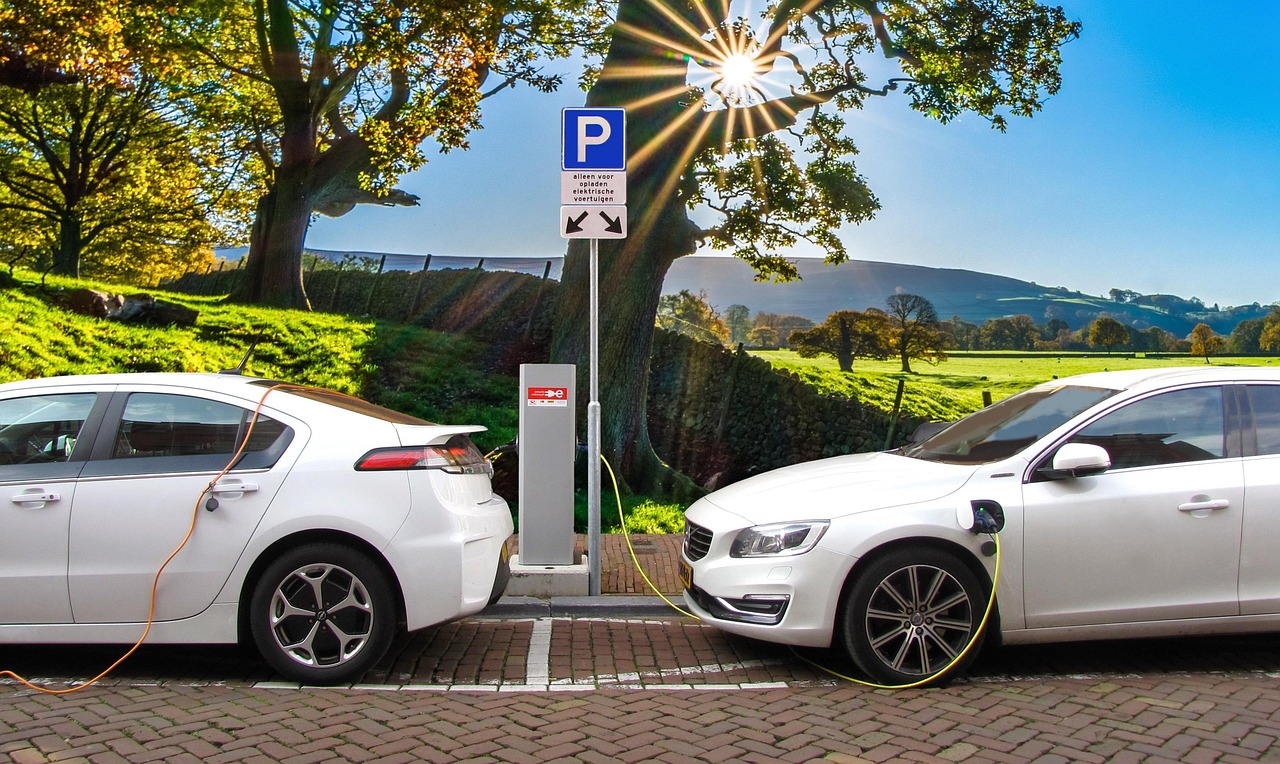
As President Donald Trump prepares for a high-profile meeting with Chinese President Xi Jinping, pressure is mounting from U.S. automakers, lawmakers, unions, and manufacturers urging the administration to keep Chinese electric vehicles out of the American auto market. Industry leaders warn that allowing Chinese automakers into the United States could threaten domestic manufacturing, national security, and long-term competitiveness.
Trump previously stated that he would welcome Chinese car companies building factories in the U.S. and creating American jobs. However, those remarks sparked concern across the automotive sector, which has spent years advocating for strict tariffs and security regulations aimed at limiting Chinese vehicle imports.
Bipartisan lawmakers from Michigan and Ohio are now pushing legislation designed to permanently block Chinese-made connected vehicles due to data privacy and cybersecurity concerns. Officials argue that modern vehicles collect vast amounts of real-time data, including driver location, infrastructure details, and movement patterns, creating potential national security risks if Chinese technology becomes integrated into U.S. transportation systems.
The proposed Connected Vehicle Security Act would strengthen restrictions initially introduced during the Biden administration. Additional legislation in the House of Representatives could also ban partnerships between American automakers and Chinese automotive firms.
Industry groups representing automakers, suppliers, dealers, and steel manufacturers have united behind the effort, warning that China’s state-backed EV industry benefits from enormous subsidies, advanced battery technology, and significantly lower production costs. Analysts say Chinese electric vehicles could rapidly dominate the U.S. market through aggressive pricing strategies.
Concerns have intensified as Chinese auto brands continue gaining market share in Europe and Mexico. In Mexico alone, more than 30 Chinese car brands now account for roughly 15% of the market, offering electric vehicles at prices far below comparable U.S. models. Experts fear a similar trend could severely damage American manufacturers already struggling with rising vehicle costs and affordability challenges.







