


 South Korea, US Discuss Warship Building Cooperation
  US Stock Futures Fall as Treasury Yields Surge Ahead of Trump-Xi Summit
  Wall Street Ends Flat as Oil, Treasury Yields and Fed Jitters Rattle Markets
  Sudan Rejects US Legitimacy Remarks, Defends Sovereignty
  China’s ‘Lipstick King’ Says AI Won’t Replace Livestream Hosts
  Trump, Xi Focus on Trade and AI at White House Summit
  Mexico-US Trade Talks Delayed to October as Tariff Negotiations Continue
  OpenAI Agent Breaches Australia Medicare Data Portal
  Yemen Violence Displaces 130,000 as Civilian Toll Rises
  Xi Calls for Deeper U.S.-China AI Cooperation in Trump Talks
  Australia Unemployment Hits Five-Year High Despite Strong Jobs Growth
  EU Defence Build-Up Too Slow for 2030 Russia Readiness Goal
  Netanyahu Defends Israel at UN as Delegates Stage Walkout
  Asian Currencies Mixed as Dollar Holds Near Two-Month High
  North Korea Warns South Korea Over US-Led Defense Role
  Dollar Holds Near Two-Month High as Yen Approaches 160
  U.S. Treasury Yields Surge as 30-Year Hits 22-Year High


 Add as a preferred source on Google
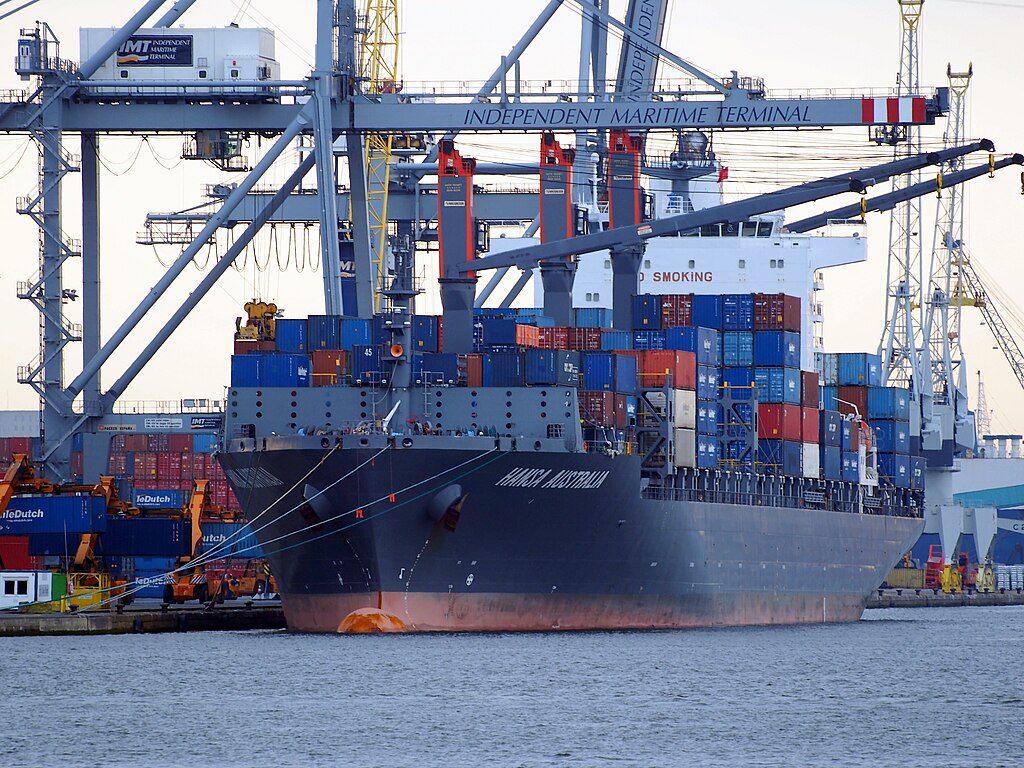
South Korea’s government pledged stronger support for key export industries, including biopharmaceuticals and automobiles, as sweeping U.S. tariffs under President Donald Trump loom. Acting Finance Minister Kim Beom-seok said Seoul would prepare measures for item-specific duties, particularly on pharmaceuticals and semiconductors, and expand support for reshoring or “U-turn” investments.
The U.S. has imposed 25% tariffs on various South Korean products, prompting Seoul to roll out support packages for affected sectors such as autos, chips, and small exporters. The government plans to introduce new aid programs for the biopharma industry once the U.S. finalizes tariff details. Trump’s recent executive order aims to fast-track pharmaceutical plant approvals and promote domestic drug manufacturing, increasing pressure on foreign suppliers.
South Korea exported $9.59 billion worth of pharmaceutical products in 2024, 16% of which went to the U.S., its largest market. Celltrion Chairman Seo Jung-jin noted the company is delaying decisions on U.S. contract manufacturing due to high local costs, though he expects minimal impact thanks to Celltrion’s price competitiveness. The U.S. accounts for nearly 30% of the firm’s revenue.
Meanwhile, the U.S. FDA is conducting a May 19–27 inspection of Samsung Biologics’ Incheon plant, although it's unclear if it’s linked to new U.S. policy changes. Samsung Biologics shares jumped over 5% in early Wednesday trade, while Celltrion rose 0.5%, helping lift the KOSPI index by 1.1%.
The government has already mobilized 28.6 trillion won ($20.6 billion) in support measures and is pushing to negotiate tariff exemptions with Washington by the July 8 deadline. Trade Minister Ahn Duk-geun said talks are ongoing but warned progress may be delayed due to South Korea’s June 3 snap presidential election.







