


 Nintendo Shares Slide After Earnings Miss Raises Switch 2 Margin Concerns
  TSMC Eyes 3nm Chip Production in Japan with $17 Billion Kumamoto Investment
  Instagram Outage Disrupts Thousands of U.S. Users
  Nvidia CEO Jensen Huang Says AI Investment Boom Is Just Beginning as NVDA Shares Surge
  Tencent Shares Slide After WeChat Restricts YuanBao AI Promotional Links
  Sony Q3 Profit Jumps on Gaming and Image Sensors, Full-Year Outlook Raised
  SpaceX Reports $8 Billion Profit as IPO Plans and Starlink Growth Fuel Valuation Buzz
  Global PC Makers Eye Chinese Memory Chip Suppliers Amid Ongoing Supply Crunch
  Google Cloud and Liberty Global Forge Strategic AI Partnership to Transform European Telecom Services
  SpaceX Updates Starlink Privacy Policy to Allow AI Training as xAI Merger Talks and IPO Loom
  Nvidia, ByteDance, and the U.S.-China AI Chip Standoff Over H200 Exports
  AMD Shares Slide Despite Earnings Beat as Cautious Revenue Outlook Weighs on Stock
  SoftBank and Intel Partner to Develop Next-Generation Memory Chips for AI Data Centers
  Nvidia Nears $20 Billion OpenAI Investment as AI Funding Race Intensifies
  Nvidia Confirms Major OpenAI Investment Amid AI Funding Race


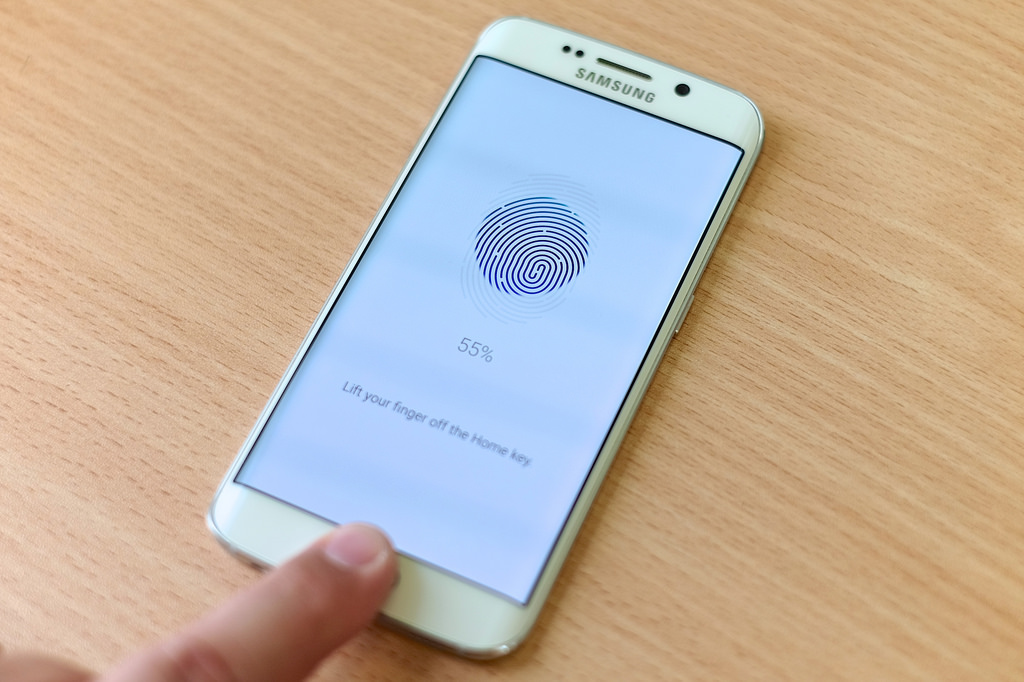
The idea behind the smartphone fingerprint scanner was to prevent other people from accessing the device that they did not own as well as to make certain transactions like online payments much easier. Unfortunately, it would seem that this practice is not as secure as a lot of people have come to believe since it comes with a significant amount of risks.
Conventional wisdom dictates that no two fingerprints are alike, but this is not necessarily the case, TechXplore reports. While it’s true that most people will never have an exact match in fingerprints, limitations in the current technology can offer enough similarities to trick smartphone security systems to believe that the rightful owner of the phone is the one accessing it.
This is what New York University Tandon School of Engineering and Michigan State University College of Engineering researchers were able to ascertain after looking into how smartphone scanners identify and store fingerprint information. It turns out that the full fingerprint isn’t even necessary as partial prints are all that the scanners look for.
As a result of this discovery, a hypothesis was created which suggested that with enough partial prints from different people, a match would be found that would allow one master key to access any smartphone. This is exactly what the researchers were able to do, Telegraph reports.
Now, it’s worth noting that the current master unlocking device that they have right now is only 65 percent effective, but this is enough to affect a significant number of smartphones. On top of that, the technology could be refined in such as a way as to make practically infallible.
Creating something like a master key for all smart devices using fingerprint scanning security systems and bringing it to the public’s attention is important for several reasons. One, it alerts users of the potential dangers of their dependence on such a system. Another reason is to help smartphone companies improve their security protocols before the vulnerability becomes a huge problem.













