


 Fast Retailing Shares Drop as Uniqlo Japan August Sales Fall
  Thomson Reuters C-Track Cyberattack Hits Courts Across U.S. and Canada
  Bank of England Sees Surge in Higher-Risk Collateral
  France Targets Shein, Temu With Fast-Fashion Fees
  Asian Stocks Tumble as Oil Surge Fuels Rate Hike Fears
  Star Entertainment Shares Fall After A$307 Million FY2026 Loss
  FTSE 100 Falls as US-Iran Conflict Drives Oil Prices Higher
  US Tech Giants’ AI Bond Boom Raises Euro Zone Borrowing Risks
  Oil Prices Slip as Trump Eases Iran Supply Fears
  Bessent Urges Japan on Fiscal Discipline, BOJ Rate Hikes
  Global Markets Brace for Fed Rate Hike as Oil Tops $91
  India Manufacturing Growth Slows to Five-Year Low in August
  Japan Bond Yields Top 3% as Inflation, Fiscal Risks Rise
  Aon Nears $17 Billion Deal to Buy USI Insurance From KKR
  Asian Stocks Rise as Bond Yields Ease, Oil Prices Stabilize
  Oil Prices Rise as U.S.-Iran Fighting Fuels Supply Fears
  India Services PMI Rises to 54.1 as Hiring Accelerates


 Add as a preferred source on Google
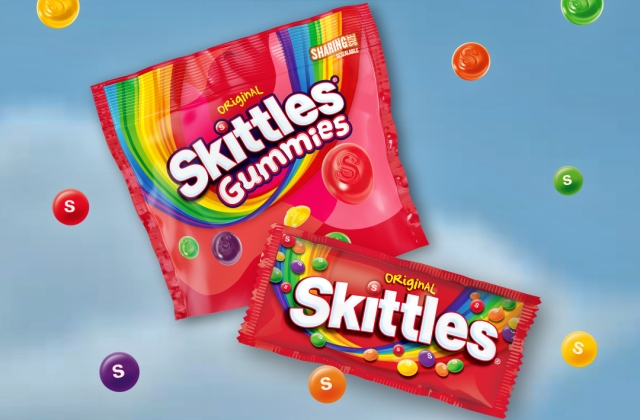
Mars Wrigley, the company that makes Skittles, sued Terphogz for trademark infringement. The latter has been selling a THC-infused product that it named Zkittlez, and this is where the problem lies.
As per CNBC, Skittles owner, Mars Wrigley, filed the lawsuit on Monday, May 3, at the U.S. federal courts in Illinois and California. The American multinational manufacturer of confectionery and other food products was also said to have filed the same trademark infringement case in Canada.
Mars Wrigley’s complaint
The company wants the courts to stop the sale of Zkittlez products that are being made and sold by Terphogz, including candies, clothing, drug paraphernalia, and other merchandise. This is because these products bear the same sounding name as Mars Wrigley’s candy item, Skittles, and it could confuse the consumers.
What’s more, Wrigley manufactures wholesome candies and goodies for kids, while the Zkittlez products are actually THC-laced items that are definitely not for children. This is the company’s main concern, so it sued Terphogz.
“At Mars Wrigley, we take great pride in making fun treats that parents can trust giving to their children and children can enjoy safely,” Mars’ spokesperson said via email. “We are deeply disturbed to see our trademarked brands being used illegally to sell THC-infused products, and even more so to hear of children ingesting these products and becoming ill.”
Official complaints in the court filing
In its court filing, Mars is seeking damages from the respondent and its resellers. It is also requesting the court to order Terphogz to permanently halt the sale of any items from the company bearing the Zkittlez name and marks. Bloomberg reported that it is asking $2 million per counterfeit mark for each type of candy sold plus the profits from the infringing sales.
Zkittlez is said to contain THC, which is the psychoactive compound found in cannabis. Thus, Wrigley sees this as a big problem as the company is selling the Skittles brand from which the Zkittlez name obviously derived as they sound the same and look the same.
“Mars Wrigley strongly condemns the use of popular candy brands in the marketing and sale of THC products, which is grossly deceptive and irresponsible,” the company said in a press release.







