


 Jensen Huang Urges Taiwan Suppliers to Boost AI Chip Production Amid Surging Demand
  Nvidia Nears $20 Billion OpenAI Investment as AI Funding Race Intensifies
  Nintendo Shares Slide After Earnings Miss Raises Switch 2 Margin Concerns
  Sam Altman Reaffirms OpenAI’s Long-Term Commitment to NVIDIA Amid Chip Report
  Tencent Shares Slide After WeChat Restricts YuanBao AI Promotional Links
  SpaceX Seeks FCC Approval for Massive Solar-Powered Satellite Network to Support AI Data Centers
  Anthropic Eyes $350 Billion Valuation as AI Funding and Share Sale Accelerate
  Amazon Stock Rebounds After Earnings as $200B Capex Plan Sparks AI Spending Debate
  SpaceX Updates Starlink Privacy Policy to Allow AI Training as xAI Merger Talks and IPO Loom
  Elon Musk’s Empire: SpaceX, Tesla, and xAI Merger Talks Spark Investor Debate
  Nvidia, ByteDance, and the U.S.-China AI Chip Standoff Over H200 Exports
  AMD Shares Slide Despite Earnings Beat as Cautious Revenue Outlook Weighs on Stock
  Nvidia Confirms Major OpenAI Investment Amid AI Funding Race
  Palantir Stock Jumps After Strong Q4 Earnings Beat and Upbeat 2026 Revenue Forecast
  SpaceX Prioritizes Moon Mission Before Mars as Starship Development Accelerates
  SoftBank and Intel Partner to Develop Next-Generation Memory Chips for AI Data Centers


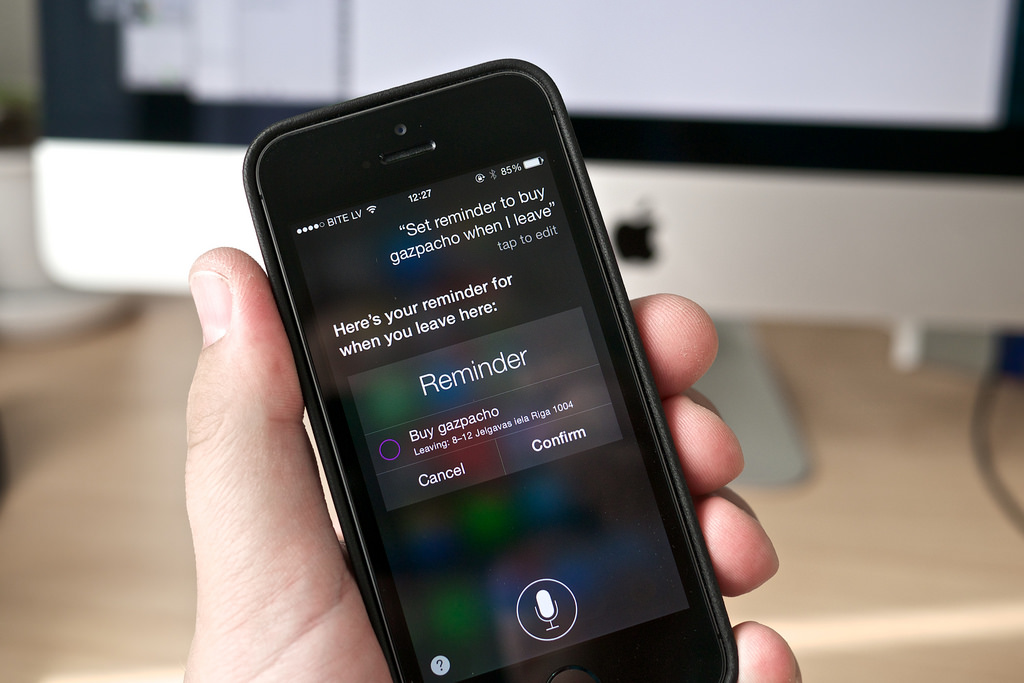
Normally, smart assistants like Apple’s Siri, Amazon’s Alexa, and Microsoft’s Cortana have to be given verbal commands in order to work. However, it would seem that these handy-dandy services can be hacked via ultrasound commands. Basically, hackers could potentially mess with people’s phones without having to say an audible word.
The vulnerability was discovered by Zheijiang University researchers, in China. In the paper that they published, the researchers explained how they were able to hack the devices without inaudible commands. Fortunately, the researchers also noted several limitations with the method, which makes it unlikely to cause widespread chaos.
On the matter of using ultrasound for communicating with the device, the method is actually not anything new. FastCompany noted how Chromecast uses the method to pair with phones and the same goes with the Amazon Dash Buttons. Even advertisers use this technique to keep track of what the target users are doing with their devices.
With regards to the possibility of hacking itself, the prospect has been suggested before, The Verge reports. What the researchers at Zheijiang University did is simply much more comprehensive than what has been done before, which provides analysts with more data to work with.
The researchers called the method DolphinAttack and it has been successful at forcing Siri and Google Now to perform certain tasks without the input of their recognized owners. During the experiments, the researchers were able to have the smart assistants do relatively harmless tasks like opening chat apps or putting devices in airplane mode.
However, this type of hacking method could also work on those like the onboard circuitry of cars. In theory, hackers would then be able to do things like start a car, make it move, tap on the breaks, or accelerate at high speeds. Fortunately, the device would need to be at a certain range in order for it to actually work.













