


 Asian Currencies Mixed as Dollar Holds Near Two-Month High
  Mexico-US Trade Talks Delayed to October as Tariff Negotiations Continue
  Japanese Yen Rebounds as Trump Flags Currency Weakness
  Oil Prices Fall on U.S.-Iran Hormuz Deal Hopes
  Gold Prices Fall as Treasury Yields Rise on Fed Rate Hike Bets
  Oil Prices Ease as Iran Tensions Clash With Diplomacy Hopes
  Japan Private-Sector Growth Slows as Domestic Demand Weakens
  Asian Stocks Fall as Surging Bond Yields Rattle Markets
  U.S. Treasury Yields Surge as 30-Year Hits 22-Year High
  Oil Prices Jump 3% as Houthi Attack Revives Supply Fears
  Wall Street Ends Flat as Oil, Treasury Yields and Fed Jitters Rattle Markets
  China’s ‘Lipstick King’ Says AI Won’t Replace Livestream Hosts
  Asian Stocks Fall as Bond Yields Surge Ahead of Trump-Xi Summit
  Dollar Holds Near Two-Month High as Yen Approaches 160
  Dollar Falls as Oil Eases, Yen Jumps on Intervention Signals
  Soybean Futures Slip as Traders Await Trump-Xi Trade Signals


 Add as a preferred source on Google
Asian technology and chipmaking stocks fell sharply on Monday as investor caution intensified over growing uncertainties surrounding artificial intelligence (AI) spending and its impact on future earnings. The sell-off followed weak signals from major U.S. technology companies, raising fresh concerns about margin sustainability, rising costs, and the long-term profitability of aggressive AI investments.
Pressure on semiconductor stocks increased after a series of U.S. earnings reports and outlooks highlighted challenges in the AI hardware sector. Broadcom Inc (NASDAQ: AVGO) shares dropped significantly last week after the company warned that margins could narrow despite strong demand for its AI chips. The warning underscored fears that escalating production and development costs may outweigh near-term revenue gains from AI-related products.
Earlier, Oracle Corporation (NYSE: ORCL) also contributed to market unease by issuing weaker-than-expected guidance and pointing to higher expenses tied to its expanding AI infrastructure. Oracle’s outlook reinforced investor skepticism over how major technology companies plan to generate sustainable returns from massive AI investments, especially as competition intensifies and costs rise.
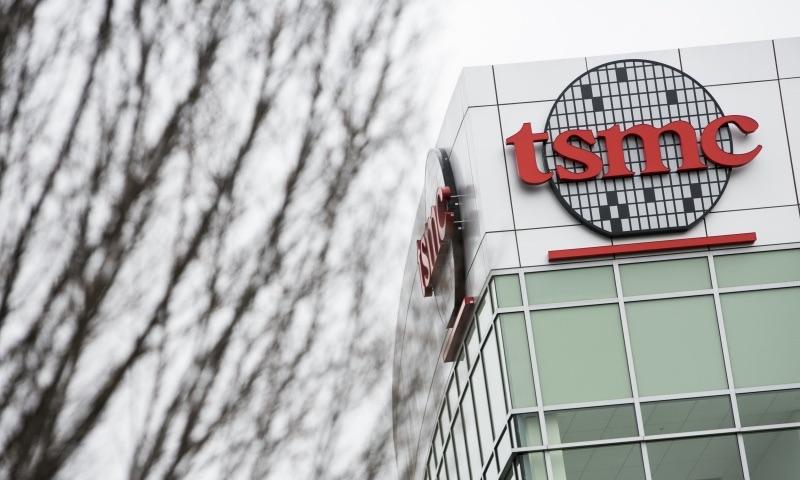
In Asia, South Korean stocks led regional declines, with Samsung Electronics (KS:005930) and SK Hynix (KS:000660) both falling nearly 4%. The losses reflected concerns about memory chip demand and pricing pressure linked to AI-driven supply expansions. Taiwan Semiconductor Manufacturing Co (TSMC) (TW:2330), the world’s largest contract chipmaker, saw its shares trade around 2% lower, adding to the broader weakness in semiconductor stocks.
Japanese technology shares also faced heavy selling. Advantest Corp. (TYO:6857), a key supplier of chip-testing equipment, slid about 6%, while SoftBank Group (TYO:9984) tumbled more than 7%, weighed down by exposure to technology investments and AI-related volatility.
In Hong Kong, Semiconductor Manufacturing International Corp (HK:0981) declined roughly 2.5%, while Hua Hong Semiconductor (HK:1347) dropped over 5%. Major Chinese technology firms also retreated, with Alibaba Group (HK:9988), Baidu Inc (HK:9888), and Xiaomi Corp (HK:1810) falling between 2% and 4%, reflecting broader risk aversion toward AI and technology stocks.
Overall, the decline highlights growing investor caution toward the AI sector, as markets reassess valuations, spending levels, and the path to sustainable earnings growth.







