


 Moderna Short Sellers Hit With $4.8 Billion Loss as Stock Soars
  Venezuela Earthquake Health Risks Rise as Disease Monitoring Intensifies
  Novartis Shares Plunge After Muscle Drug Fails Phase III Trial
  Alcohol is one of the most dangerous drugs, yet its presence is ubiquitous in social settings and celebrations
  GSK Unveils $2.52 Billion Cost-Cutting Plan to Accelerate Drug Pipeline
  Moderna Wins FDA Approval for mFLUSIVA mRNA Flu Vaccine for Adults 50+
  Hims & Hers Shares Fall as GLP-1 Costs Widen Q2 Loss
  GLP-1 Weight-Loss Drug Use Surges Among U.S. Children
  3 clinical-grade skincare creams you really shouldn’t buy online
  US-Backed Pediatric HIV Treatment Drops After Foreign Aid Changes, Study Finds
  France Battles Mediterranean Wildfires as Heatwave Fuels Fire Risk
  France Keeps Top Health Alert as Officials Brace for Another Heatwave
  U.S. Issues Cuba Health Alert as Illnesses Rise
  AstraZeneca Q2 Earnings Beat Forecasts as Oncology Growth Supports 2026 Outlook
  Trump Administration Bars U.S. Travelers From Congo Flights Amid Ebola Outbreak
  FDA Weighs Safety Standards for Psychedelic Therapies
  Novo Nordisk Raises 2025 Outlook Despite Wegovy Pill Miss and CagriSema Setback


 Add as a preferred source on Google
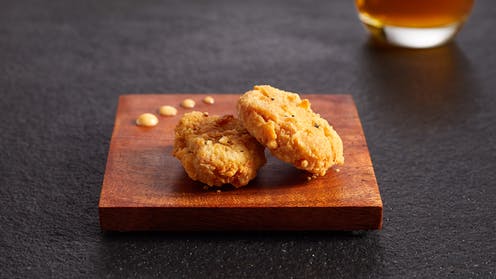

Cultured meat made from animal cells without animal slaughter has been approved for sale for the first time. The approval, granted by the Singapore Food Agency to US food company Eat Just for their cultured “chicken bites”, is a watershed moment for the future of meat.
Unlike existing products, which imitate meat with plant-based ingredients, cultured meat will provide us with a new way to make the real thing. As well as avoiding animal slaughter, cultured meat could be key to addressing public health concerns linked to meat from animals and has just a fraction of the environmental impact of conventional meat. Although not quite as green as eating plants only, cultured meat may be a way to satiate our global appetite for animal meat without all the problems animal farming entails.
The technology has been in development for many years, with Nasa first experimenting with cultured meat in 2001. Over a decade later, in 2013, tasters tried the world’s first cultured meat hamburger at a press event in London. At that time the quality was rudimentary – tasters said that despite a distinctly meaty taste, the product lacked texture and especially fat, problems which the industry has since been working to address. More importantly perhaps, prohibitively high costs meant that commercialisation seemed a long way away – at the time, it was reported that the burger cost US$280,000.
Since then, scientists have made great strides to make cultured meat a reality. Millions of dollars in investment have poured into the dozens of cultured meat startups across Asia, Europe, and America. Scientists have overcome many technical barriers, from developing cell lines to refining bioreactors to identifying a sustainable medium for the meat to grow in. Following the news of approval in Singapore, it is not unlikely that other countries will follow suit: regulatory discussions are already well underway in Europe and the US.
Once cultured meat is approved for market, the next big question concerns consumers – who will want to eat cultured meat, and how can more people be persuaded to embrace the future of food? These questions have been the topic of my PhD research, and the data leaves me cautiously optimistic about consumer adoption of cultured meat.
Eating animals
Although most people eat meat, many are less than comfortable with the way animals are used in factory farming and most view veganism as more ethical and better for the environment.
This baseline level of ambivalence about eating animals may account for quite high levels of interest in cultured meat: surveys indicate that more than half of European consumers want to try cultured meat, and around two-thirds of Americans. In Asia, where cultured meat will first be sold, public acceptance is even higher.
Not everybody is on board with the concept: research has found that some consumers are concerned about food safety, and may view cultured meat as unnatural. Many of these fears appear to be associated with food neophobia (a fear of new foods). Such concerns appear to be more common in older, less educated, and more conservative consumers. That said, religious scholars have indicated that cultured meat could be endorsed as both kosher and halal, indicating potential appeal to religious groups.
All of these things are likely to improve with time. Not only will cultured meat products get better and cheaper as the technology advances, but consumers will probably view it as more acceptable the more familiar they get with it. Approval by the Singapore Food Agency is likely to be seen by consumers as a major signal of safety and quality, further bolstering acceptance.
Taste and price are key
Also, the data suggests that cultured meat can appeal to consumers, which plant-based alternatives fail to satisfy. Those who consume plant-based meat alternatives are more likely to be women and probably already have meat-reducing tendencies. Conversely, cultured meat tends to appeal more to men – especially to the heaviest meat eaters.
While some may see cultured meat as unnatural, the biggest meat-lovers are generally the most excited to try it. The technology, therefore, has the potential to substantially reduce demand for conventional meat, possibly far more than plant-based meat.
In the long term, getting the price and taste right are paramount for consumer adoption of cultured meat. There is some level of food neophobia, and not everybody will be an early adopter, but acceptance of cultured meat will probably increase over time as familiarity increases and products get better and cheaper.
The science of cultured meat has made great strides in the past decade, from proof of concept to approval for sale to the public. This seal of approval is a major milestone for the technology and a major signal to the world that cultured meat is not only safe, but feasible, and could play a major role in the world’s future protein landscape.







