


 North Korea Warns South Korea Over US-Led Defense Role
  Abbas Reaffirms November 28 Palestinian Elections
  What ‘Taiwan Independence’ Means as Xi Presses Trump on US Policy
  EU Agrees €6.6 Billion Military Aid Funding for Ukraine
  Saudi Arabia, Turkey and Pakistan Plan Urgent Defence Talks Over Houthi Attacks
  US Supreme Court Revives Trump Administration Voter Citizenship Database
  Putin Says Ukraine Peace Proposals Remain on Table
  France Defends Netanyahu Airspace Clearance Despite ICC Warrant
  Xi Calls for Deeper U.S.-China AI Cooperation in Trump Talks
  Colombia Extradites FARC Dissident Leader ‘Spider’ to US
  Iran Rejects Nuclear Concessions in Hormuz Deal
  Ukrainian Drone Attacks Hit Russian Regions, Injuring at Least 12
  Yemen Violence Displaces 130,000 as Civilian Toll Rises
  Najib Razak Seeks Stay of 15-Year 1MDB Prison Sentence
  Netanyahu’s Brief US Trip Highlights Strains With Trump
  NATO Boosts Intelligence Sharing Amid Russia Hybrid Threats
  Pezeshkian Says US Must Choose When Iran War Ends


 Add as a preferred source on Google
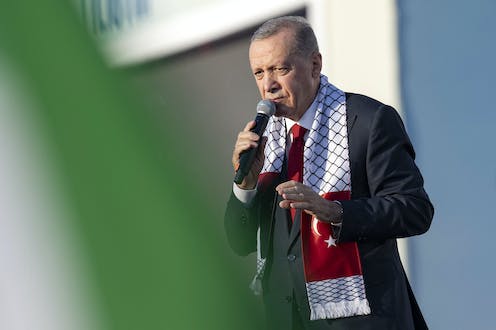
Saudi, Turkish and Pakistani military chiefs were expected to discuss support for Saudi Arabia as escalating Houthi attacks intensify security concerns across the Middle East, while new restrictions on Iranian flights add pressure on Tehran.
The Iran-aligned Houthis have increased attacks against Yemen’s Saudi-backed government and launched missiles and drones toward Saudi territory, disrupting regional oil flows. Saudi authorities said they intercepted six ballistic missiles after the Houthis claimed dozens of strikes on Thursday.
Turkey’s Chief of General Staff, General Selcuk Bayraktaroglu, was due to travel to Saudi Arabia on Friday for talks with his Saudi and Pakistani counterparts. The discussions follow a defense pact signed in August under which an attack on one member is considered an attack on all.
Turkish President Tayyip Erdogan said the agreement could provide intelligence, logistics and ammunition assistance, with more extensive military support possible depending on the threat.
Meanwhile, Washington is increasing economic pressure on Iran through secondary sanctions targeting foreign companies dealing with Iranian firms. Iranian airlines have been barred from neighboring countries including the United Arab Emirates, Oman and Iraq, adding to Tehran’s economic isolation amid a U.S. blockade of Iranian seaports.
Mohammad Mokhber, an adviser to Iran’s supreme leader, criticized regional governments for blocking Iranian flights and warned that Tehran could retaliate against regional aviation access.
The conflict has also disrupted key global energy routes. Houthi activity has affected shipping near the Red Sea, while Iranian restrictions on tanker movements through the Strait of Hormuz have further strained oil supplies.
Diplomatic efforts nevertheless continued in New York. Iranian Foreign Minister Abbas Araqchi said Tehran had presented a proposal through intermediaries to reopen the Strait of Hormuz if Washington meets several conditions, including lifting its port blockade, releasing frozen Iranian funds and waiving oil sanctions.
Under the proposal, hostilities across regional fronts would end within seven days. However, a senior Iranian official said Tehran would make no concessions on its nuclear program.
Oil prices fell more than 2.5% on Friday as expectations of a possible U.S.-Iran truce outweighed concerns about escalating Houthi attacks and further supply disruptions.







