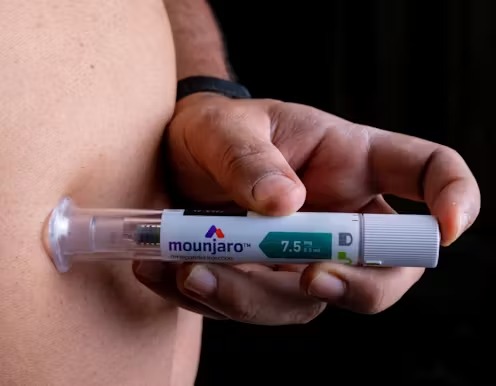
Prescriptions for GLP-1 weight-loss drugs among U.S. children under age 12 have surged more than 300-fold since 2019, as doctors increasingly turn to the medications to treat severe childhood obesity, according to a new study.
The research, published Friday in the journal Pediatrics, examined more than 3.5 million children between eight and 11 years old who had obesity but did not have diabetes. Researchers found that GLP-1 prescriptions increased from just 0.03% in 2019 to 9.3% as of June.
GLP-1 medications are not currently approved for weight loss in children younger than 12. However, clinical guidelines allow doctors to prescribe the drugs for obesity in children as young as eight in certain circumstances.
Most young patients receiving the treatments had significant health concerns. About 94% had severe obesity, while roughly 65% had at least one obesity-related condition, including high cholesterol, high blood pressure or sleep apnea.
A total of 20,282 children received GLP-1 medications during the study period. Novo Nordisk’s Wegovy was the most commonly prescribed drug, while doctors also used the company’s Saxenda and Eli Lilly’s Zepbound.
Lead researcher Dr. Babak Orandi, an obesity medicine specialist at NYU Langone Health, said the overall number of children under 12 receiving GLP-1 drugs remains relatively small. However, the rapid increase highlights growing interest in the medications as a childhood obesity treatment. Orandi said continued monitoring is necessary to assess their long-term safety and effectiveness in younger patients.
The study also identified potential disparities in access. Children living in higher-income communities were 55% more likely to receive GLP-1 prescriptions, raising concerns that cost, insurance coverage and access to pediatric specialists could limit availability for lower-income families.
Researchers analyzed data from Epic Cosmos, a national electronic health records database covering more than 300 million U.S. patients. Epic was not involved in conducting the study.