


 Trump, Xi Focus on Trade and AI at White House Summit
  Fed Unveils Stablecoin Rules Under GENIUS Act
  Dollar Hits Two-Month High as Fed Rate Hike Bets Rise
  Russian Envoy Dmitriev Heads to US for Ukraine Talks
  Oil Prices Ease as Iran Tensions Clash With Diplomacy Hopes
  US Dollar Hits Two-Month High as Fed Rate Hike Bets Rise
  Oil Prices Jump 3% as Houthi Attack Revives Supply Fears
  Wall Street Falls as Treasury Yields Surge, Oil Rebounds on Iran Tensions
  European Stocks Fall as Bond Yields and Geopolitical Risks Weigh
  Oil Prices Surge as U.S.-Iran Diplomacy Hopes Fade
  Gold Prices Fall as Treasury Yields Rise on Fed Rate Hike Bets
  Mexico-US Trade Talks Delayed to October as Tariff Negotiations Continue
  Gold Drops Over 1% as Dollar, Treasury Yields Surge on Fed Rate Hike Bets
  Japan Private-Sector Growth Slows as Domestic Demand Weakens
  Soybean Futures Slip as Traders Await Trump-Xi Trade Signals
  US, China Extend Trade Truce to Jan. 10 Ahead of Trump-Xi Summit
  US Stock Futures Fall as Treasury Yields Surge Ahead of Trump-Xi Summit


 Add as a preferred source on Google
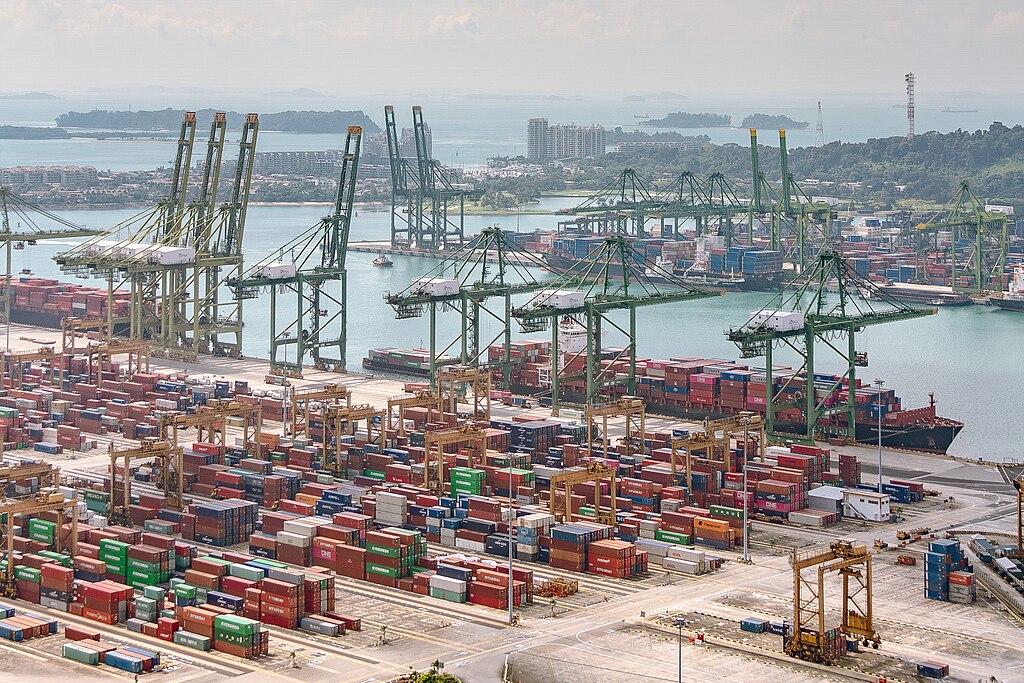
Singapore’s inflation rate remained subdued in May 2026, with both headline and core consumer price inflation coming in below market expectations, reinforcing expectations that the Monetary Authority of Singapore (MAS) may maintain its current monetary policy stance at its upcoming July review.
According to official data released on Tuesday, Singapore’s headline Consumer Price Index (CPI) inflation held steady at 1.8% year-on-year in May, unchanged from April and below economists’ forecast of 2.0%. On a monthly basis, consumer prices increased 0.7%, reversing the 0.3% decline recorded in April.
Core inflation, a key measure closely monitored by the MAS that excludes accommodation and private transport costs, remained unchanged at 1.4% year-on-year. The figure also fell short of expectations for a 1.6% increase and matched the reading from the previous month, signaling that underlying inflationary pressures continue to be contained.
The latest inflation data showed mixed price trends across different sectors of the economy. Services inflation eased to 1.3% in May from 1.5% in April, primarily due to a sharper decline in telecommunication service costs. The moderation in services prices helped offset stronger inflation in other categories.
Food inflation accelerated to 1.8% from 1.6%, reflecting higher costs for certain consumer staples. Accommodation inflation edged up to 0.5% from 0.4%, while private transport inflation increased to 8.6% from 8.1%, driven by rising vehicle-related expenses.
Despite the softer-than-expected inflation readings, the MAS and Singapore’s Ministry of Trade and Industry maintained their outlook that both headline and core inflation will average between 1.5% and 2.5% in 2026. Authorities noted that upside risks remain due to elevated global energy prices and the possibility of supply chain disruptions affecting imported costs.
The inflation report arrives ahead of the MAS monetary policy meeting in July, where policymakers are widely expected to leave policy settings unchanged while continuing to assess domestic demand conditions and external inflation pressures. Market participants will also closely monitor the USD/SGD exchange rate and broader economic indicators for clues on Singapore’s monetary policy direction in the second half of the year.







