


 Trump Signs Executive Order Threatening 25% Tariffs on Countries Trading With Iran
  RBA Raises Interest Rates by 25 Basis Points as Inflation Pressures Persist
  BOJ Rate Decision in Focus as Yen Weakness and Inflation Shape Market Outlook
  Trump’s Inflation Claims Clash With Voters’ Cost-of-Living Reality
  RBI Holds Repo Rate at 5.25% as India’s Growth Outlook Strengthens After U.S. Trade Deal
  Oil Prices Slide on US-Iran Talks, Dollar Strength and Profit-Taking Pressure
  Gold Prices Slide Below $5,000 as Strong Dollar and Central Bank Outlook Weigh on Metals
  Singapore Budget 2026 Set for Fiscal Prudence as Growth Remains Resilient
  Dollar Near Two-Week High as Stock Rout, AI Concerns and Global Events Drive Market Volatility
  Bank of Canada Holds Interest Rate at 2.25% Amid Trade and Global Uncertainty
  ECB’s Cipollone Backs Digital Euro as Europe Pushes for Payment System Independence
  RBA Expected to Raise Interest Rates by 25 Basis Points in February, ANZ Forecast Says
  Federal Reserve Faces Subpoena Delay Amid Investigation Into Chair Jerome Powell
  Why Trump’s new pick for Fed chair hit gold and silver markets – for good reasons


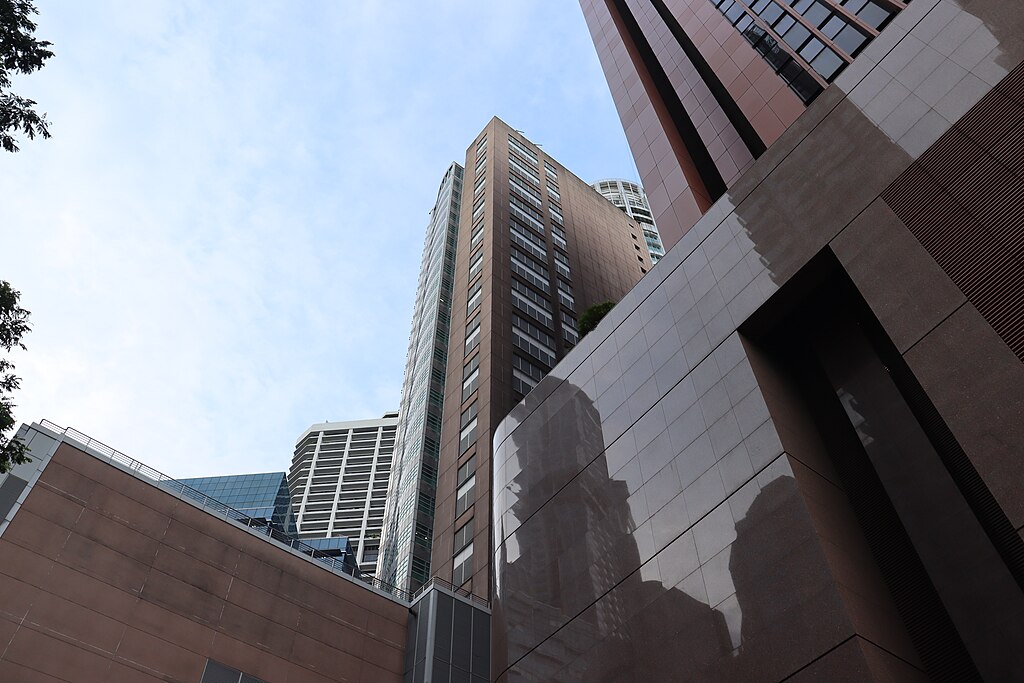
Singapore’s central bank, the Monetary Authority of Singapore (MAS), left its monetary policy unchanged on Wednesday after second-quarter economic growth exceeded expectations. The MAS confirmed it would maintain the current rate of appreciation of its exchange rate-based policy band, with no changes to the width or midpoint.
The decision reflects improved global conditions, with trade tensions easing and financial markets stabilizing since April. “The risk of a sharp step-down in global growth has receded,” MAS said, noting it remains ready to respond to potential risks following two policy easings earlier this year.
Economists, including OCBC’s Selena Ling, highlighted the MAS’s cautious stance, pointing to mixed inflation signals. While tariffs on Chinese exports may curb prices, geopolitical risks and supply chain adjustments could push inflation higher.
Half of analysts surveyed by Reuters had expected MAS to keep policy steady, while the rest anticipated further easing. The central bank previously loosened policy in January and April amid concerns over U.S. tariffs, following a tightening move in October 2022.
Singapore narrowly avoided a technical recession, posting 1.4% quarter-on-quarter growth in Q2 as exporters accelerated shipments ahead of U.S. tariff deadlines. However, authorities warned that growth may slow in the second half of 2025 as frontloading effects fade, with uncertainties extending into 2026.
The government’s GDP forecast was cut in April to between 0% and 2%, down from 1% to 3%. Core inflation fell to 0.6% in June, sharply lower than the 5.5% peak recorded in early 2023.
Singapore manages monetary policy by guiding the Singapore dollar nominal effective exchange rate (S$NEER) through adjustments to the slope, midpoint, and width of its policy band instead of using traditional interest rates.













