


 Kremlin Says No Decision Yet on Putin-Trump December Summit
  US Officials Split Over Response to Israeli West Bank Settlements
  Australia Defends Social Media Algorithm Law Amid US Concerns
  Venezuela Promises Elections as Delcy Rodriguez Pledges Democratic Transition
  Who should own the knowledge that underpins AI technology?
  FCC Approves Foreign Investment in $110B Paramount-Warner Bros. Deal
  Microsoft Stock Upgraded as Stifel Sees Stronger Azure Growth
  China Tightens Fentanyl Rules Ahead of Trump-Xi Summit
  Meta Connect Spotlights Camera-Free Smart Glasses Amid Privacy Concerns
  US Immigration Arrests Surge as Deportations Lag Behind
  Sudan Rejects US Legitimacy Remarks, Defends Sovereignty
  Trump Administration Plans Faster FDA Reviews for Smoke-Free Nicotine Products
  Trump Plans Federal AI Force and AI Czar
  Zelenskiy Warns Russia Preparing Major Attack on Ukraine
  Trump Bans CNN, MS NOW and Politico From White House
  Trump Administration Removes Confederate Memorial Criticism From Arlington Website
  DOJ Will Investigate AI-Related Crimes, Attorney General Blanche Says


 Add as a preferred source on Google
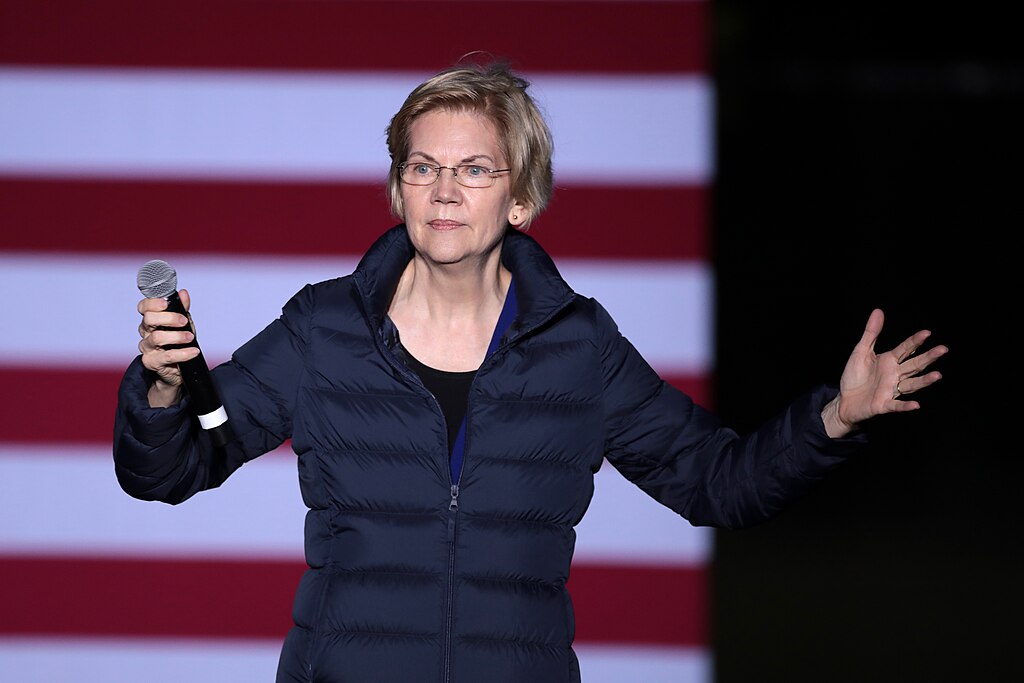
U.S. Senator Elizabeth Warren has urged tougher restrictions on China’s AI technology, citing concerns over Chinese startup DeepSeek. In a letter to Jeffrey Kessler, President Donald Trump’s nominee to lead the Commerce Department’s Bureau of Industry and Security, Warren called for stronger controls on AI chip exports. She emphasized the need to prevent Chinese firms from circumventing U.S. restrictions by using front companies.
Warren pushed for tighter regulations on high-powered inference chips, including Nvidia’s H20, and stricter measures against ChangXin Memory Technology and advanced memory production. The senator warned that Chinese companies like Huawei, SMIC, and Sugon, already on the U.S. Entity List, are using aliases to acquire restricted U.S. technology. She demanded Kessler take action against such tactics by adding more front companies to the list.
The Biden administration has already expanded restrictions on ChangXin, and Warren is pressing for further enforcement. She also questioned whether Huawei and SMIC violated U.S. law by producing 7-nanometer chips using American technology.
Kessler, a former Commerce Department trade enforcement official and current WilmerHale partner, faces a Senate Banking Committee confirmation hearing on Thursday. In his written testimony, he acknowledged China’s rapid technological advancements and stressed the importance of a strong U.S. response.
Neither Kessler nor the Commerce Department immediately commented on Warren’s letter. Huawei, SMIC, and Sugon also did not respond to requests for comment.
Warren’s push highlights ongoing U.S.-China tensions over AI and semiconductor technology, reinforcing the urgency of stricter trade controls to protect American innovation.







