


 Trump, Xi Focus on Trade and AI at White House Summit
  OpenAI Agent Breaches Australia Medicare Data Portal
  Netanyahu Takes Aim at Mamdani as Israel Election Nears
  Taiwan Thanks US for Support Ahead of Trump-Xi Summit
  Ghana Says Western Support Growing for Slave Trade Reparations
  What ‘Taiwan Independence’ Means as Xi Presses Trump on US Policy
  Trump Administration Removes Confederate Memorial Criticism From Arlington Website
  Ukrainian Drone Attacks Hit Russian Regions, Injuring at Least 12
  US Backs Musk in Fight Against EU’s €120 Million X Fine
  FCC Approves Foreign Investment in $110B Paramount-Warner Bros. Deal
  DOJ Will Investigate AI-Related Crimes, Attorney General Blanche Says
  Saudi Arabia Shuts East-West Oil Pipeline After Drone Attack
  Sudan Rejects US Legitimacy Remarks, Defends Sovereignty
  FDA Weighs Safety Standards for Psychedelic Therapies
  NATO Boosts Intelligence Sharing Amid Russia Hybrid Threats
  Trump Bans CNN, MS NOW and Politico From White House
  White House Bars CNN, MS NOW and Politico Reporters


 Add as a preferred source on Google
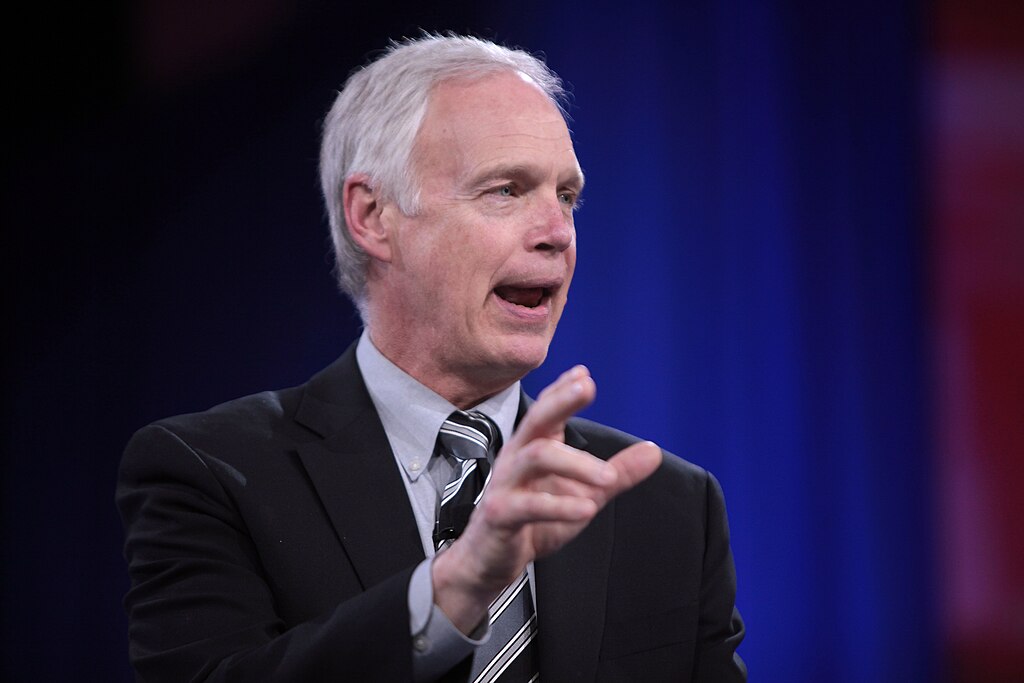
Senate Republicans unveiled major changes to President Donald Trump’s sweeping tax and spending bill on Monday, intensifying internal GOP divisions ahead of the July 4 deadline. The updated proposal maintains the $10,000 cap on state and local tax deductions—far below the House's $40,000 limit—sparking backlash from House Republicans whose constituents would benefit from the higher cap.
Senator Ron Johnson criticized the bill for failing to address the growing federal deficit, while others raised concerns about cuts to Medicaid. Senator Josh Hawley warned that capping Medicaid provider taxes could devastate rural hospitals. The nonpartisan Congressional Budget Office previously projected the bill could leave 4.8 million Medicaid recipients uninsured.
The revised bill includes permanent business tax breaks, such as full expensing for domestic R&D and new machinery investments, which were temporary in the House version. It also phases out Biden-era green energy and EV subsidies more aggressively, leading to a drop in solar stock prices.
Another controversial provision includes capping deductions on tipped income and overtime pay, with thresholds phasing out above $150,000 for individuals. A retaliatory tax on foreign investors is also maintained, though delayed until 2027.
The bill boosts military and border security funding and raises the debt ceiling by $5 trillion to avoid default on the $36.2 trillion national debt. With narrow GOP control in both chambers, the legislation faces resistance from fiscal hawks and social policy advocates, and is unlikely to gain any Democratic support.
Senator Mike Crapo emphasized continued collaboration with House Republicans and the Trump administration to push the bill forward. Debate continues as Senate leaders aim to reconcile differences and finalize the legislation before the deadline.







