


 Dollar Holds Near Two-Month High as Yen Approaches 160
  Judge Orders Trump to Restore White House Access for CNN, MS NOW and Politico
  U.S. 10-Year Treasury Yield Hits 2007 High as Fed Rate Hike Bets Rise
  Trump, Xi Visit US National Archives After White House Summit
  White House Bars CNN, MS NOW and Politico Reporters
  Oil Prices Ease as Iran Tensions Clash With Diplomacy Hopes
  European Stocks Fall as Bond Yields and Geopolitical Risks Weigh
  U.S. Imposes New Visa Restrictions Over South Africa Policies
  OpenAI Agent Breaches Australia Medicare Data Portal
  Oil Prices Jump 3% as Houthi Attack Revives Supply Fears
  US Northeast Airports Resume Operations After Telecom Outage Disrupts Thousands of Flights
  Taiwan Thanks US for Support Ahead of Trump-Xi Summit
  Trump Administration Removes Confederate Memorial Criticism From Arlington Website
  Appeals Court Rejects Trump Third-Country Deportation Policy
  Sudan Rejects US Legitimacy Remarks, Defends Sovereignty
  Fed Unveils Stablecoin Rules Under GENIUS Act
  Netanyahu’s Brief US Trip Highlights Strains With Trump


 Add as a preferred source on Google
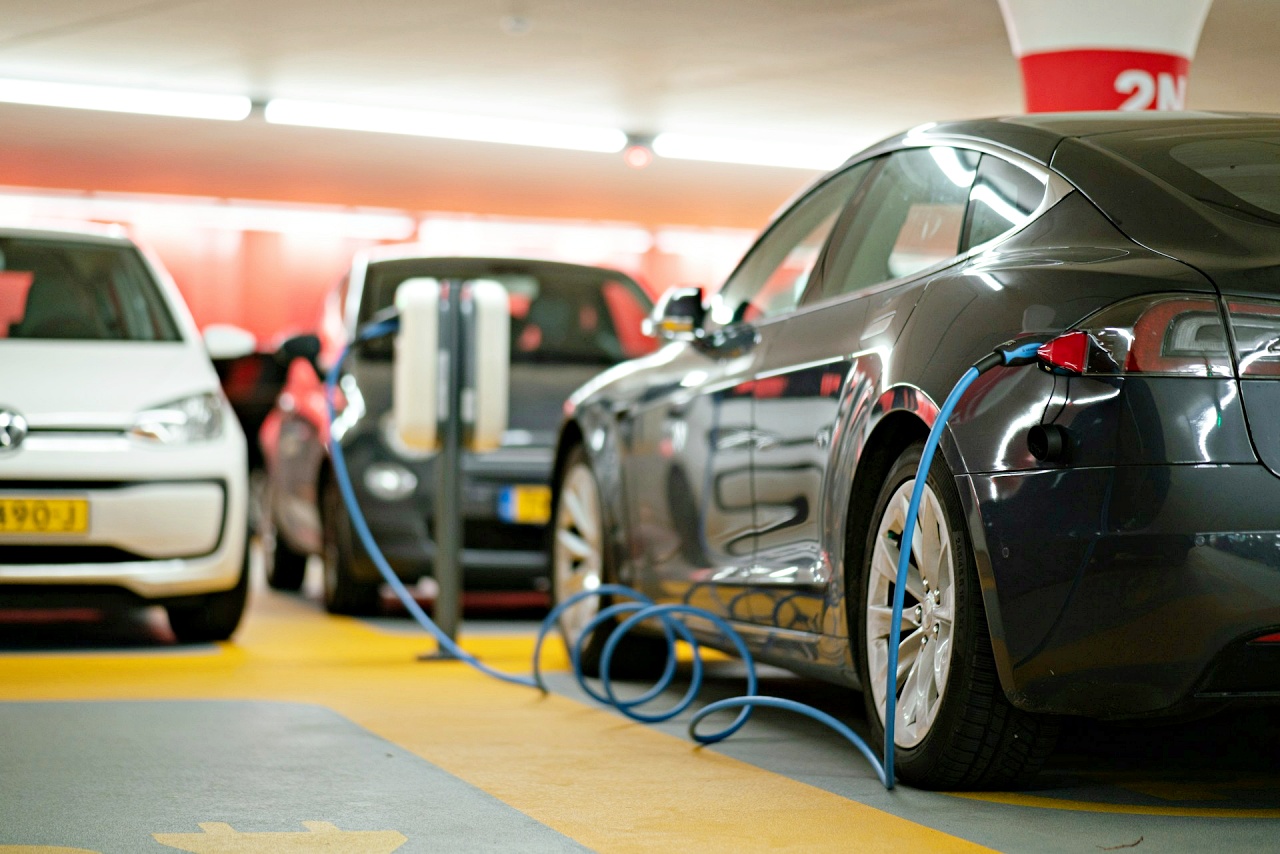
Senate Republicans unveiled a revised tax and budget proposal late Friday that would eliminate key electric vehicle (EV) tax incentives. The new plan calls for ending the $7,500 federal tax credit for new EV purchases and leases on September 30, along with the $4,000 credit for used EVs.
This marks a significant shift from the previous version of the bill, which proposed a 180-day phase-out for credits after the legislation became law. Under the revised plan, tax credits for leased EVs that are not assembled in North America or that fail to meet specific sourcing requirements would be terminated immediately.
The move underscores a broader Republican pushback against the Biden administration’s pro-EV agenda, which aimed to accelerate electric vehicle adoption and reduce carbon emissions through federal incentives. Republicans argue the current subsidies favor higher-income buyers and distort the auto market, while critics say removing the credits could stall progress toward cleaner transportation and impact domestic EV manufacturing.
If enacted, the rollback could have sweeping implications for automakers and consumers alike. Many carmakers, including Tesla, Ford, and GM, have relied on the tax incentives to boost EV sales, while consumers have used the credits to make EV ownership more affordable amid rising vehicle costs.
The proposed legislation is part of a wider GOP strategy to scale back federal spending on clean energy and shift policy focus away from climate-driven investments. Environmental groups and industry stakeholders are expected to challenge the bill, citing its potential to slow down the EV market and hinder U.S. efforts to combat climate change.
With a deadline set for September 30, the debate over EV tax credits is likely to intensify as lawmakers face mounting pressure from both environmental advocates and the auto industry.







