


 Russian Strikes Kill Eight Across Ukraine as Energy Sites Hit
  Trump Says U.S.-Iran Peace Deal Near After UN Talks
  Canada Unveils Bill to Fast-Track Major Resource Projects
  US Officials Split Over Response to Israeli West Bank Settlements
  Lula and Flavio Bolsonaro Tied in Brazil Runoff Poll
  Europe Warns Russia Is Escalating Hybrid Attacks Across NATO
  South Korea, US Discuss Warship Building Cooperation
  Macron Challenges Trump’s Gaza Peace Claims at UN
  Ghana Says Western Support Growing for Slave Trade Reparations
  US, China Extend Trade Truce to Jan. 10 Ahead of Trump-Xi Summit
  Trump Administration Plans Faster FDA Reviews for Smoke-Free Nicotine Products
  US Invites Putin to Miami G20, Opening Door to Trump Summit
  Gaza Faces Evacuation Crisis as War-Damaged Buildings Risk Collapse
  Scott Bessent Eyed as Trump’s New AI Czar
  Burnham Eyes UK Leadership Role in AI Ahead of Trump Meeting
  Zelenskiy Warns Russia Preparing Major Attack on Ukraine
  Trump Meets Venezuela’s Delcy Rodriguez at UN Assembly


 Add as a preferred source on Google
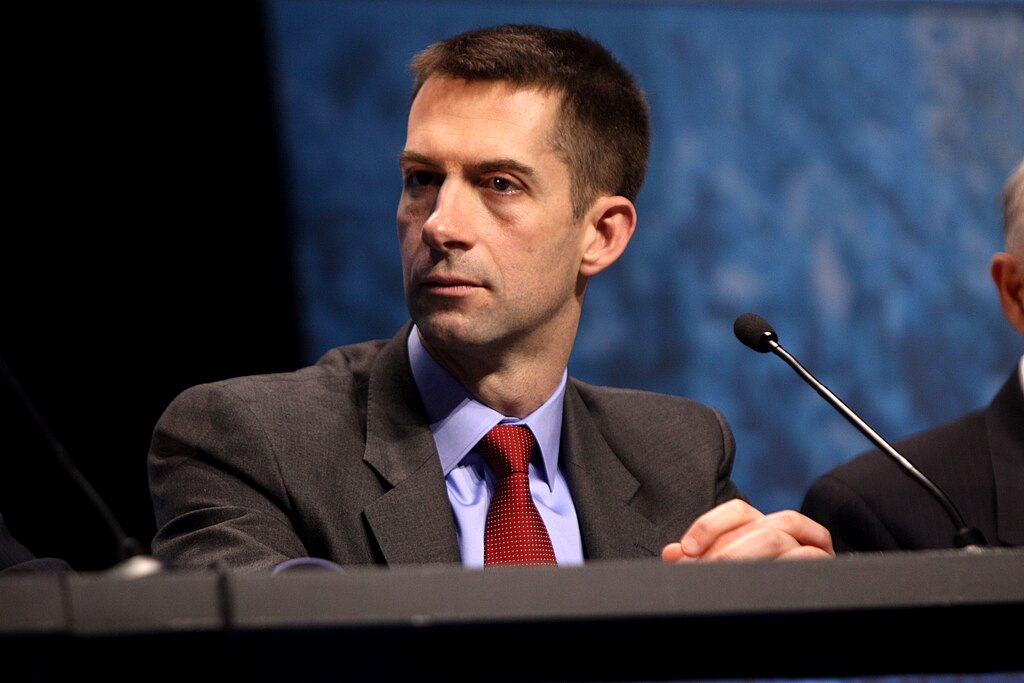
Sen. Tom Cotton (R-Ark.) is reportedly positioned to assume the chairmanship of the Senate Intelligence Committee, according to sources close to congressional leadership. The move would place the staunch conservative and outspoken national security hawk at the helm of one of the most sensitive committees in the Senate, overseeing critical intelligence and national security matters.
Cotton’s alleged appointment is anticipated to mark a significant shift in the Intelligence Committee’s approach to security issues, with an emphasis on aggressive oversight and accountability for U.S. intelligence agencies. Known for his hawkish views on national security and tough stance on foreign adversaries, Cotton has been vocal about the need for stronger U.S. defenses and transparency within the intelligence community.
A New Era of National Security Scrutiny
An aide familiar with the decision told CNN that Cotton’s potential leadership represents a "new era" of national security oversight. “Senator Cotton will ensure that we get the answers the American people deserve about the threats facing our nation,” the aide stated. “He’s not interested in political games — he’s focused on results.”
The Intelligence Committee’s chairmanship comes with significant influence over the country’s intelligence agencies, including the CIA, NSA, and FBI. The chair is responsible for setting the agenda for investigations, hearings, and oversight functions, making Cotton’s rumored ascension a key moment for those tracking the future direction of U.S. intelligence policies.
Critics, however, are concerned about Cotton’s hardline approach. “Senator Cotton’s record shows a preference for militaristic solutions and an aggressive stance that could alienate our allies and complicate diplomatic efforts,” a Democratic aide said. Some Democrats worry Cotton’s leadership may lean heavily toward prioritizing national defense over privacy concerns and civil liberties.
Focus on Transparency and Accountability
Cotton has long championed transparency within government agencies, frequently calling for public accountability. He has promised, if confirmed as chair, to hold intelligence agencies accountable for perceived failures and to closely examine intelligence operations. Cotton’s priorities may include intensified scrutiny of intelligence surrounding foreign threats, particularly from adversaries like China, Russia, and Iran.
“He’s going to hold everyone accountable — no exceptions,” said a Republican aide familiar with Cotton’s approach. “He’s especially keen to investigate any lapses in intelligence gathering and analysis that could jeopardize American security.”
Controversy and Opposition
Cotton’s potential leadership has already sparked backlash among some civil liberties advocates, who fear his approach may threaten individual rights. “Senator Cotton’s focus on security at all costs is concerning,” said a spokesperson for the American Civil Liberties Union. “We urge him to remember that transparency and oversight must not come at the expense of citizens’ constitutional rights.”
Cotton’s previous positions on national security matters have been controversial. His critics argue that his hawkish tendencies may lead to overreach, while his supporters see him as a strong defender of American security interests.
Cotton’s Vision for the Committee
Despite the concerns, Cotton’s supporters say his chairmanship will bring much-needed reform to the Intelligence Committee. “Senator Cotton is committed to ensuring that our intelligence agencies operate with integrity and a clear focus on the threats facing our country,” said a Republican colleague. “He’ll make sure our enemies know we’re watching.”
The rumored appointment of Sen. Tom Cotton to the chair of the Senate Intelligence Committee promises a potentially transformative period for U.S. intelligence policy, with a focus on transparency, accountability, and a tough stance on adversaries. While the decision has yet to be finalized, Cotton’s supporters and detractors are already weighing in, setting the stage for a contentious term.







