


 South Korea, US Discuss Warship Building Cooperation
  Ghana Says Western Support Growing for Slave Trade Reparations
  Russian Envoy Dmitriev Heads to US for Ukraine Talks
  Taiwan Vows to Advance US Arms Sales Ahead of Trump-Xi Meeting
  Kremlin Says No Grounds Yet for Ukraine Peace Talks
  Russian Missile and Drone Attack on Kyiv Kills Two, Damages Maternity Hospital
  Lula and Flavio Bolsonaro Tied in Brazil Runoff Poll
  Mexico-US Trade Talks Delayed to October as Tariff Negotiations Continue
  Trump Administration Plans Faster FDA Reviews for Smoke-Free Nicotine Products
  US Officials Split Over Response to Israeli West Bank Settlements
  Russian Strikes Kill Eight Across Ukraine as Energy Sites Hit
  Zelenskiy Warns Russia Preparing Major Attack on Ukraine
  OpenAI Agent Breaches Australia Medicare Data Portal
  Trump Says ‘Freedom’ Is Coming to Cuba
  Trump to Press Xi on Release of US Nuclear Expert Held in China
  Gaza Faces Evacuation Crisis as War-Damaged Buildings Risk Collapse
  Marco Rubio to Meet Russia’s Lavrov in New York


 Add as a preferred source on Google
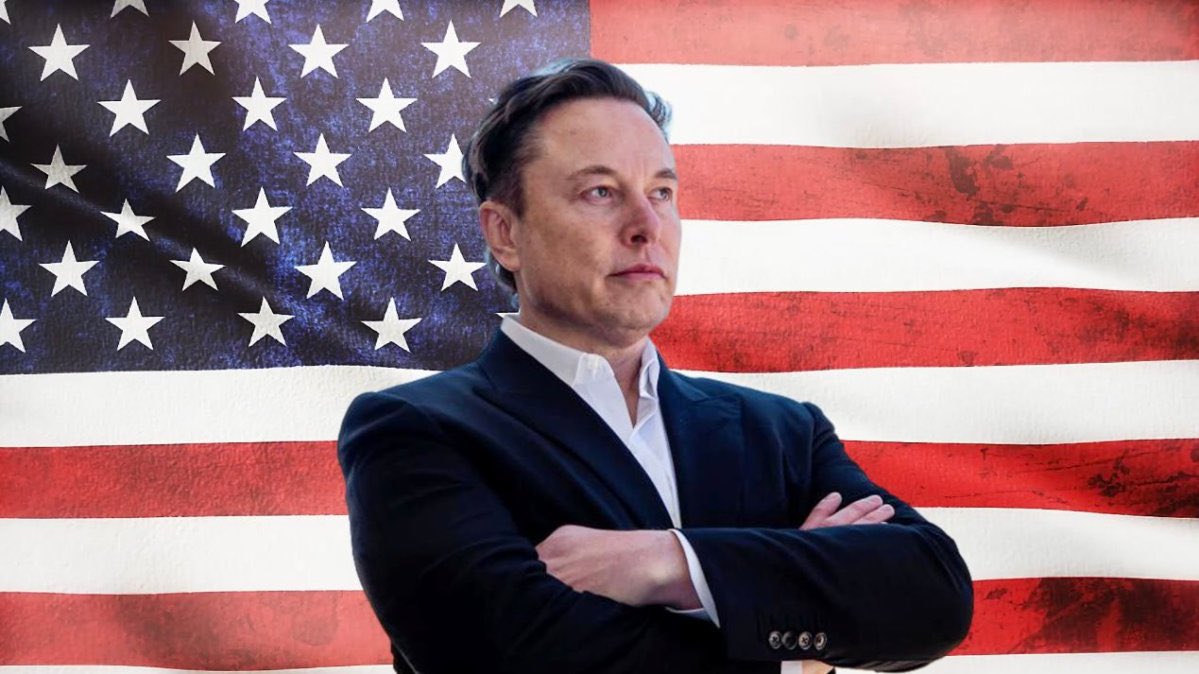
In a bold move, Senator Rand Paul (R-Ky.) has suggested that billionaire entrepreneur Elon Musk should be elected as Speaker of the House. Paul argues that Musk's leadership could effectively "disrupt the swamp" of Washington politics. This proposal comes amid escalating tensions over federal spending and internal conflicts within the Republican Party.
An Unconventional Proposal Amidst Political Turmoil
The Speaker of the House, traditionally a member of Congress, is not constitutionally required to be so. Senator Paul's suggestion to elect Musk, a non-politician, aims to introduce an outsider's perspective into congressional leadership. Paul stated on social media, "Nothing would disrupt the swamp more than electing Elon Musk... think about it... nothing's impossible."
This proposal emerges as the House grapples with internal divisions and debates over government spending. The recent rejection of a bipartisan spending bill, influenced by Musk's opposition, has intensified discussions about leadership and fiscal responsibility.
Support and Skepticism Within Political Circles
Representative Marjorie Taylor Greene (R-Ga.) has expressed openness to the idea, suggesting that Musk's leadership could "shatter the establishment." She stated, "I'd be open to supporting @elonmusk for Speaker of the House... This could be the way."
However, the proposal has been met with skepticism. Analysts question the practicality of Musk balancing his corporate responsibilities with the demands of the Speaker role. Dan Ives, a technology analyst, remarked, "It's more of a fanciful notion than reality."
Public Reaction and Social Media Buzz
The suggestion of Musk as Speaker has ignited a flurry of reactions on social media platforms. Twitter user @LibertyLover commented, "Electing Musk could bring much-needed innovation to Congress." Conversely, @PolicyWonk expressed concern, stating, "This is a distraction from serious governance issues."
User @TechEnthusiast noted, "Musk's problem-solving skills could be beneficial in political leadership." Meanwhile, @PoliticalSkeptic tweeted, "Is this proposal even constitutional? Seems far-fetched."
On the other hand, @FiscalConservative warned, "We need experienced politicians, not tech moguls, leading our legislative body." Finally, @InnovationAdvocate shared, "An outsider's perspective might be exactly what Congress needs right now."
Constitutional Considerations and Historical Context
While the Constitution permits a non-member to serve as Speaker, such an occurrence would be unprecedented. Historically, the role has always been filled by a sitting member of the House. Electing Musk would mark a significant departure from tradition, raising questions about the implications for legislative processes and governance.
Conclusion
Senator Rand Paul's proposal to elect Elon Musk as Speaker of the House underscores the current desire among some lawmakers to introduce unconventional solutions to longstanding political challenges. As debates over government spending and leadership continue, this suggestion adds a provocative element to the ongoing discourse about the future direction of Congress.







