


 Dollar Hits Two-Month High as Fed Rate Hike Bets Rise
  Ghana Says Western Support Growing for Slave Trade Reparations
  Gold Prices Rise as Oil Slide Eases Fed Rate Hike Fears
  Sudan Rejects US Legitimacy Remarks, Defends Sovereignty
  Trump Board of Peace Unveils $2.45 Billion Gaza Recovery Plan
  Venezuela Promises Elections as Delcy Rodriguez Pledges Democratic Transition
  Taiwan Vows to Advance US Arms Sales Ahead of Trump-Xi Meeting
  Oil Prices Ease as Iran Tensions Clash With Diplomacy Hopes
  Mexico-US Trade Talks Delayed to October as Tariff Negotiations Continue
  Oil Prices Rise as U.S.-Iran Talks Fuel Diplomacy Hopes
  China Tightens Fentanyl Rules Ahead of Trump-Xi Summit
  Gold Prices Rise as Oil Slump Eases Fed Rate Hike Fears
  U.S. 10-Year Treasury Yield Hits 2007 High as Fed Rate Hike Bets Rise
  Gold Drops Over 1% as Dollar, Treasury Yields Surge on Fed Rate Hike Bets
  RBA Says ASX Still Falls Short on Governance and Risk Controls
  Zelenskiy Warns Russia Preparing Major Attack on Ukraine
  Asian Currencies Mixed as Dollar Holds Near Two-Month High


 Add as a preferred source on Google
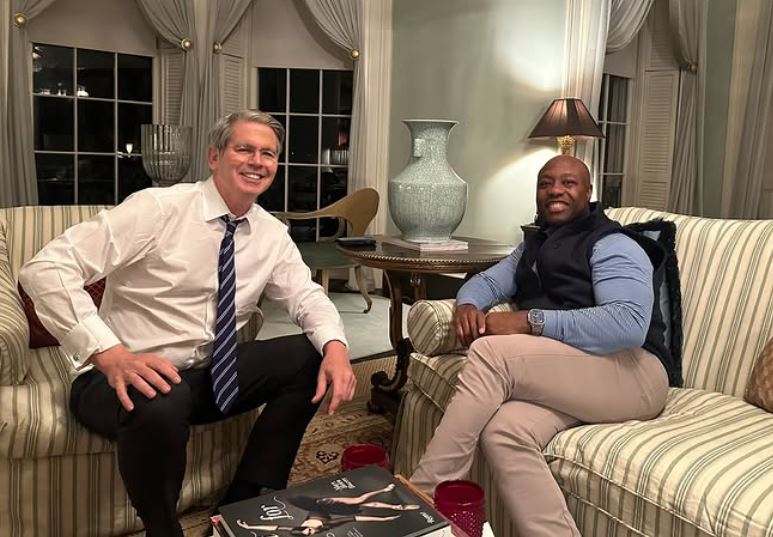
Newly confirmed U.S. Treasury Secretary Scott Bessent is advocating a plan to impose universal tariffs on imports, according to the Financial Times. The proposal suggests starting tariffs at 2.5%, increasing by 2.5% each month, allowing businesses time to adapt and foreign governments to negotiate trade agreements with the U.S.
The tariffs could rise to a maximum of 20%, aligning with former President Donald Trump’s protectionist policies, though the gradual implementation aims to soften immediate economic disruptions. While the plan’s adoption by other administration members remains uncertain, sources say it reflects Bessent's moderate stance in Trump's cabinet, contrasting the President’s hawkish trade rhetoric.
Trump recently threatened 25% tariffs on Colombia over immigration policies, later retracting the move after compliance from Bogotá. This raised concerns about potential tariffs on key trading partners, including China, Mexico, and Canada. The President has initiated a review of trade relations with major economies, the results of which may shape his future tariff policies.
Bessent’s approach is expected to balance Trump’s hardline stance with a more calculated strategy, aiming to stabilize trade relationships while advancing U.S. economic interests.
This development comes as global markets watch closely for the administration’s next steps, with businesses and foreign governments bracing for potential shifts in trade policy. Whether the universal tariff plan gains traction remains to be seen, but its gradual rollout could mitigate backlash while driving negotiations toward favorable terms for the U.S.
This strategic move could redefine trade dynamics, positioning Bessent as a key figure in shaping U.S. economic policy.







