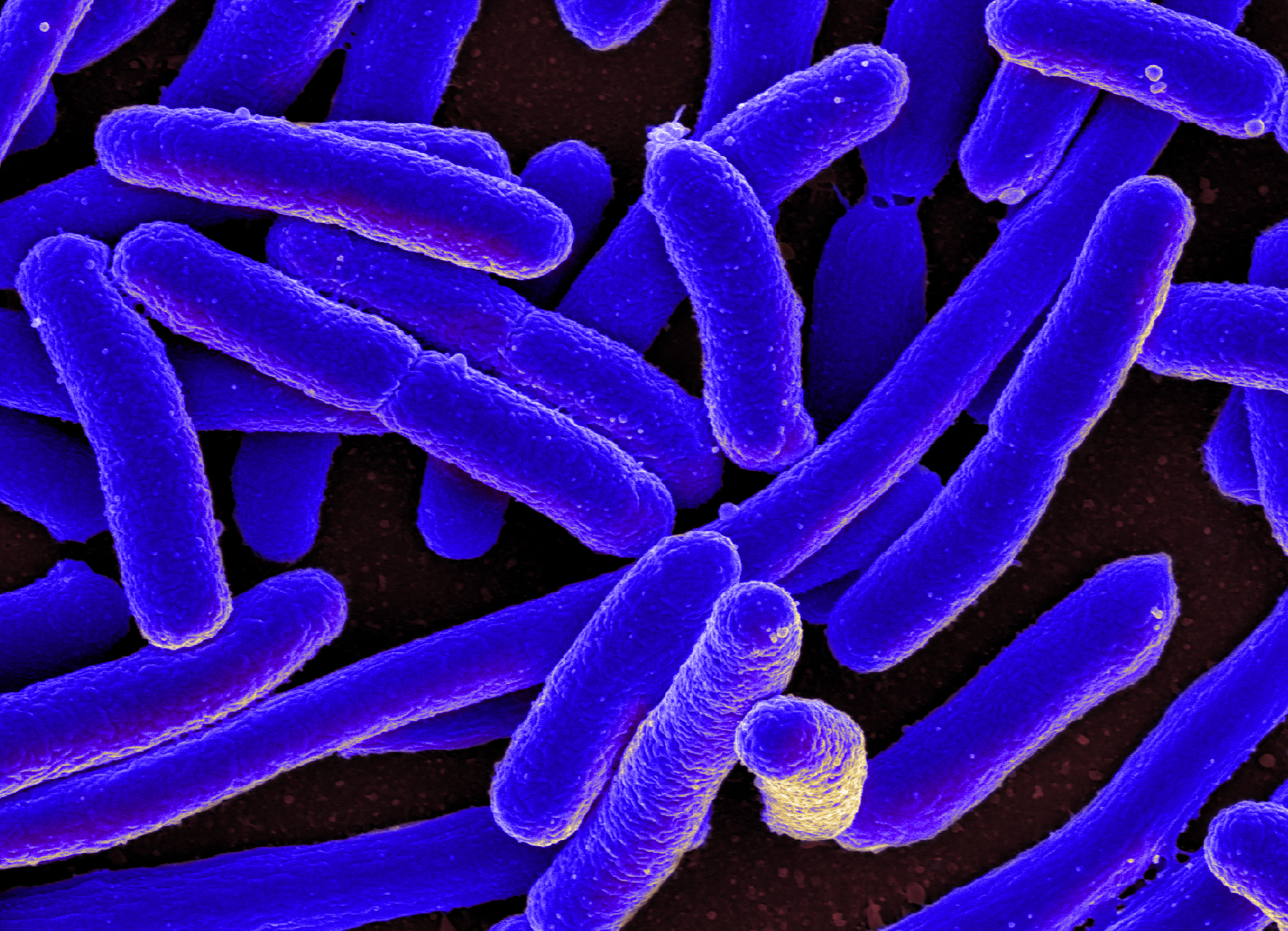
CRISPR is the gene-altering super tool that a lot of scientists have been itching to take for a spin and now, it seems one group has managed to create something rather interesting. They basically turned the bacteria strain known as Escherichia coli (E. coli) into a microscopic tape recorder. This could potentially turn the deadly germ into a medical spy.
Although this news might seem like scientists playing around, it can actually have a much bigger impact on the medical industry. What the researchers from the Columbia University Medical Center (CUMC) achieved is essentially allowing doctors to record the changes that the patient’s body undergo when the E. coli enters their system.
They chose the bacteria specifically because it can retain information, Futurism reports. As CUMC Departments of Pathology & Cell Biology and Systems Biology assistant professor, Harris Wang explains, it could provide a view into a microscopic world that doctors have never seen before.
“Such bacteria, swallowed by a patient, might be able to record the changes they experience through the whole digestive tract, yielding an unprecedented view of previously inaccessible phenomena,” Wang said.
Now, before anyone gets the wrong idea here, the genetically modified E. coli does not actually record visual data. It does not act like a smartphone camera. Rather, it simply stores information that could give scientists an idea of what transpired in the body as it was happening when the bacteria passed through, Science Alert reports.
This development could only lead to further advancements in the field of genetic engineering and medicine, as well as other fields that CRISPR could be used in. The gene-editing tool is proving to be more and more revolutionary with every new discovery made using it. This particular case could actually provide doctors with days’ worth of data on the changes inside the bodies of patients.