


 What ‘Taiwan Independence’ Means as Xi Presses Trump on US Policy
  OpenAI Agent Breaches Australia Medicare Data Portal
  White House Bars CNN, MS NOW and Politico Reporters
  Appeals Court Rejects Trump Third-Country Deportation Policy
  Synthetic data could ease people’s concerns about privacy breaches. But who gets to create it?
  Xi Calls for Deeper U.S.-China AI Cooperation in Trump Talks
  Pentagon Restarts Testosterone Testing for US Troops
  Kremlin Says No Decision Yet on Putin-Trump December Summit
  Nvidia-Groq AI Chip Deal Faces U.S. Antitrust Probe
  Australia Tightens Student Visa Rules, Targets Migration Cut by 2028
  North Korea Rejects Nuclear Test Warning, Calls Nuclear Status Irreversible
  China Reviews Broadcom Switch Use in State Data Centres
  Trump Scales Back Endangered Species Act Protections
  Netanyahu Defends Israel at UN as Delegates Stage Walkout
  Pezeshkian Says US Must Choose When Iran War Ends
  FCC Approves Foreign Investment in $110B Paramount-Warner Bros. Deal
  Who should own the knowledge that underpins AI technology?


 Add as a preferred source on Google
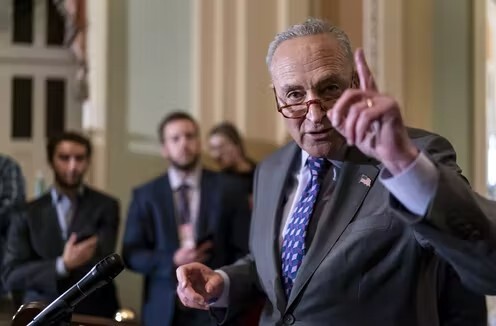
U.S. Senate Democratic Leader Chuck Schumer introduced the Presidential Airlift Security Act on Monday, aiming to ban the use of foreign aircraft as Air Force One—the official plane for the U.S. president. The move comes after reports that President Donald Trump intends to accept a $400 million jet from Qatar’s royal family, raising ethical and legal concerns over foreign gifts and national security.
Schumer’s legislation would prevent the Department of Defense from spending any funds to acquire or retrofit foreign aircraft for presidential use. Experts warn that modifying Qatar’s luxury jet to meet Air Force One standards would require costly upgrades, including missile defense systems, secure communications, and anti-surveillance measures. By comparison, Boeing’s current project to build two new Air Force One aircraft has already surpassed $5 billion in costs.
Although the bill is unlikely to pass due to Republican majorities in both chambers of Congress—and the high likelihood of a presidential veto—it underscores mounting opposition to the Qatar deal. Schumer also vowed to block all Justice Department nominees until the agency discloses its knowledge of the foreign offer.
Republican lawmakers have also expressed unease about accepting the Qatari aircraft, despite Trump’s dismissal of the controversy. The former president called it “stupid” to turn down the high-end jet.
Legal experts argue that accepting such a gift could violate the U.S. Constitution’s Emoluments Clause, which restricts foreign government influence. As scrutiny builds, the political and legal fallout over the potential Air Force One replacement may continue to dominate headlines in Washington.







