


 Yemen Violence Displaces 130,000 as Civilian Toll Rises
  US Court Approves airBaltic Chapter 11 Restructuring
  Xi Calls for Deeper U.S.-China AI Cooperation in Trump Talks
  Najib Razak Granted House Arrest Until 2028
  NATO Boosts Intelligence Sharing Amid Russia Hybrid Threats
  DOJ Will Investigate AI-Related Crimes, Attorney General Blanche Says
  Meta Found Liable in New Mexico Facebook Data Privacy Case
  Putin Says Ukraine Peace Proposals Remain on Table
  North Korea Warns South Korea Over US-Led Defense Role
  Appeals Court Rejects Trump Third-Country Deportation Policy
  SEC Seeks ISS Client Voting Records in Proxy Adviser Probe
  Evan Gershkovich Says FSB Set Trap for 2023 Russia Arrest
  LVMH-Hermès Dispute Deepens Over Secret 2002 Share Deal
  Mahmoud Khalil Sues Columbia Over Alleged Pro-Palestinian Harassment
  US Comfortable With Canada Trade Standoff as Import Bans Loom
  Netanyahu Defends Israel at UN as Delegates Stage Walkout
  France Defends Netanyahu Airspace Clearance Despite ICC Warrant


 Add as a preferred source on Google
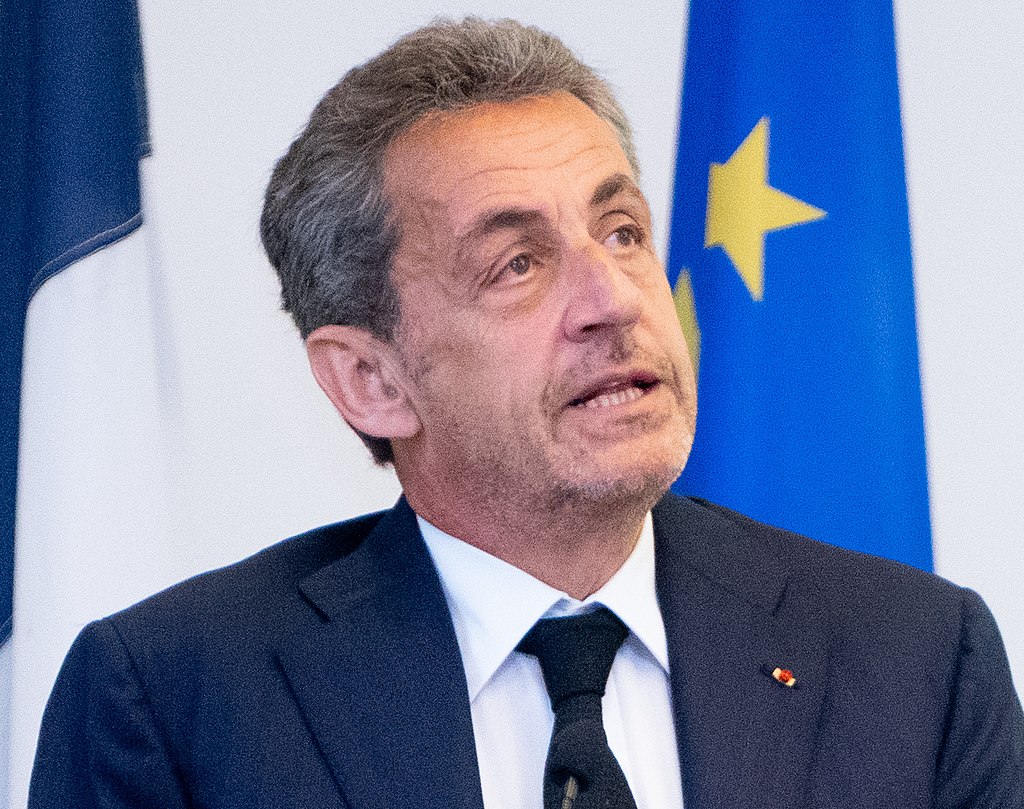
Former French President Nicolas Sarkozy has been handed a five-year prison sentence for criminal conspiracy tied to illegal campaign financing from Libya, becoming the first post-war president to face imprisonment. The ruling, enforceable immediately, marks a turning point in France’s political and judicial landscape, fueling debates about judicial impartiality and political accountability. Sarkozy maintains his innocence, insisting the decision undermines public trust in France’s justice system.
Judges in France have increasingly enforced “provisional execution” sentences, meaning punishment begins before appeals are completed. This trend reflects a growing public demand for integrity among elected officials. According to judicial union leaders, nearly 90% of sentences over two years are now applied immediately, following parliamentary mandates for tougher sanctions against political corruption. While some see this as a necessary step to curb impunity, critics argue it blurs the line between justice and politics.
The ruling carries significant political weight, especially as far-right leader Marine Le Pen faces her own legal battle. Convicted in March for embezzling EU funds, Le Pen was given a five-year political ban under provisional execution, preventing her from running in the 2027 presidential race unless her January appeal succeeds. She has condemned Sarkozy’s case as proof that courts are abusing the measure, calling it a threat to democracy.
Reactions across France are deeply divided. Conservative figures like Senate chief Gérard Larcher warned that provisional execution undermines the right to appeal, while left-wing lawmakers praised the decision as proof that political elites are not above the law. Former officials such as Brigitte Barèges, who was acquitted on appeal after a similar sentence, argue the justice system has become politicized.
As debate intensifies, Prime Minister Sébastien Lecornu stressed that if provisional execution laws spark controversy, it is up to parliament to revisit them. Sarkozy’s conviction not only reshapes his legacy but also casts uncertainty over France’s political future, particularly with Le Pen’s potential candidacy hanging in the balance.







