


 Tabletop particle accelerator could transform medicine and materials science
  Neuralink Expands Brain Implant Trials with 12 Global Patients
  Trump Signs Executive Order to Boost AI Research in Childhood Cancer
  Eli Lilly’s Inluriyo Gains FDA Approval for Advanced Breast Cancer Treatment
  Trump Administration to Launch Autism Initiatives Targeting Acetaminophen Use and New Treatment Options
  Senate Sets December 8 Vote on Trump’s NASA Nominee Jared Isaacman
  Cogent Biosciences Soars 120% on Breakthrough Phase 3 Results for Bezuclastinib in GIST Treatment
  SpaceX Prioritizes Moon Mission Before Mars as Starship Development Accelerates
  Neuren Pharmaceuticals Surges on U.S. Patent Win for Rare Disorder Drug
  FDA Lifts REMS Requirement for CAR-T Cell Cancer Therapies
  Is space worth the cost? Accounting experts say its value can’t be found in spreadsheets
  Trump and Merck KGaA Partner to Slash IVF Drug Costs and Expand Fertility Coverage
  SpaceX Starship Test Flight Reaches New Heights but Ends in Setback


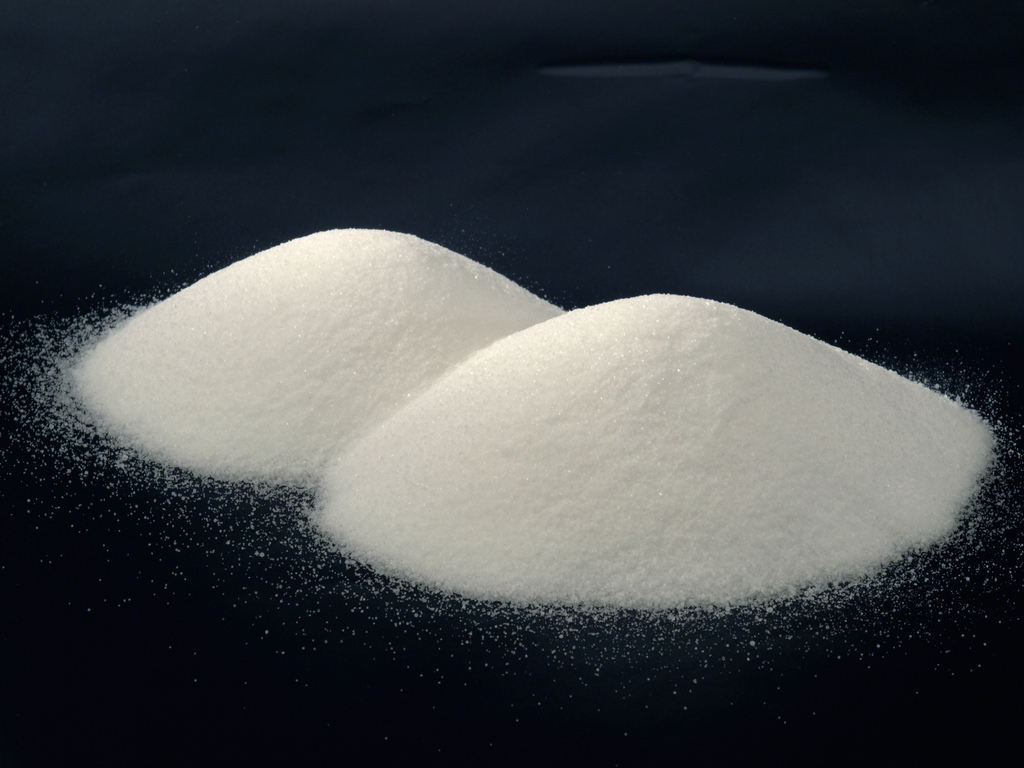
In movies, whenever a bomb goes off or an explosion occurs, there is that iconic moment where sounds are muffled and there is a high-pitched ring that pervades the whole scene. While films can go over-the-top with regards to this particular scenario, people actually can go deaf in real life following a severely loud noise. With the help of salt that is injected directly into the eardrums, however, a study shows that this could be prevented.
Researchers at the University of Southern California’s (USC’s) Keck School of Medicine has been studying noise-induced hearing loss (NIHL) and according to their findings, two things happen to the cochlea when exposed to loud noise. One is the death of several hairs in the cochlea and the other is the buildup of potassium-rich liquid. This was according to a paper published in PNAS.
“Hearing loss often occurs because the cochlea is the body’s most sensitive pressure transducer. Here, we used in vivo imaging of the mouse cochlea using optical coherence tomography to show that increased endolymph volume correlates with damage to the auditory synapse. Reducing endolymph volume by increasing perilymph tonicity treated the synaptic loss. Therefore, this study identifies a treatment for noise-induced hearing loss. Furthermore, it suggests that this treatment may help patients with Meniere’s disease, a disabling syndrome of vertigo and hearing loss due to increased endolymph volume,” the paper reads.
Basically, by injecting a solution of salt into the eardrum of the affected person, it could prevent the kind of damage that would render them deaf afterward. As Futurism notes, this could come with a variety of uses, including allowing soldiers to keep their comrades from going deaf by simply carrying vials of salt solutions in combat.
The researchers are hoping that they can move on to human trials soon. In due time, perhaps instances of hearing loss following sudden loud or prolonged noises can be reduced.













