


 Asian Markets Hold Steady Ahead of Trump's Iran Deadline as Oil Tops $110
  Asian Stocks Surge as U.S.-Iran Ceasefire Deal and Samsung Earnings Boost Market Confidence
  Neuralink Plans High-Volume Brain Implant Production and Fully Automated Surgery by 2026
  Senate Sets December 8 Vote on Trump’s NASA Nominee Jared Isaacman
  Asian Currencies Rally as Dollar Weakens, Trump-Iran Ceasefire Boosts Risk Sentiment
  RBI Holds Interest Rates Steady Amid Middle East Tensions and Global Uncertainty
  SpaceX Prioritizes Moon Mission Before Mars as Starship Development Accelerates
  Neuren Pharmaceuticals Surges on U.S. Patent Win for Rare Disorder Drug
  Astronomers have discovered another puzzling interstellar object − this third one is big, bright and fast
  SpaceX’s Starship Completes 11th Test Flight, Paving Way for Moon and Mars Missions
  Sterling Slides as Dollar Holds Firm Amid U.S.-Iran Tensions
  Energy Prices and Dollar Climb as U.S.-Iran Conflict Grips Global Markets
  Trump Suspends Iran Strikes for Two Weeks as Ceasefire Talks Begin
  Cogent Biosciences Soars 120% on Breakthrough Phase 3 Results for Bezuclastinib in GIST Treatment


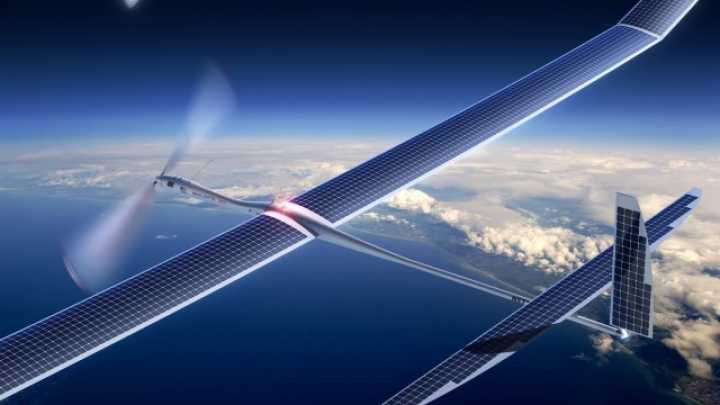
South Korea will invest 37.47 billion won in developing a solar-powered drone that could carry over 20 kilograms in the stratosphere and with natural disaster monitoring capability by 2025.
The drone will serve as an affordable alternative to their observation satellites, according to the Ministry of Science and ICT. It also won't create any space trash.
The ministry added that the solar-powered drone will be able to continuously fly in the stratosphere for over one month.
Last year, the solar-powered drone that the Korea Aerospace Research Institute has been developing since 2010 completed a 53-hour flight that included 16 hours in the stratosphere, which is 10 to 50 kilometers above the Earth's surface.
South Korea plans to commercialize flying drone taxis by 2025.







