


 Xi Calls for Deeper U.S.-China AI Cooperation in Trump Talks
  Trump, Xi Visit US National Archives After White House Summit
  North Korea Rejects Nuclear Test Warning, Calls Nuclear Status Irreversible
  Judge Orders Trump to Restore White House Access for CNN, MS NOW and Politico
  Netanyahu’s Brief US Trip Highlights Strains With Trump
  Ukrainian Drone Attacks Hit Russian Regions, Injuring at Least 12
  Taiwan Thanks US for Support Ahead of Trump-Xi Summit
  OpenAI Agent Breaches Australia Medicare Data Portal
  Netanyahu Defends Israel at UN as Delegates Stage Walkout
  Trump Asks Supreme Court to Restore Third-Country Deportations
  US Senate Rejects Iran War Powers Resolution in 50-49 Vote
  South Korea, US Discuss Warship Building Cooperation
  North Korea Warns South Korea Over US-Led Defense Role
  EU Defence Build-Up Too Slow for 2030 Russia Readiness Goal
  Najib Razak Seeks Stay of 15-Year 1MDB Prison Sentence
  Trump, Xi Focus on Trade and AI at White House Summit
  Pezeshkian Says US Must Choose When Iran War Ends


 Add as a preferred source on Google
Rwanda and the Democratic Republic of Congo signed a U.S.-brokered peace agreement on Friday, offering hope to end a deadly conflict that has killed thousands and displaced hundreds of thousands in eastern Congo. The deal, signed in Washington with U.S. Secretary of State Marco Rubio, includes Rwanda’s commitment to withdraw its troops from Congo within 90 days and launch a regional economic integration framework.
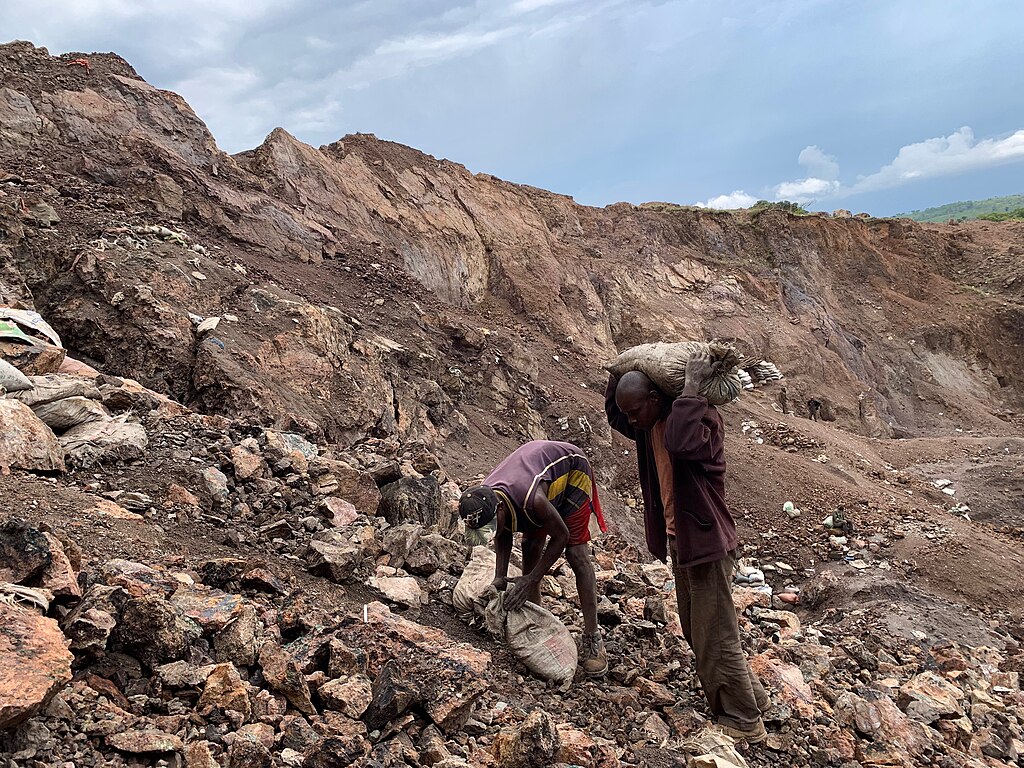
The U.S., aiming to secure mineral rights in the region rich in cobalt, lithium, copper, and tantalum, played a key role in mediating the deal. President Donald Trump, who met the foreign ministers of both nations in the Oval Office, emphasized that the U.S. would enforce the agreement, warning of “severe penalties” for violations.
The peace agreement also backs ongoing Qatar-hosted talks between Congo and M23 rebels, with both nations agreeing to a joint security mechanism within 30 days. A separate economic framework tied to critical mineral supply chains will be finalized in a future White House event, involving Presidents Félix Tshisekedi and Paul Kagame.
Analysts note this marks a rare breakthrough in the decades-long regional conflict rooted in the 1994 Rwandan genocide. However, past peace efforts have repeatedly failed. The agreement includes provisions to monitor Rwanda’s military withdrawal and halt Congo's operations against the FDLR, a Hutu militia linked to the genocide.
Trump’s senior Africa adviser, Massad Boulos, referred to the broader initiative as the “Washington Accord,” positioning the U.S. as a key player in stabilizing the resource-rich Great Lakes region. Political analysts say sustained U.S. pressure will be vital to ensure long-term peace and economic cooperation.
The deal links regional stability with foreign investment, signaling a shift in approach to resolving Africa’s mineral-fueled conflicts.







