


 Nike Earnings at Risk as UBS Cuts Price Target to $42
  US Federal Register Drops Alibaba Qwen AI Search Tool
  Meta Partners With Shopify to Bring Shop Pay Checkout to Muse AI
  NASA, Boeing Discuss Expanding Starliner Missions
  Nvidia CEO Jensen Huang Expected at Trump-Xi State Dinner
  Westinghouse Targets $50 Billion Valuation in U.S. IPO
  France Urges Faster AI Push Despite Safety Risks
  Who should own the knowledge that underpins AI technology?
  Rosenblatt Starts Nokia at Buy on AI Networking Growth
  Scott Bessent Eyed as Trump’s New AI Czar
  Novo Nordisk Weighs Direct NYSE Listing to Boost U.S. Profile
  Petrobras Joins Brazil’s New Diesel Subsidy Program
  Cathie Wood Backs AI Slowdown as Safety Concerns Grow
  Microsoft Stock Upgraded as Stifel Sees Stronger Azure Growth
  US Northeast Airports Resume Operations After Telecom Outage Disrupts Thousands of Flights
  CNN, MS NOW and Politico Sue Trump Over White House Media Ban
  SpaceX Nasdaq 100 Weight to More Than Double in Rebalance


 Add as a preferred source on Google
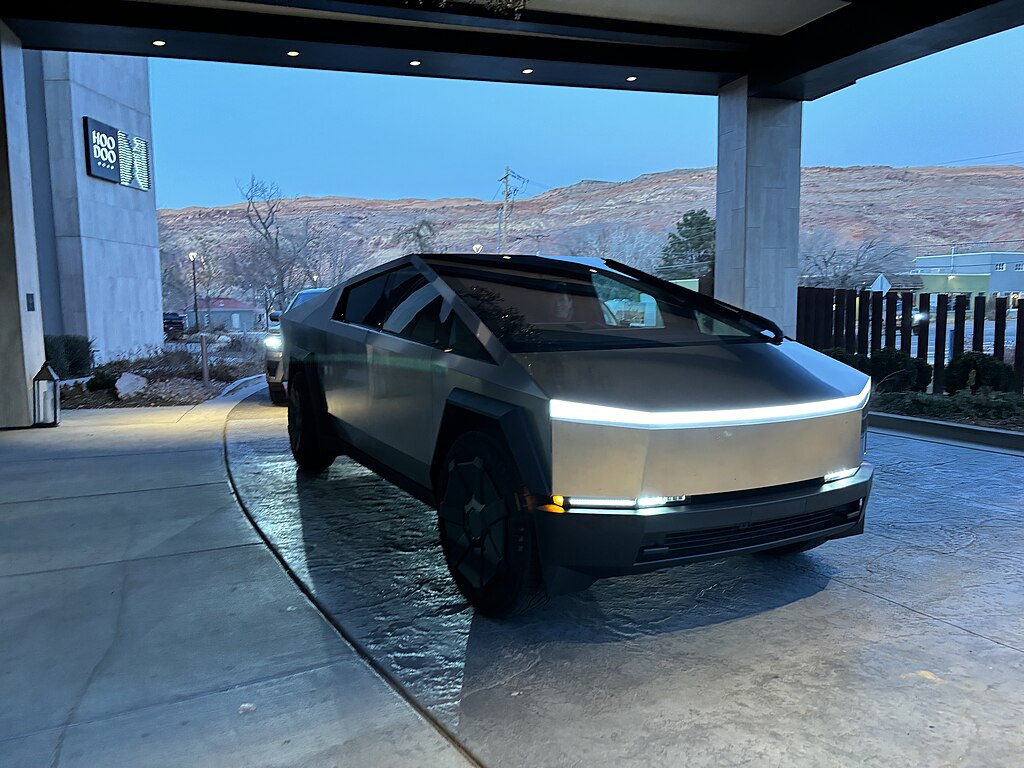
Russian warlord Ramzan Kadyrov criticized Elon Musk after Tesla remotely deactivated his Cybertruck, which Kadyrov claims was a personal gift. Musk's actions came after concerns were raised about the vehicle's use in violation of international sanctions against Russia.
Elon Musk Faces Backlash from Russian Warlord Ramzan Kadyrov Over Tesla Cybertruck Deactivation
In recent times, Elon Musk has seemed constantly embroiled in controversy. Tesla's CEO faces criticism from international figures, including Brazilian Supreme Court Judge Alexandre de Moraes and Russian warlord Ramzan Kadyrov, who have expressed their anger at Musk for separate reasons. This is in addition to his frequent criticism at home for his polarizing views. The weight of these controversies is a testament to Musk's public image.
Kadyrov, the de facto ruler of the Chechen Republic in Russia, is notably enraged by Tesla's remote deactivation of his Cybertruck. According to Wccftech, it was reported that Kadyrov had acquired the Cybertruck last month and installed a machine gun on it, which caused concern because Russia is still subject to severe international sanctions.
The warlord asserts that the Cybertruck was a personal gift from Musk and has publicly expressed gratitude to the CEO. He has also invited Musk to visit Grozny, the capital of the Chechen Republic. Nevertheless, it is more probable that the electric vehicle was acquired illegally, which prompted Tesla to turn it off remotely.
Kadyrov responded by critiquing Musk's actions: "This is not a kind act." From his heart, Musk creates costly gifts that he then remotely deactivates.
Elon Musk Sparks Conflict in Brazil, Defying Judge's Order to Block Access to X Platform
In the interim, Musk is confronted with a distinct conflict in Brazil. Musk went so far as to ridicule the judge's orders after refusing to comply with Judge de Moraes' demands to block access to X (formerly Twitter) in the country. In retaliation, de Moraes implemented a nationwide prohibition on the social media platform and a daily fine of 50,000 Reais ($8,900) for users who attempted to circumvent the ban using VPNs.
In his decision, de Moraes stated, "Elon Musk showed his total disrespect for Brazilian sovereignty and, in particular, for the judiciary, setting himself up as a true supranational entity and immune to the laws of each country."
Musk's actions continue to incite controversy on numerous fronts, with tensions escalating domestically and internationally. The gravity of these tensions underscores the significance of Musk's controversies and their potential impact on global affairs.







