


 Trump Says ‘Freedom’ Is Coming to Cuba
  Lula and Flavio Bolsonaro Tied in Brazil Runoff Poll
  Taiwan Vows to Advance US Arms Sales Ahead of Trump-Xi Meeting
  OpenAI Agent Breaches Australia Medicare Data Portal
  China Tightens Fentanyl Rules Ahead of Trump-Xi Summit
  Iran Vows ‘Crushing’ Response as US Talks Continue
  Russian Envoy Dmitriev Heads to US for Ukraine Talks
  Sudan Rejects US Legitimacy Remarks, Defends Sovereignty
  Macron Challenges Trump’s Gaza Peace Claims at UN
  Trump Administration Plans Faster FDA Reviews for Smoke-Free Nicotine Products
  Gaza Faces Evacuation Crisis as War-Damaged Buildings Risk Collapse
  Kremlin Says No Grounds Yet for Ukraine Peace Talks
  Trump Meets Venezuela’s Delcy Rodriguez at UN Assembly
  South Korea, US Discuss Warship Building Cooperation
  Europe Warns Russia Is Escalating Hybrid Attacks Across NATO
  Russian Missile and Drone Attack on Kyiv Kills Two, Damages Maternity Hospital
  Ghana Says Western Support Growing for Slave Trade Reparations


 Add as a preferred source on Google
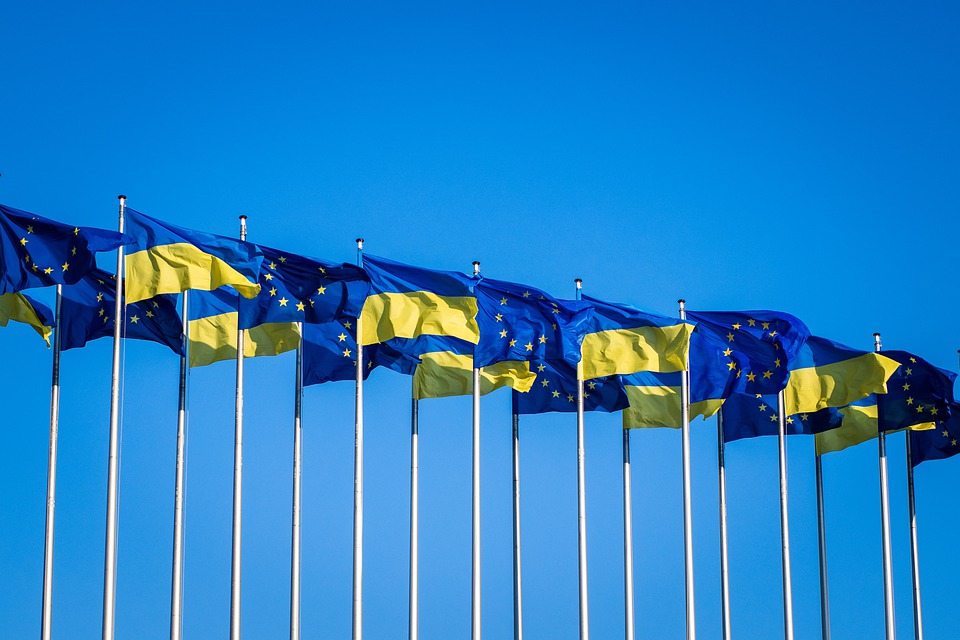
The European Union’s executive branch announced that the bloc has given its final approval on a new set of sanctions to impose on Russia over the war. The new sanctions follow the nuclear threats levied by Moscow as well as the order of partial mobilization and the claims of annexation.
The European Commission said Wednesday that the bloc has given its final approval on a new set of sanctions on Russia over the war. The bloc took action following the Kremlin’s nuclear threats as well as Vladimir Putin’s order for Russian reserve troops to partially mobilize, and Putin’s claim to annex four territories of Ukraine.
“I welcome the member states’ agreement today on the eighth sanctions package,” said European Commission President Ursula von der Leyen. “We will never accept Putin’s sham referenda nor any kind of annexation in Ukraine. We are determined to continue making the Kremlin pay.”
The new sanctions include additional restrictions on trade with Russia on steel and tech products as well as an oil price cap for Russian seaborne crude deliveries to third countries through European insurers that are meant to align the EU with the United States.
The new sanctions will also target more individuals in the Russian defense ministry and individuals that are involved in Russia’s annexation of four Ukrainian territories, and those that bypass existing sanctions.
The agreement will be formalized by Thursday if no member country has any last-minute objections to the new sanctions. As the sanctions require unanimous agreement from all the countries in the bloc, the new restrictions appear to be more modest compared to what the countries that sought a tougher stance on Russia proposed.
The EU’s executive branch has also started consulting with member countries on a proposal to ease state aid rules and make amendments for nations to support their economies as the war continues.
The state aid rules are important to preserve fair competition among the 27 member countries in the bloc and prevent their respective governments from subsidizing their industries to give them a competitive advantage over the other countries that are part of the bloc.
The issue was first raised last week when Germany announced a support program for its economy of up to $198 billion, which is a number that no other country in the bloc can match.







