


 San Francisco Halts New Data Center Construction With 45-Day Moratorium
  Merz Warns of Extremism After AfD Gains Power in Saxony-Anhalt
  Lincoln University Students Sue Missouri Over Decades of Underfunding
  US Pressures Allies to Distance From Anti-Disinformation Conference
  JD Vance Says Iran Must Cut Nuclear Enrichment to End War
  Rapidus Seeks Chip Customers as Japan Pushes 2nm Semiconductor Revival
  Trump Says He Deserves 2026 Nobel Peace Prize Despite Uncertain Chances
  Trump Envoy Meets Sudan Army Chief in Egypt
  Russia Targets Danish Ukraine Suppliers in Sabotage Campaign
  France Student Protests Intensify Nationwide
  Mike Rogers Calls for End to US-Canada Tariff War
  Zelenskiy Warns Russia Is Preparing Massive Attack on Ukraine
  Saudi Airport Attacks Kill Three as Yemen Fighting Escalates
  US-Led Coalition Targets Global Factory Overcapacity
  Trump Backs Florida Golf Course as Presidential Retreat
  Iran Tanker Attacks Surge as Hormuz Oil Flows Near Prewar Levels
  Trump Weighs FBI Probe Into Nolan Wells’ Death


 Add as a preferred source on Google
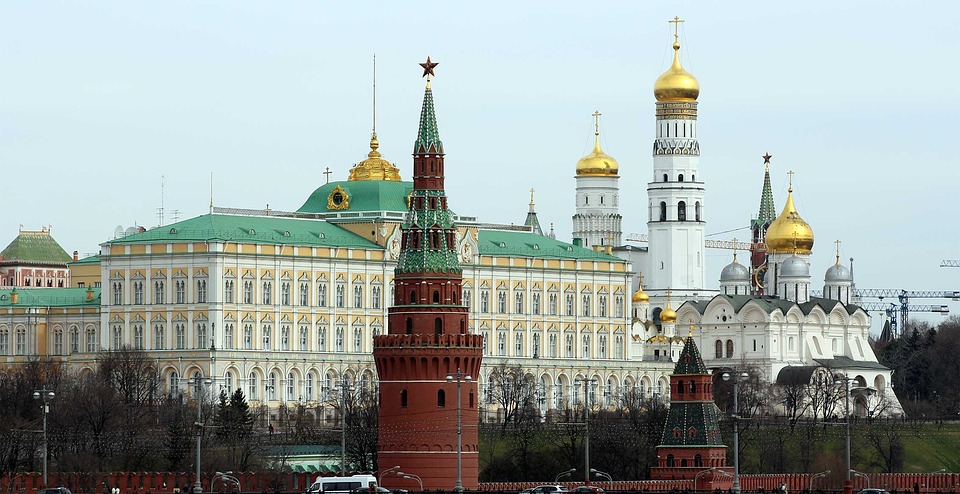
With Russia appearing unwilling to cease its attacks on Ukraine, the West has ramped up its pressure to deter Moscow. The US has unveiled its new round of sanctions on Russia, targeting more individuals, including Russian dictator Vladimir Putin’s own daughters.
Washington announced the new set of sanctions on Russia Wednesday. The new round of sanctions includes a total ban on investments in Russia, as well as sanctions on the country’s largest financial institution Sberbank and the largest privately-owned financial institution Alfa Bank.
The sanctions are also targeting the two adult daughters of Putin, and the wife and daughter of Russian foreign minister Sergey Lavrov.
“The sad reality is Putin’s war will make it harder for Russians to travel abroad. It means their debit cards may not work. They may only have the option to buy knockoff phones and knockoff clothes. The shelves of stores may be empty,” a senior Biden administration official told reporters, noting that Russians may return to living standards seen during the Soviet Union’s rule.
The new sanctions also come as the West has accused Russia of committing war crimes following the surfacing of atrocities committed by Russian forces in the Ukrainian town of Bucha. The sanctions were imposed in coordination with the members of the G7 group of countries and the European Union, according to the White House.
US President Joe Biden on Wednesday stressed that sanctions were already impacting Russia’s economy, and vowed to continue efforts to further isolate Russia. The White House also invoked the human rights abuses by Russian forces in Ukraine during the unveiling of the sanctions.
Regardless of the new sanctions, Russia has continued to bomb regions of Ukraine as it bombed Kharkiv and Mariupol. Mariupol has already been bombarded by Russian attacks since the start of Russia’s invasion of Ukraine. Tens of thousands of Ukrainians were trapped in the city without food, water, or power.
Ukraine’s deputy prime minister Iryna Vereshchuk said officials would try to evacuate as many residents as possible through 11 humanitarian corridors that were established Wednesday, although people trying to leave would have to use their own vehicles.







