


 Trump to Press Xi on Release of US Nuclear Expert Held in China
  US Invites Putin to Miami G20, Opening Door to Trump Summit
  South Korea, US Discuss Warship Building Cooperation
  Trump Says ‘Freedom’ Is Coming to Cuba
  Russian Missile and Drone Attack on Kyiv Kills Two, Damages Maternity Hospital
  Kremlin Says No Decision Yet on Putin-Trump December Summit
  OpenAI Agent Breaches Australia Medicare Data Portal
  Trump Board of Peace Unveils $2.45 Billion Gaza Recovery Plan
  Venezuela Promises Elections as Delcy Rodriguez Pledges Democratic Transition
  Kremlin Says No Grounds Yet for Ukraine Peace Talks
  US, China Extend Trade Truce to Jan. 10 Ahead of Trump-Xi Summit
  Marco Rubio to Meet Russia’s Lavrov in New York
  Russian Strikes Kill Eight Across Ukraine as Energy Sites Hit
  Gaza Faces Evacuation Crisis as War-Damaged Buildings Risk Collapse
  Europe Warns Russia Is Escalating Hybrid Attacks Across NATO
  Trump Administration Plans Faster FDA Reviews for Smoke-Free Nicotine Products
  Zelenskiy Warns Russia Preparing Major Attack on Ukraine


 Add as a preferred source on Google
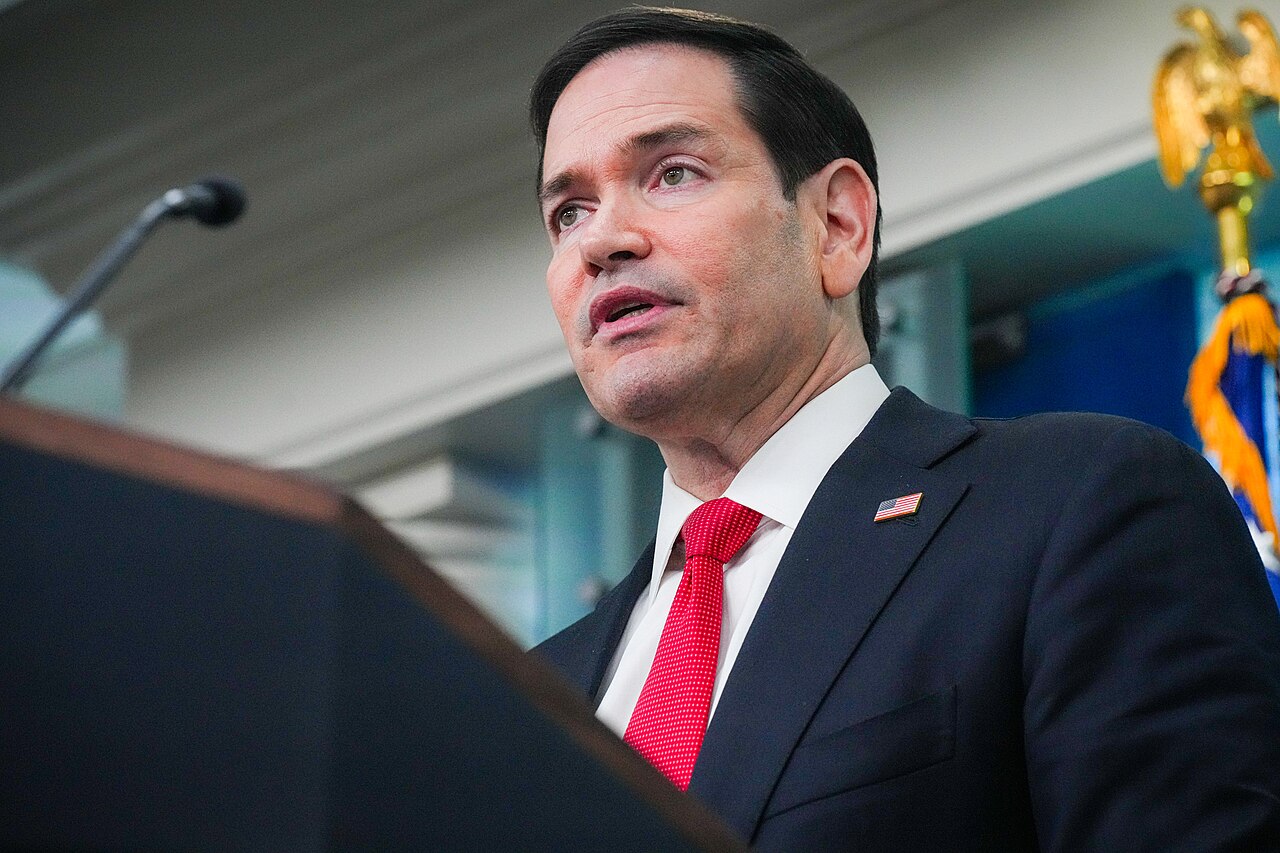
U.S. Secretary of State Marco Rubio told lawmakers on Tuesday that the Trump administration is actively working to find solutions for more than 1,100 Afghan refugees stranded in Qatar and does not intend to force them back to Afghanistan.
Speaking before Congress, Rubio said U.S. officials have already held discussions with at least five countries that may be willing to accept the displaced Afghans. The individuals have been living at Camp As Sayliyah, a former U.S. military installation in Qatar, after their resettlement process was halted.
The Afghan refugees are among thousands who assisted U.S. forces, government agencies, and international organizations during the two-decade American presence in Afghanistan. Many fear persecution and retaliation from the Taliban because of their previous connections to the United States and its allies.
The situation developed after President Donald Trump’s administration suspended refugee resettlement efforts for many Afghans awaiting relocation. As a result, more than 1,100 people have remained at Camp As Sayliyah since early last year, facing uncertainty about their future.
Rubio emphasized that the administration recognizes the risks these Afghans could face if returned to their home country. He noted that the U.S. government is exploring international partnerships to secure safe relocation options rather than sending them back to Afghanistan.
Human rights advocates and refugee organizations have repeatedly expressed concern about the fate of Afghan nationals who supported U.S. operations and remain vulnerable under Taliban rule. Many have urged Washington to accelerate resettlement programs and provide long-term protection for those at risk.
The ongoing discussions with potential host nations could offer a path forward for the stranded refugees. While no final agreements have been announced, the administration’s efforts suggest a commitment to finding alternative destinations for the Afghans currently housed in Qatar.
The future of Afghan refugee resettlement remains a significant issue in U.S. foreign policy, with lawmakers, advocacy groups, and international partners closely monitoring developments as the search for permanent solutions continues.







