


 France Defends Netanyahu Airspace Clearance Despite ICC Warrant
  Mexico-US Trade Talks Delayed to October as Tariff Negotiations Continue
  Europe Warns Russia Is Escalating Hybrid Attacks Across NATO
  North Korea Rejects Nuclear Test Warning, Calls Nuclear Status Irreversible
  Judge Orders Trump to Restore White House Access for CNN, MS NOW and Politico
  Russian Missile and Drone Attack on Kyiv Kills Two, Damages Maternity Hospital
  South Korea, US Discuss Warship Building Cooperation
  Sudan Rejects US Legitimacy Remarks, Defends Sovereignty
  US Invites Putin to Miami G20, Opening Door to Trump Summit
  NATO Boosts Intelligence Sharing Amid Russia Hybrid Threats
  OpenAI Agent Breaches Australia Medicare Data Portal
  Trump Administration Plans Faster FDA Reviews for Smoke-Free Nicotine Products
  Netanyahu Takes Aim at Mamdani as Israel Election Nears
  Venezuela Promises Elections as Delcy Rodriguez Pledges Democratic Transition
  Netanyahu Defends Israel at UN as Delegates Stage Walkout
  Gaza Faces Evacuation Crisis as War-Damaged Buildings Risk Collapse
  Trump Asks Supreme Court to Restore Third-Country Deportations


 Add as a preferred source on Google
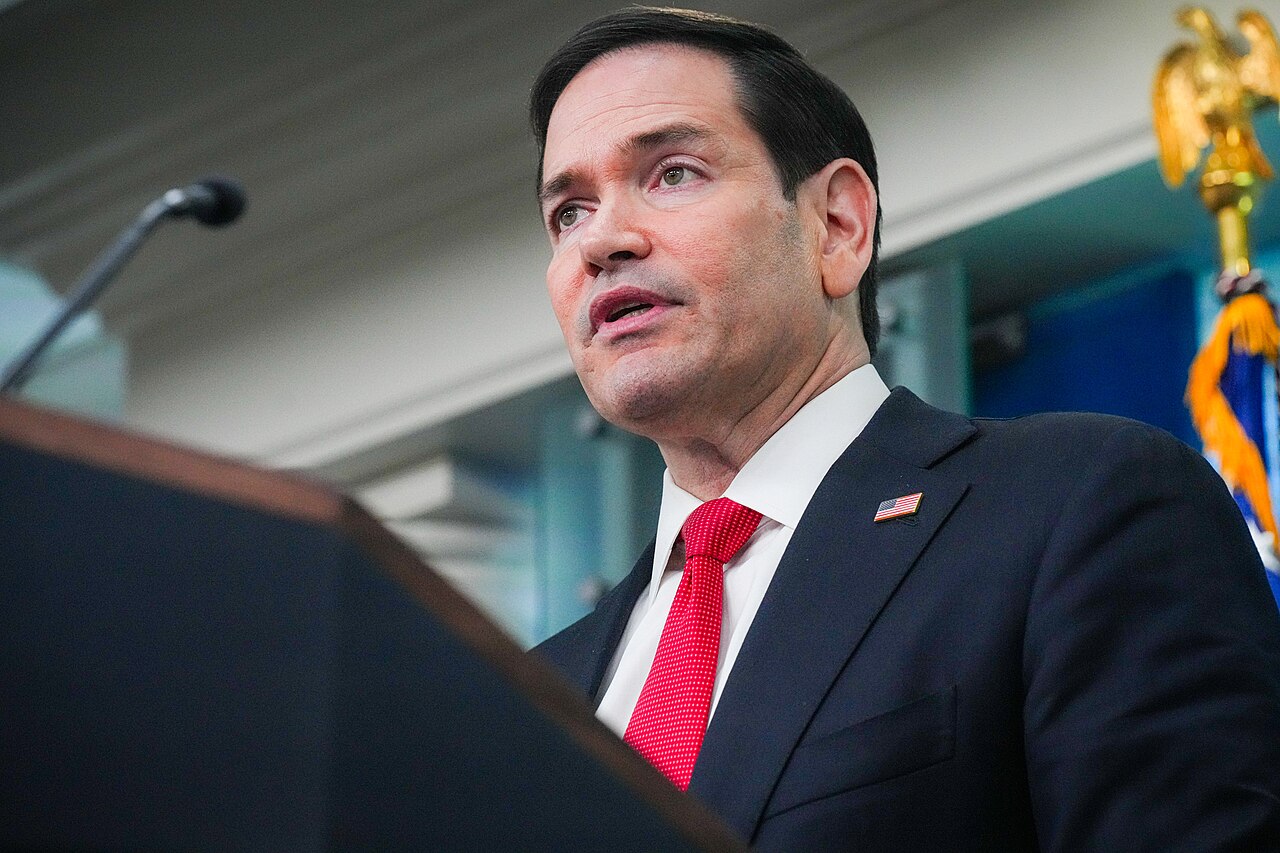
U.S. Secretary of State Marco Rubio is set to meet NATO foreign ministers in Sweden on Friday amid rising tensions over the Iran war and growing uncertainty surrounding America’s future role in the alliance. The meeting comes after President Donald Trump openly criticized NATO members and raised doubts about Washington’s commitment to the military bloc.
Before departing for the NATO talks in Helsingborg, Rubio said Trump was frustrated with countries that refused to allow the United States to use military bases during the recent U.S.-Israeli campaign against Iran. Spain was specifically criticized for denying access to American operations.
Rubio questioned Spain’s role in NATO, arguing that alliance members should support collective security efforts. While he acknowledged that several NATO countries had cooperated by allowing the use of airspace and military facilities, he emphasized the need for further discussions about burden-sharing within the alliance.
Trump has repeatedly accused NATO allies of failing to contribute enough to military operations and defense spending. His remarks about potentially withdrawing the United States from NATO have increased concerns across Europe about the future stability of the alliance.
European officials attending the Sweden meeting are expected to reassure Washington by offering greater support for security operations, including protecting navigation routes through the Strait of Hormuz. The waterway remains strategically important after Iran restricted maritime traffic during the conflict.
Tensions have also intensified following the U.S. announcement that 5,000 troops will be withdrawn from Europe. Initial reports suggested forces would leave Germany, although U.S. officials later clarified that a planned brigade deployment to Poland would instead be delayed.
In addition, Washington reportedly plans to reduce the military capabilities it provides NATO during crises and has canceled plans to deploy Tomahawk missiles in Germany. NATO officials, however, insist the changes will occur gradually, giving European allies time to strengthen their own defense capabilities and reduce dependence on the United States.







