


 Netanyahu’s Brief US Trip Highlights Strains With Trump
  NATO Boosts Intelligence Sharing Amid Russia Hybrid Threats
  Netanyahu Takes Aim at Mamdani as Israel Election Nears
  Trump Administration Plans Faster FDA Reviews for Smoke-Free Nicotine Products
  Asian Currencies Mixed as Dollar Holds Near Two-Month High
  Japan Private-Sector Growth Slows as Domestic Demand Weakens
  EU Defence Build-Up Too Slow for 2030 Russia Readiness Goal
  US Dollar Hits Two-Month High as Fed Rate Hike Bets Rise
  Oil Prices Jump 3% as Houthi Attack Revives Supply Fears
  Dollar Hits Two-Month High as Fed Rate Hike Bets Rise
  Trump, Xi Focus on Trade and AI at White House Summit
  Gaza Faces Evacuation Crisis as War-Damaged Buildings Risk Collapse
  France Defends Netanyahu Airspace Clearance Despite ICC Warrant
  US Stock Futures Fall as Treasury Yields Surge Ahead of Trump-Xi Summit
  US Senate Rejects Iran War Powers Resolution in 50-49 Vote
  North Korea Rejects Nuclear Test Warning, Calls Nuclear Status Irreversible
  Oil Prices Extend Losses as U.S.-Iran Talks Ease Supply Fears


 Add as a preferred source on Google
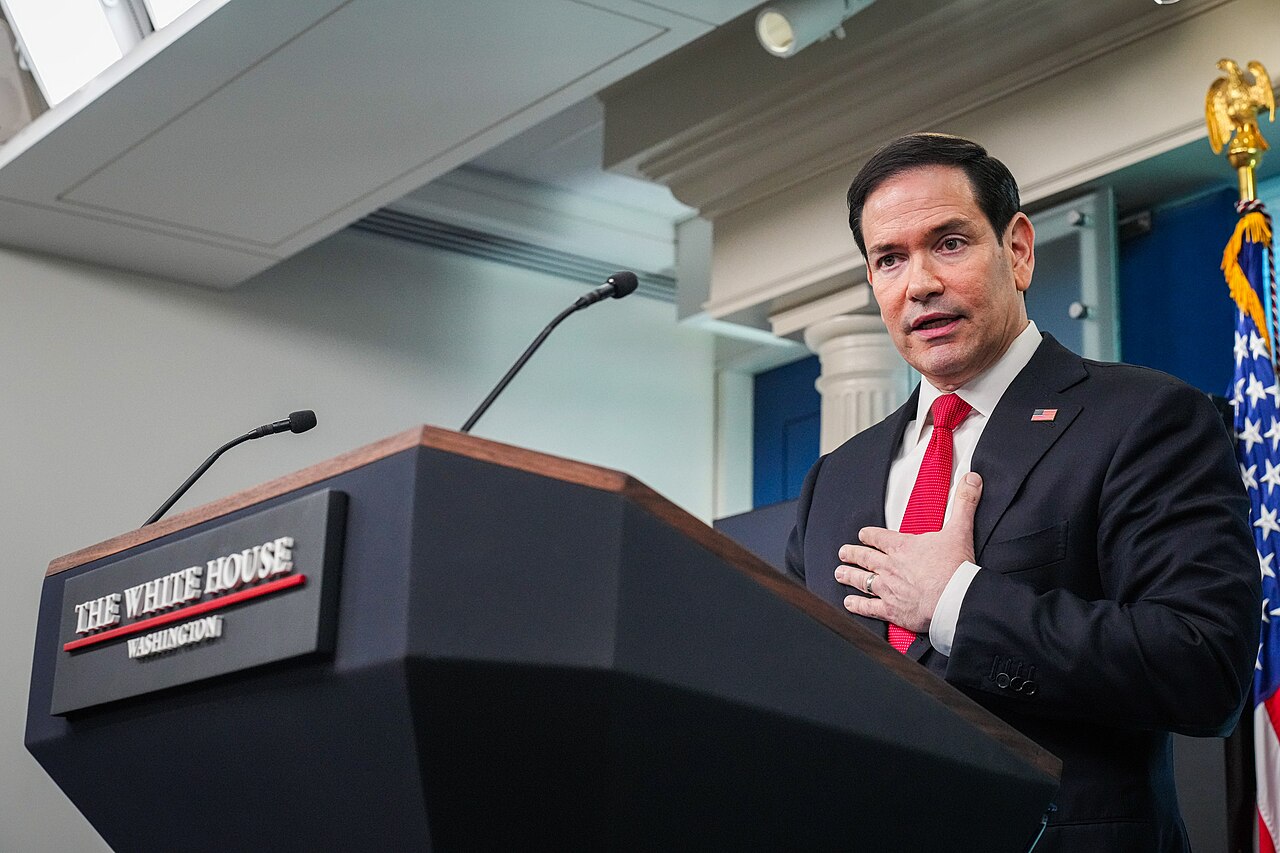
U.S. Secretary of State Marco Rubio and Indian Foreign Minister Subrahmanyam Jaishankar held high-level talks on Saturday, focusing on the Iran conflict, maritime security, trade relations, visa issues, and energy cooperation. The meeting highlighted the growing strategic partnership between the United States and India amid rising geopolitical tensions in the Middle East and Indo-Pacific region.
Rubio stated that significant progress had been achieved over the past 48 hours regarding efforts to ease tensions around the Strait of Hormuz, a critical global shipping route for oil supplies. He suggested that positive developments could emerge soon as diplomatic discussions continue. Rubio also reaffirmed Washington’s position that Iran must never obtain nuclear weapons and condemned attacks on commercial vessels in the region as illegal.
The Strait of Hormuz remains a major concern for global energy markets because a large percentage of the world’s oil exports pass through the narrow waterway. India, one of the world’s largest energy importers, emphasized the importance of maintaining secure maritime routes and uninterrupted energy supplies.
Jaishankar noted that India and the United States share common interests and global challenges. He said both countries discussed accelerating negotiations for a bilateral trade agreement while also addressing visa-related difficulties faced by Indian professionals working in the United States.
Rubio described India as one of America’s most important strategic partners and stressed cooperation on counterterrorism, energy security, technology, and defense. He also revealed that U.S. President Donald Trump had invited Indian Prime Minister Narendra Modi to visit the White House in the near future.
The talks come as India closely monitors U.S. diplomatic engagement with China and Pakistan while continuing its long-standing policy of strategic autonomy, maintaining relations with countries such as Iran and Russia. Expanding U.S.-India cooperation is increasingly viewed as a key factor in balancing China’s growing influence across the Indo-Pacific region.







