


 Oil Prices Ease as Iran Tensions Clash With Diplomacy Hopes
  Gold Drops Over 1% as Dollar, Treasury Yields Surge on Fed Rate Hike Bets
  US, China Extend Trade Truce to Jan. 10 Ahead of Trump-Xi Summit
  Trump, Xi Focus on Trade and AI at White House Summit
  Asian Stocks Fall as Bond Yields Surge Ahead of Trump-Xi Summit
  US Stock Futures Fall as Treasury Yields Surge Ahead of Trump-Xi Summit
  Japan Private-Sector Growth Slows as Domestic Demand Weakens
  Gaza Faces Evacuation Crisis as War-Damaged Buildings Risk Collapse
  China’s ‘Lipstick King’ Says AI Won’t Replace Livestream Hosts
  OpenAI Agent Breaches Australia Medicare Data Portal
  Mexico-US Trade Talks Delayed to October as Tariff Negotiations Continue
  Taiwan Thanks US for Support Ahead of Trump-Xi Summit
  US Officials Split Over Response to Israeli West Bank Settlements
  Netanyahu Defends Israel at UN as Delegates Stage Walkout
  Netanyahu’s Brief US Trip Highlights Strains With Trump
  South Korea, US Discuss Warship Building Cooperation
  RBI Uses $10 Billion Currency Swaps to Drain Excess Rupee Liquidity


 Add as a preferred source on Google
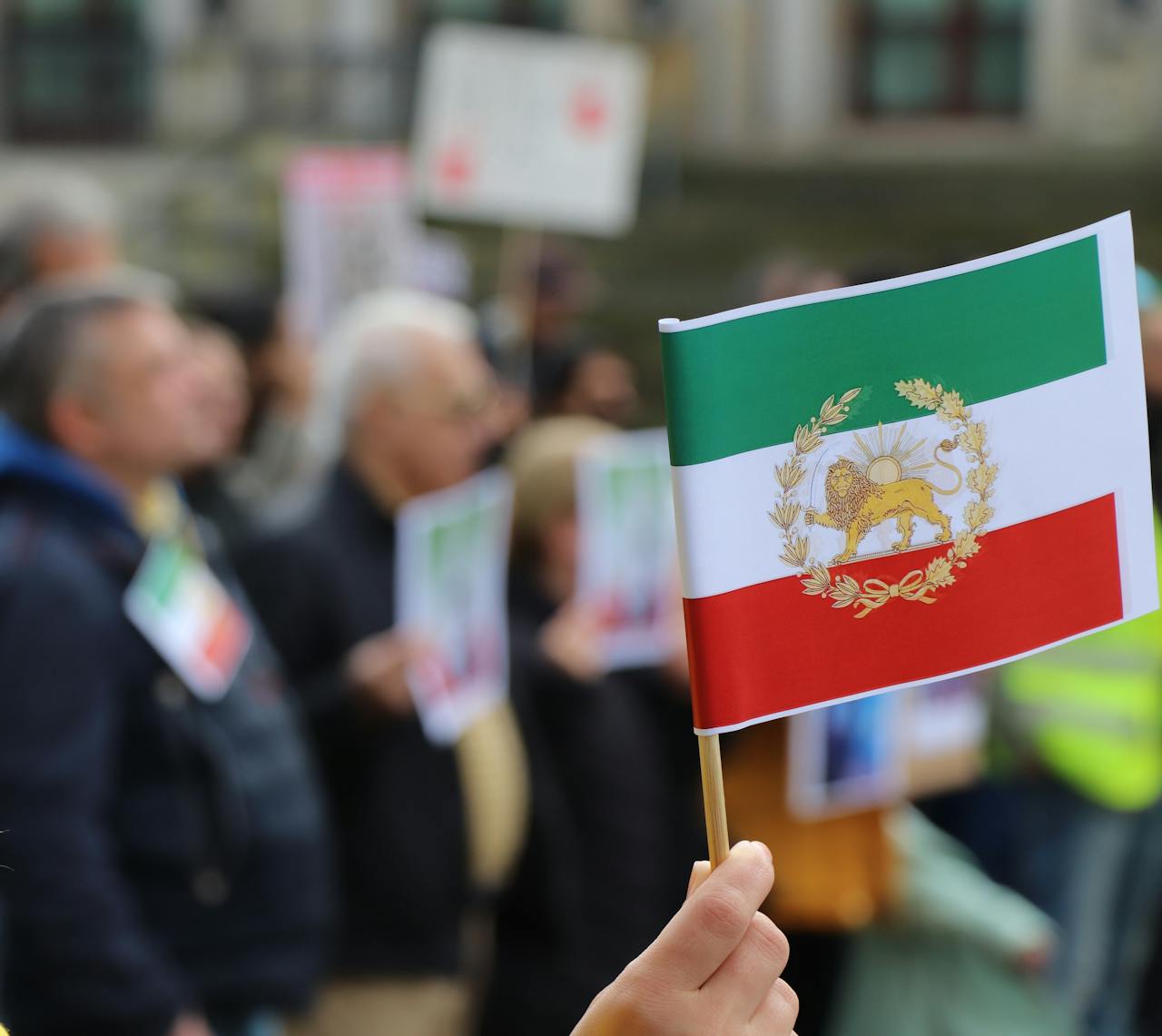
Uncertainty continues to cloud the future of the temporary ceasefire between the United States and Iran, as geopolitical tensions intensify following the U.S. seizure of an Iranian-flagged vessel. The two-week pause in hostilities is set to expire later this week, raising concerns in global markets—particularly in the energy sector—as investors closely monitor developments in the ongoing Iran conflict.
U.S. President Donald Trump announced that American envoys are expected to travel for a new round of peace negotiations with Iran in Pakistan. However, Iran has reportedly rejected participation, citing “excessive demands” and inconsistent positions from Washington. According to Iran’s state news agency IRNA, Tehran views the U.S. stance as unrealistic and contradictory, particularly in light of the continued naval blockade, which it considers a violation of the ceasefire agreement.
Tensions escalated further after the U.S. Navy intercepted and seized an Iranian cargo ship, the TOUSKA, in the Gulf of Oman. Trump stated that the vessel attempted to breach the blockade and was stopped after refusing to comply with warnings. The ship is now in U.S. custody due to alleged sanctions violations. Iranian officials condemned the move, arguing it undermines diplomatic efforts and breaches international law.
Iran has also expressed concerns that the U.S. may be preparing for a surprise military action, adding to the uncertainty surrounding future negotiations. Meanwhile, discussions between U.S. and Pakistani officials suggest that the blockade remains a major obstacle to restarting talks.
The situation has had a direct impact on global oil prices. After a sharp decline last week driven by hopes of a resolution and the reopening of the Strait of Hormuz, oil markets rebounded as tensions resurfaced. Iran has once again declared the strategic waterway closed, threatening global oil supply and trade routes.
Despite the escalating conflict, U.S. Energy Secretary Chris Wright remains optimistic, stating that negotiations are progressing behind the scenes. He described Trump as a “creative negotiator,” suggesting that pressure tactics are part of a broader strategy to reach a deal.
As the deadline for the ceasefire approaches, the geopolitical standoff between the U.S. and Iran continues to influence energy markets, global trade, and investor sentiment worldwide.







