


 Trump Scales Back Endangered Species Act Protections
  Kremlin Says No Grounds Yet for Ukraine Peace Talks
  Macron Challenges Trump’s Gaza Peace Claims at UN
  Trump Says ‘Freedom’ Is Coming to Cuba
  Taiwan Vows to Advance US Arms Sales Ahead of Trump-Xi Meeting
  Scott Bessent Eyed as Trump’s New AI Czar
  Marco Rubio to Meet Russia’s Lavrov in New York
  Russian Strikes Kill Eight Across Ukraine as Energy Sites Hit
  CNN, MS NOW and Politico Sue Trump Over White House Media Ban
  Trump to Press Xi on Release of US Nuclear Expert Held in China
  Trump Meets Venezuela’s Delcy Rodriguez at UN Assembly
  Burnham Eyes UK Leadership Role in AI Ahead of Trump Meeting
  Trump Administration Prepares Sanctions Against Entire ICC
  US Plans Two New Military Bases in Greenland Under Arctic Deal
  Paramount-Warner Bros $110 Billion Deal Draws Antitrust Backlash
  Trump Board of Peace Unveils $2.45 Billion Gaza Recovery Plan
  Canada Unveils Bill to Fast-Track Major Resource Projects


 Add as a preferred source on Google
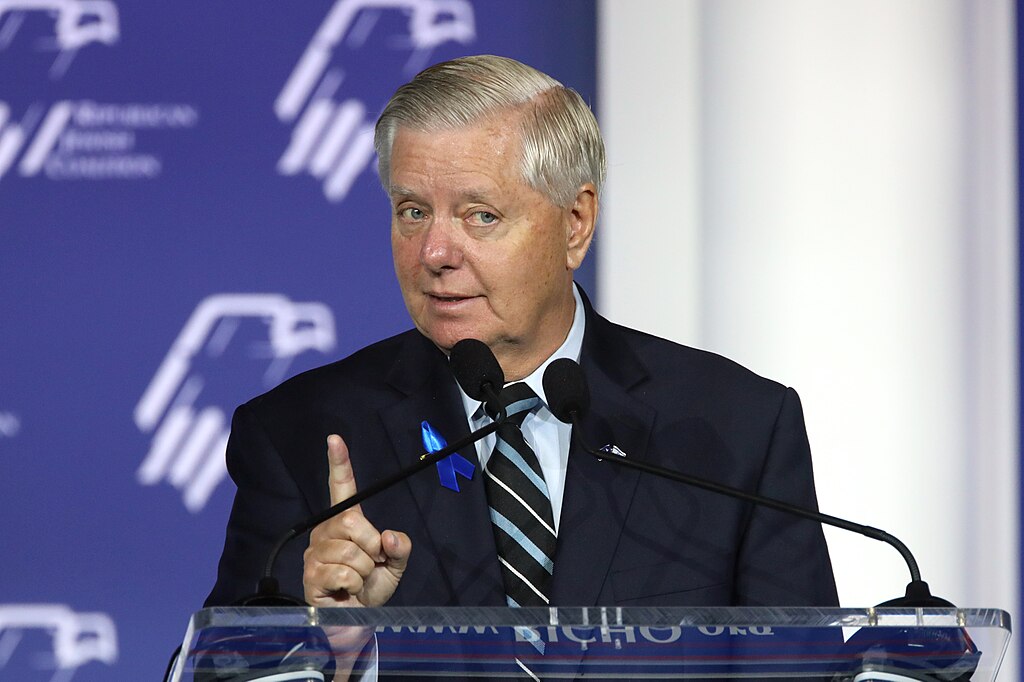
Republican Senator Lindsey Graham of South Carolina died on Saturday at the age of 71 following what his office described as a "brief and sudden illness," bringing to an end a congressional career that spanned more than three decades. His passing leaves a key vacancy in the U.S. Senate and could have significant implications for upcoming legislative priorities.
According to a statement from his office, Graham died shortly after returning to Washington from a visit to Kyiv, where he had met with Ukrainian officials. His family requested privacy as they mourn his loss. NBC News reported that emergency responders were dispatched to his Capitol Hill residence after receiving a cardiac arrest call.
President Donald Trump paid tribute to Graham on Truth Social, calling him "one of the greatest people and Senators I have ever known." Trump praised Graham as a dedicated public servant and a true American patriot, adding that additional details regarding memorial arrangements would be announced later.
Graham began his congressional career in 1994 when he was elected to the U.S. House of Representatives during the Republican wave. He won a South Carolina Senate seat in 2002 and took office in January 2003 after serving eight years in the House and previously in the South Carolina legislature.
Throughout his Senate career, Graham became one of the Republican Party's most influential voices on national security, foreign policy, and judicial matters. He chaired the Senate Judiciary Committee from 2019 to 2021 and most recently served as chairman of the Senate Budget Committee. Although he ran against Trump in the 2016 Republican presidential primary, the two later developed a close political alliance, with Graham becoming one of the president's strongest supporters in Congress.
At the time of his death, Graham was campaigning for a fifth Senate term after winning the Republican primary in June. He had also played a prominent role in bipartisan efforts to advance new sanctions on Russia. His unexpected death creates uncertainty over the Senate's balance of power and the future of key legislation, including budget negotiations, judicial confirmations, and foreign policy initiatives. Under South Carolina law, a special election is expected to fill the vacant Senate seat, although state officials have not yet announced a schedule.







