


 Morgan Stanley Launches Digital Asset Lab for Stablecoins and Tokenization
  UN Condemns Myanmar Airstrike That Kills 50 in Rakhine
  Goldman Sachs Private Credit Fund Sees Redemptions Ease in Q3
  UN Extends Haiti Security Force Mandate Ahead of Elections
  CNN, Politico and MS NOW Seek Court Order Blocking Trump White House Ban
  Denmark Expects Long-Term NATO Presence in Greenland, Arctic
  US Plans Iran Sanctions Waiver for Pilgrim Flights to Iraq
  US Sanctions Iran Weapons Procurement Network
  UK Police Probe Foreign State Link in RAF Fairford Plot
  TD Cowen Starts SpaceX at Buy, Sees AI Compute Driving Growth
  Bitwise Launches NEAR ETF as $562 Bull Case Fuels AI Crypto Buzz
  Apple CEO John Ternus Plans Major Overhaul
  Samsung Invests $1 Billion in KKR’s Helix AI Infrastructure
  California Bans Memecoins Issued by Public Officials Under New Law
  Robinhood Chain Meme Coins Slide as Stock Token Locks Rise
  Hengrui Shares Rise on $2.6 Billion Novo Nordisk Obesity Drug Deal
  Aztec Revives zk.money for Private Ethereum Payments


 Add as a preferred source on Google
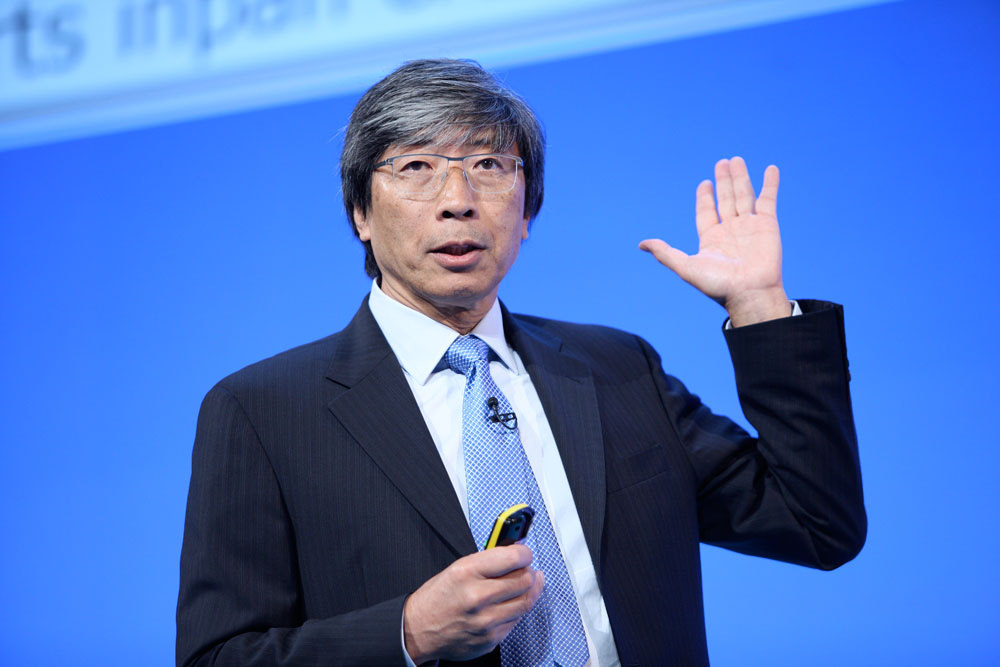
In a bold move aimed at reshaping the editorial landscape of one of the nation’s most prominent newspapers, Los Angeles Times owner Dr. Patrick Soon-Shiong has announced plans to bring more conservative voices into the publication’s editorial section. The announcement has sparked heated debate across media and political circles, with critics and supporters weighing in on what the decision means for the future of journalism.
Soon-Shiong, a billionaire biotech entrepreneur and philanthropist, revealed his intent during a recent interview, stating his desire to present a broader spectrum of political perspectives in the newspaper’s opinion section. The initiative comes amid ongoing scrutiny of perceived liberal bias in mainstream media outlets, including the LA Times.
A Push for Balance in a Divided Media Landscape
Soon-Shiong’s vision is reportedly centered on fostering a platform where conservative and progressive ideologies can coexist and engage in constructive dialogue. The Los Angeles Times, long seen as a bastion of liberal viewpoints, has faced criticism from conservative readers for what they claim is a lack of representation in its editorial pages.
By actively seeking conservative columnists and contributors, Soon-Shiong hopes to counter these criticisms and appeal to a wider audience. “The goal is to create a space where readers of all political leanings feel represented and challenged,” an unnamed source within the Times said.
Supporters Applaud, Critics Raise Concerns
While some media analysts have praised the move as a necessary step toward combating polarization in journalism, others remain skeptical of the motives and potential consequences. Supporters argue that diversifying viewpoints is essential for maintaining journalistic credibility and fostering informed public discourse.
“This is a smart and overdue decision,” said a media ethics expert. “Readers deserve to hear multiple perspectives, especially in an era where echo chambers dominate our information consumption.”
However, critics caution that the inclusion of conservative voices could alienate the newspaper’s core readership, which has traditionally leaned liberal. They also warn of potential challenges in vetting contributors to ensure the integrity of the paper’s editorial standards.
“There’s a fine line between promoting diverse perspectives and platforming misinformation,” one journalism professor noted.
Broader Implications for Journalism
Soon-Shiong’s announcement comes at a time when the media industry is grappling with declining trust and increasing calls for transparency and fairness. The decision to actively recruit conservative voices reflects a growing trend among major publications to reevaluate their editorial strategies in response to public criticism.
This shift could signal a broader transformation in how media outlets approach their role in a divided political climate. The New York Times and The Washington Post have similarly faced calls to expand ideological diversity in their opinion sections, though such efforts have often been met with resistance.
What’s Next for the LA Times?
The Los Angeles Times has yet to outline specific details regarding the recruitment process or timeline for implementing the changes. As the paper prepares to navigate this new chapter, industry insiders will be closely watching how the initiative unfolds and whether it achieves its intended impact.
With Soon-Shiong’s leadership, the LA Times aims to position itself as a pioneer in bridging ideological divides in journalism. Whether the strategy will resonate with readers or exacerbate existing tensions remains to be seen.







