


 Trump to Press Xi on Release of US Nuclear Expert Held in China
  CNN, MS NOW and Politico Sue Trump Over White House Media Ban
  Lula and Flavio Bolsonaro Tied in Brazil Runoff Poll
  Zelenskiy Meets CIA Chief John Ratcliffe at Ireland’s Shannon Airport
  Zelenskiy Warns Russia Preparing Major Attack on Ukraine
  Scott Bessent Eyed as Trump’s New AI Czar
  China Tightens Fentanyl Rules Ahead of Trump-Xi Summit
  Carney Condemns Belleville Synagogue Shooting That Wounded Police Officer
  Canada Unveils Bill to Fast-Track Major Resource Projects
  Kremlin Says No Grounds Yet for Ukraine Peace Talks
  Russian Strikes Kill Eight Across Ukraine as Energy Sites Hit
  Burnham Eyes UK Leadership Role in AI Ahead of Trump Meeting
  Trump Says U.S.-Iran Peace Deal Near After UN Talks
  Trump Says ‘Freedom’ Is Coming to Cuba
  Vietnam, US Trade Deal Could Be Signed Soon, To Lam Says
  Paramount-Warner Bros $110 Billion Deal Draws Antitrust Backlash
  Lula Meets Mamdani in New York as Elections Approach


 Add as a preferred source on Google
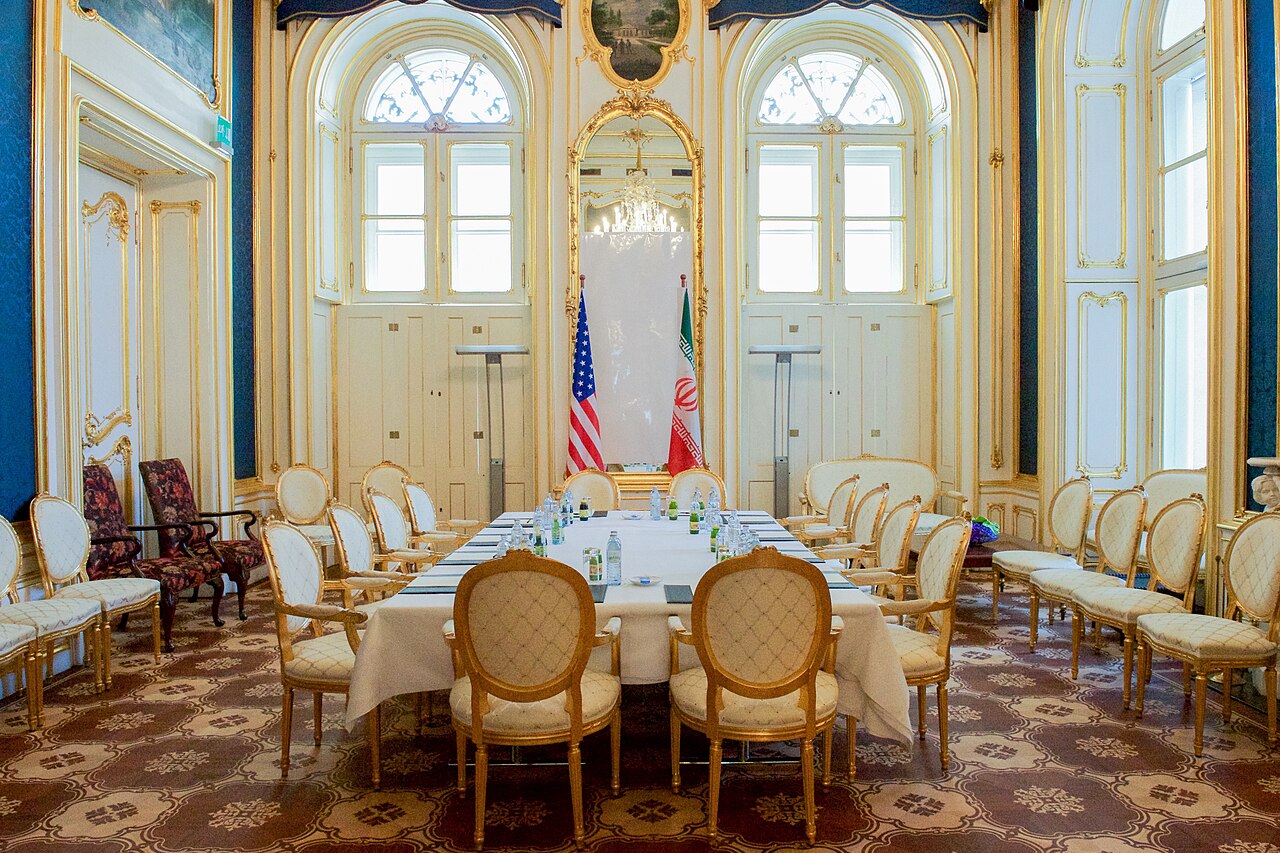
Regional powers are intensifying diplomatic efforts to prevent the collapse of a U.S.-Iran nuclear understanding after a sharp rise in military tensions, according to an Axios report published Thursday citing sources familiar with the negotiations.
Qatar, Pakistan and several other regional mediators have reportedly been in contact with officials from both Washington and Tehran in an effort to reduce tensions and restart negotiations on a broader nuclear agreement. The diplomatic push comes as concerns grow that recent military actions could derail months of progress toward a potential deal.
The renewed mediation follows President Donald Trump's declaration that the U.S.-Iran memorandum of understanding (MOU) and the ceasefire were "over," after he authorized two rounds of U.S. airstrikes. Despite the stronger military stance, the report said the Trump administration remains focused on preventing a wider regional conflict and ensuring the Strait of Hormuz remains open, given its importance to global energy markets.
Axios reported that officials from Qatar, Pakistan, Turkey, Egypt and Saudi Arabia conducted multiple phone calls with both U.S. and Iranian representatives on Wednesday. Their goal was to preserve diplomatic channels and keep the framework for future negotiations intact.
Regional mediators reportedly believe earlier rounds of talks had made meaningful progress toward resolving key disputes surrounding Iran's nuclear program. They are now working to prevent recent hostilities from undoing those gains.
A U.S. official cited by Axios said the Trump administration continues to pursue a diplomatic solution despite the heightened tensions. Technical-level discussions on a possible nuclear agreement are still ongoing, even as Washington accuses Iran of violating the terms of the MOU through recent attacks on commercial vessels.
The continued engagement highlights that both diplomacy and regional mediation remain central to efforts aimed at stabilizing U.S.-Iran relations and reducing the risk of broader conflict in the Middle East while keeping negotiations over Iran's nuclear program alive.







